


Venta Venta Venta Venta Venta Venta Venta Venta Venta Venta Venta Venta Venta Venta Venta
Paquete de preparación para el examen definitivo de Alabama Journeyman Plumber [IPC 2021]
Precio regular
$344.99
Precio de venta
$344.99
Precio regular
$400.00
Precio unitario
por
![Guía de estudio y preguntas del examen de electricista oficial 2023 [Libro]](http://1examprep.com/cdn/shop/files/ELECTRICIAN_PACKAGES_2026_-_STATE_THUMBNAILS-26-MASTER_Flash_Cards.jpg?v=1767326340&width=533)
Venta Venta Venta Venta Venta Venta Venta Venta Venta Venta Venta Venta Venta Venta Venta
Guía de estudio y preguntas del examen de electricista oficial 2023 [Libro]
Precio regular
De $99.95
Precio de venta
De $99.95
Precio regular
$125.00
Precio unitario
por
Venta Venta Venta Venta Venta Venta Venta Venta Venta Venta Venta Venta Venta Venta Venta
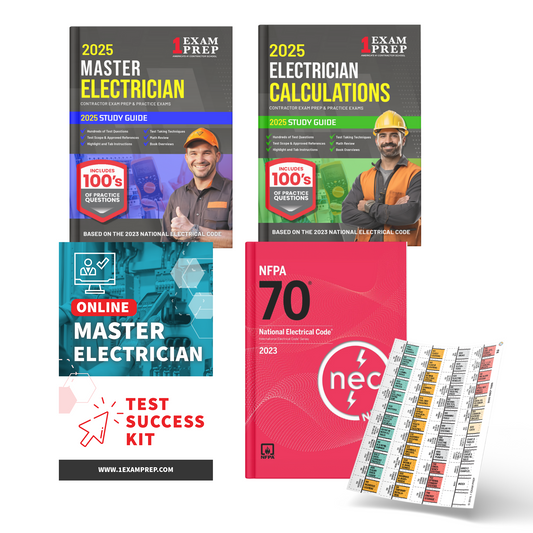
Paquete de inicio rápido para maestros electricistas 2023
Precio regular
$350.00
Precio de venta
$350.00
Precio regular
$390.00
Precio unitario
por

Venta Venta Venta Venta Venta Venta Venta Venta Venta Venta Venta Venta Venta Venta Venta
Repaso del curso en línea del Código Internacional de Plomería (IPC)®
Precio regular
$79.99
Precio de venta
$79.99
Precio regular
$129.99
Precio unitario
por

Venta Venta Venta Venta Venta Venta Venta Venta Venta Venta Venta Venta Venta Venta Venta
Guía de estudio para maestros electricistas de Montana 2020 y combinación de códigos eléctricos nacionales con pestañas
Precio regular
$240.00
Precio de venta
$240.00
Precio regular
$275.00
Precio unitario
por

Venta Venta Venta Venta Venta Venta Venta Venta Venta Venta Venta Venta Venta Venta Venta
Paquete de preparación para el examen de electricista oficial de Montana 2020
Precio regular
$240.00
Precio de venta
$240.00
Precio regular
$275.00
Precio unitario
por

Venta Venta Venta Venta Venta Venta Venta Venta Venta Venta Venta Venta Venta Venta Venta
PAQUETE DE PREPARACIÓN PARA EL EXAMEN DE ELECTRICISTA MAESTRO DE MONTANA 2020
Precio regular
De $240.00
Precio de venta
De $240.00
Precio regular
$275.00
Precio unitario
por

Venta Venta Venta Venta Venta Venta Venta Venta Venta Venta Venta Venta Venta Venta Venta
Contratista de construcción de edificios de Mississippi - Paquete de alquiler de libros
Precio regular
$1,595.00
Precio de venta
$1,595.00
Precio regular
$1,695.00
Precio unitario
por

Venta Venta Venta Venta Venta Venta Venta Venta Venta Venta Venta Venta Venta Venta Venta
Paquete definitivo de solicitud y presentación comercial del estado de Florida
Precio regular
$745.00
Precio de venta
$745.00
Precio regular
$1,000.00
Precio unitario
por

Venta Venta Venta Venta Venta Venta Venta Venta Venta Venta Venta Venta Venta Venta Venta
Registro de presentación de corporaciones extranjeras o LLC
Precio regular
$250.00
Precio de venta
$250.00
Precio regular
$350.00
Precio unitario
por

Venta Venta Venta Venta Venta Venta Venta Venta Venta Venta Venta Venta Venta Venta Venta
Procesamiento de solicitudes en Arkansas
Precio regular
$495.00
Precio de venta
$495.00
Precio regular
$695.00
Precio unitario
por

Venta Venta Venta Venta Venta Venta Venta Venta Venta Venta Venta Venta Venta Venta Venta
Montana 2023 Journeyman Electrician Exam Prep and Study Guide: 12 Practice Exams +2 Full Final Exams: Trusted by 50k Electricians
Precio regular
De $59.95
Precio de venta
De $59.95
Precio regular
$70.00
Precio unitario
por

Venta Venta Venta Venta Venta Venta Venta Venta Venta Venta Venta Venta Venta Venta Venta
Montana 2023 Master Electrician Exam Prep and Study Guide: 12 Practice Exams + 2 Full Final Exams: Trusted by 50k Electricians
Precio regular
De $59.95
Precio de venta
De $59.95
Precio regular
$70.00
Precio unitario
por

Venta Venta Venta Venta Venta Venta Venta Venta Venta Venta Venta Venta Venta Venta Venta
LA ÚLTIMA PREPARACIÓN PARA EXÁMENES PARA EL CONTRATISTA DE ESTRUCTURAS ESPECIALIZADAS EN LA FLORIDA
Precio regular
$1,819.00
Precio de venta
$1,819.00
Precio regular
$2,319.00
Precio unitario
por

Venta Venta Venta Venta Venta Venta Venta Venta Venta Venta Venta Venta Venta Venta Venta
LA ÚLTIMA PREPARACIÓN PARA EXÁMENES PARA EL CONTRATISTA DE ESTRUCTURAS ESPECIALIZADAS EN LA FLORIDA
Precio regular
$1,819.00
Precio de venta
$1,819.00
Precio regular
$2,319.00
Precio unitario
por

Venta Venta Venta Venta Venta Venta Venta Venta Venta Venta Venta Venta Venta Venta Venta
Montana Master Electrician Ultimate Exam Prep Rental
Precio regular
$1,119.00
Precio de venta
$1,119.00
Precio regular
$1,519.00
Precio unitario
por

Venta Venta Venta Venta Venta Venta Venta Venta Venta Venta Venta Venta Venta Venta Venta
Montana Journeyman Electrician Ultimate Exam Prep Rental
Precio regular
$1,119.00
Precio de venta
$1,119.00
Precio regular
$1,519.00
Precio unitario
por

Venta Venta Venta Venta Venta Venta Venta Venta Venta Venta Venta Venta Venta Venta Venta
Montana Residential Electrician Ultimate Exam Prep Rental
Precio regular
$1,119.00
Precio de venta
$1,119.00
Precio regular
$1,519.00
Precio unitario
por

Venta Venta Venta Venta Venta Venta Venta Venta Venta Venta Venta Venta Venta Venta Venta
Contratista de construcción de edificios de Mississippi - Paquete de alquiler de libros
Precio regular
$694.00
Precio de venta
$694.00
Precio regular
$994.00
Precio unitario
por

Venta Venta Venta Venta Venta Venta Venta Venta Venta Venta Venta Venta Venta Venta Venta
Contratista de construcción de edificios de Mississippi - Paquete de alquiler de libros
Precio regular
$694.00
Precio de venta
$694.00
Precio regular
$994.00
Precio unitario
por

Venta Venta Venta Venta Venta Venta Venta Venta Venta Venta Venta Venta Venta Venta Venta
Contratista de construcción de edificios de Mississippi - Paquete de alquiler de libros
Precio regular
$694.00
Precio de venta
$694.00
Precio regular
$994.00
Precio unitario
por
Venta Venta Venta Venta Venta Venta Venta Venta Venta Venta Venta Venta Venta Venta Venta
Examen de derecho y negocios HBLB de Alabama Prov: preguntas de práctica en línea (para constructores de viviendas)
Precio regular
$295.00
Precio de venta
$295.00
Precio regular
$395.00
Precio unitario
por
Venta Venta Venta Venta Venta Venta Venta Venta Venta Venta Venta Venta Venta Venta Venta
Examen de derecho y negocios HBLB de Alabama Prov: preguntas de práctica en línea (para constructores de viviendas)
Precio regular
$295.00
Precio de venta
$295.00
Precio regular
$395.00
Precio unitario
por

Venta Venta Venta Venta Venta Venta Venta Venta Venta Venta Venta Venta Venta Venta Venta
Contratista de construcción de edificios de Mississippi - Paquete de alquiler de libros
Precio regular
$399.00
Precio de venta
$399.00
Precio regular
$599.00
Precio unitario
por
Montana Contractor, Electrician, Plumbing, And Construction Exam Prep Guide
The Montana construction industry continues growing as residential, commercial, industrial, agricultural, and infrastructure projects expand across the state. Contractors, electricians, plumbers, HVAC professionals, and skilled trades workers play an important role in building, maintaining, repairing, and upgrading the systems that support homes, businesses, schools, healthcare facilities, industrial operations, and public infrastructure. Because these systems directly affect public safety, structural integrity, sanitation, energy distribution, and long term building performance, Montana licensing and certification standards remain important throughout the construction industry.
The Montana exam prep programs from 1 Exam Prep provide organized study systems designed to help contractors and skilled trades professionals prepare for licensing examinations and technical certification tests. These preparation systems may include study guides, NEC combinations, plumbing code review systems, online courses, flash cards, tabbed code books, calculations systems, and complete exam prep packages. Structured preparation helps students improve confidence while becoming more comfortable with technical references, code navigation, and testing procedures.
Many construction professionals discover that years of field experience alone may not fully prepare them for licensing exams. Contractor, electrician, plumbing, and HVAC examinations often require strong code navigation skills, technical calculations, safety knowledge, business understanding, and time management under testing conditions. Proper preparation helps professionals organize technical information while reducing stress before exam day.
Why Licensing And Certification Matter In Montana
Montana licensing and certification requirements help verify that contractors and skilled trades professionals understand the responsibilities associated with safe construction practices, technical installations, code compliance, and project management procedures. Licensed professionals are expected to understand safety standards, calculations, technical systems, installation procedures, and business responsibilities related to their trade.
Licensing may also improve professional credibility with contractors, developers, project managers, homeowners, commercial property owners, industrial facilities, agricultural operations, and government agencies. Many larger construction projects require licensed professionals with verified technical qualifications and industry experience.
As construction technology and building systems continue advancing throughout Montana, licensed electricians, plumbers, contractors, HVAC professionals, and construction specialists remain essential across residential, commercial, industrial, agricultural, and infrastructure sectors.
Electrician Exam Prep And NEC Navigation
Montana electrician licensing preparation often includes NEC navigation, grounding systems, conductor sizing, electrical calculations, transformer systems, voltage drop calculations, overcurrent protection, motor systems, electrical theory, and electrical safety standards.
Many electrician licensing exams are open book, but open book testing still requires strong organization and preparation. Electricians must know how to locate information quickly because time management becomes extremely important during testing. Students who spend too much time searching through the National Electrical Code may struggle to complete all exam questions comfortably.
Electricians preparing for licensing exams often benefit from structured study systems that include NEC references, calculations practice, tabbed code books, flash cards, and organized practice exams. Repeated NEC navigation practice often improves both testing speed and confidence.
Plumbing Exam Prep And Plumbing Code Review
Montana plumbing licensing preparation may include plumbing code navigation, drainage systems, venting systems, water supply systems, fixture requirements, pipe sizing, plumbing calculations, sanitary systems, backflow prevention, and plumbing safety standards.
Many plumbing licensing exams require familiarity with International Plumbing Code references and open book testing procedures. Plumbers preparing for licensing exams should spend time reviewing code indexes, chapter layouts, venting systems, drainage tables, and fixture references regularly throughout preparation.
Structured plumbing study systems help students organize technical information while improving plumbing code navigation speed and overall testing confidence. Many plumbing professionals appreciate organized preparation because it simplifies the learning process while balancing active projects and service schedules.
Contractor And Construction Licensing Exam Prep
Montana contractor licensing preparation may include business law, contracts, estimating, bidding procedures, project management, scheduling, construction safety standards, permits, licensing regulations, and technical construction references. Contractors are responsible not only for construction work but also for supervising projects, coordinating schedules, managing teams, and operating professional businesses.
Many contractor licensing exams also include code review systems, construction standards, safety procedures, and technical terminology. Contractors preparing for exams often benefit from repeated exposure to technical references and organized study systems.
Flexible preparation systems and online learning allow contractors to balance active projects while remaining consistent with exam preparation schedules.
HVAC And Mechanical Exam Prep
Montana HVAC and mechanical licensing preparation may include refrigeration systems, ventilation systems, duct systems, heating systems, load calculations, airflow systems, refrigeration theory, electrical controls, safety procedures, and mechanical code references.
HVAC professionals often work with residential heating systems, commercial refrigeration equipment, ventilation systems, rooftop units, chillers, boilers, compressors, and mechanical controls. Licensing exams may test both technical system knowledge and business management responsibilities.
Structured HVAC preparation systems help contractors simplify difficult mechanical concepts while improving confidence with technical references and testing procedures.
Why Open Book Testing Still Requires Preparation
Many Montana licensing exams are open book, but open book testing does not eliminate the need for preparation. Students must still know how to locate information quickly because exam time limits remain important. Professionals who spend too much time searching through code books and technical references may struggle to complete all questions efficiently.
NEC tabs, IPC tabs, flash cards, calculations systems, and organized study guides all help simplify preparation while improving technical reference navigation. Many students discover that organized preparation improves both speed and confidence during testing.
Repeated practice with code references, calculations, and technical systems often helps professionals feel calmer and more prepared before exam day.
Technical Calculations And Safety Standards
Technical calculations remain one of the most challenging parts of many licensing exams. Electricians may encounter conductor sizing, service calculations, transformer calculations, and voltage drop calculations. Plumbers may review pipe sizing, drainage calculations, and venting systems. HVAC professionals may encounter refrigeration calculations, load sizing, and airflow systems.
Repeated practice with technical calculations helps professionals improve both accuracy and speed under testing conditions. Many students discover that consistent calculations review reduces testing stress significantly.
Safety standards also remain important throughout construction licensing exams because contractors and skilled trades professionals are responsible for protecting workers, property, building occupants, and public safety.
Career Opportunities For Licensed Montana Construction Professionals
Licensed Montana electricians, plumbers, contractors, HVAC professionals, and construction specialists may qualify for residential construction projects, commercial systems, industrial facilities, agricultural operations, infrastructure projects, maintenance contracts, service work, and advanced construction opportunities throughout the state.
Professionals holding licensing credentials often improve their credibility with employers, developers, industrial facilities, agricultural operations, homeowners, commercial property owners, and government agencies. Licensing may also help professionals qualify for larger projects and expanded leadership opportunities.
As technology and construction systems continue advancing across residential, commercial, agricultural, and industrial sectors, experienced licensed professionals remain essential throughout Montana’s construction industry.
Benefits Of Organized Study Systems
Many professionals preparing for Montana licensing exams balance demanding work schedules, active projects, overtime hours, and personal responsibilities. Organized study systems help simplify preparation by breaking technical material into manageable sections.
Study guides, practice exams, code combinations, flash cards, calculations systems, online courses, and tabbed code books all support professionals preparing for open book testing and technical calculations. Consistent study often helps students improve both confidence and long term retention gradually over time.
Many experienced construction professionals still prepare carefully for licensing exams because testing procedures may include advanced calculations, code interpretation, technical references, and strict time management requirements.
FAQ About Montana Exam Prep Programs
Q. What types of Montana exam prep programs are available?
A. Programs may include electrician exam prep, plumbing study systems, HVAC licensing preparation, contractor licensing prep, NEC combinations, and construction exam prep.
Q. Why is NEC navigation important during electrician licensing exams?
A. Strong NEC navigation skills help electricians locate code references quickly during open book testing.
Q. Why are plumbing code references important during plumbing exams?
A. Plumbing code references help plumbers understand drainage systems, venting systems, pipe sizing, and installation requirements.
Q. Why do experienced professionals still prepare for licensing exams?
A. Licensing exams test more than field experience alone. Students must also understand calculations, code references, and testing procedures.
Q. Are Montana licensing exams open book?
A. Many licensing exams are open book, but students still need strong code navigation skills to complete exams efficiently.
Q. What topics may appear on contractor licensing exams?
A. Topics may include contracts, estimating, project management, business law, scheduling, and construction safety standards.
Q. Why are technical calculations important during preparation?
A. Calculations are heavily tested and may include electrical calculations, pipe sizing, refrigeration calculations, and system sizing procedures.
Q. How long should I study before taking a licensing exam?
A. Study time varies depending on experience and schedule, but many professionals prepare for several weeks or months before testing.
Q. Can licensing improve career opportunities?
A. Yes. Licensing may help professionals qualify for larger projects, leadership positions, and long term career advancement opportunities.
Q. Where can I find Montana exam prep materials?
A. You can find study resources here: Montana Exam Prep Programs.
Conclusion
Montana licensing and certification exams are important steps for electricians, plumbers, contractors, HVAC professionals, and construction specialists seeking advancement within the skilled trades and construction industries. Whether preparing for NEC navigation, plumbing code review, HVAC calculations, contractor licensing, or technical reference testing, structured preparation can improve confidence and reduce stress significantly before exam day.
1 Exam Prep offers organized preparation systems designed for professionals at different experience levels and career stages. Study guides, NEC combinations, plumbing code systems, online courses, flash cards, tabbed code books, calculations systems, and complete preparation packages help students improve organization while becoming more comfortable with testing procedures.
Consistent preparation remains one of the most important factors for licensing success. Professionals who study regularly, practice code navigation, review calculations, and use organized preparation systems often feel more prepared before exam day. Licensing and certification can help construction professionals improve credibility, qualify for larger projects, and create long term career growth opportunities throughout Montana’s construction industry.
Key Takeaways
- Montana exam prep programs support electricians, plumbers, contractors, HVAC professionals, and construction specialists.
- NEC navigation and plumbing code references are important parts of licensing exams.
- Technical calculations remain heavily tested during many construction licensing examinations.
- Open book exams still require strong organization and code navigation skills.
- Licensing can help professionals qualify for larger projects and long term career advancement opportunities.
- Al elegir una selección, se actualiza la página completa.
- Se abre en una nueva ventana.