


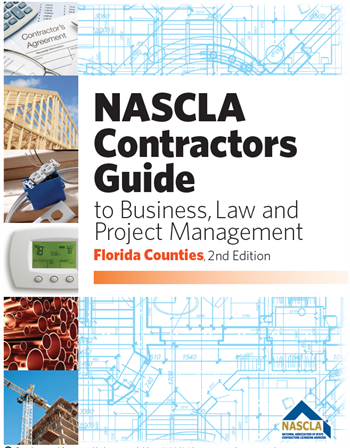
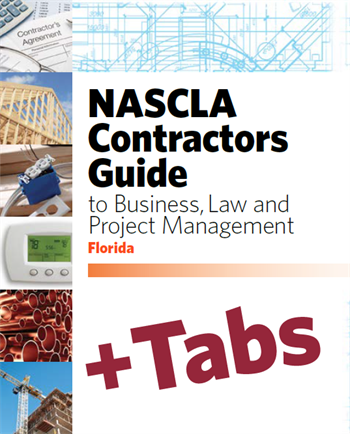


PROV Business and Law Course for Florida County Contractors
Business decisions can be just as important as trade skills. A contractor can install a perfect system and still run into trouble with the contract, the permit, or an unpaid invoice. This guide explains how to prepare for PROV Business and Law Course for Florida County Contractors without mixing up exam preparation, the license itself, and the work you may legally perform. We will cover contractor business law, project administration, Florida county licensing, reference-book habits, study planning, and the steps to confirm before you spend money. A clear plan is better than randomly flipping through a pile of books and hoping the test questions jump off the page. The best preparation turns job experience into accurate answers, then checks those answers against the current official requirements.
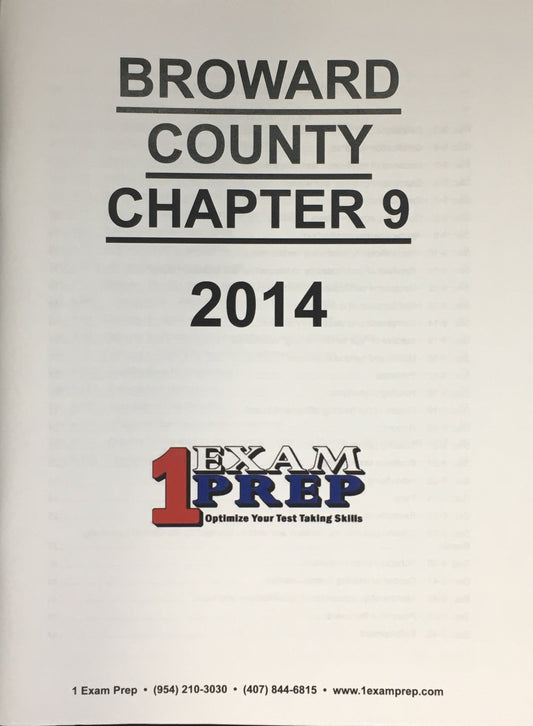
Start with the PROV Business and Law Course for Florida County Contractors collection at 1 Exam Prep. The store helps you compare training materials, while the responsible licensing authority controls eligibility, accepted examinations, and the rules for licensed work. A course purchase does not register you for a government examination or issue a professional license. Check every exam edition and product inclusion before ordering, especially if you have an exam appointment coming soon.
Browse the PROV Business and Law Course for Florida County Contractors collection and compare materials with the latest information from Florida DBPR Construction Industry Licensing Board.
Understand the preparation path
The important starting point for PROV Business and Law Course for Florida County Contractors is knowing which authority issues the credential, which organization administers the test, and which trade or business subjects appear on the current outline. This guide focuses on contractor business law, project administration, Florida county licensing, but the exact examination may be narrower than the full range of work in the trade.
Ask yourself three questions: What work do I want to perform? What license permits that work? Which approved examination, if any, must I pass? Write the answers down before buying materials. A course name, shop collection, or exam code is a helpful clue, but it is not the same thing as an official license classification.
Before you begin: important scope and exam notes
The PROV course is marketed for Florida county contractor exams. Confirm the exact county, trade category, current exam sponsor, and acceptance before registering.
PROV is a testing provider, not a statewide contractor license.
Florida local specialty licensing underwent changes effective July 1, 2025, so verify whether your county still administers the classification.
What this guide covers
Preparing for PROV Business and Law Course for Florida County Contractors works best when the subjects are learned in a practical order. Start with the authority and permitted work scope, move into technical or management topics, and finish by practicing under realistic testing conditions. Each section below gives you a concept to understand and one small activity you can do without turning studying into an all-night paperwork festival.
- Determine the county license and exam
- Understand Florida contractor authority
- Review business organization and ownership
- Read construction contracts carefully
- Practice bidding and estimating
- Learn lien and notice concepts
Determine the county license and exam
County contractor requirements can differ by jurisdiction and scope. A business and law course may prepare a separate test from the trade exam, so identify both parts on the county notice.
Collect the county application, the test title, and the current reference list before selecting a course. On a real job, the answer may depend on location, materials, equipment ratings, and who is licensed to do the work. A written question removes many of those details. Use only the conditions it actually supplies, and identify which missing details would change your decision.
Understand Florida contractor authority
State certification, state registration, and certain local licenses are different pathways. A county test result is not automatic statewide authority to accept contracts.
List the county in which you intend to work and confirm whether your intended trade is licensed at that level. Do not aim to memorize one perfect example. Try another set of conditions and ask whether the same rule still applies. If the result changes, explain what caused that change. That explanation is the skill you want to carry into the testing room.
Review business organization and ownership
Sole proprietorships, partnerships, and corporations distribute control and liability differently. Licensing applications can ask about the responsible qualifier and the business entity.
Draw the company structure, identify its qualifier, and mark which filing belongs to the person or company. A good reference habit is to label the topic, choose the correct book, find the table or section, and check every note attached to it. Many wrong answers come from skipping an exception or using a table for the wrong service condition.
Read construction contracts carefully
Contract language describes scope, schedule, payments, changes, and remedies. A vague promise is easier to make than to enforce after work begins.
Underline terms covering change orders, payment dates, substantial completion, and dispute handling in a sample agreement. Field experience helps you picture the problem, but a test often asks for the published rule rather than your employer's usual practice. When those differ, mark the governing source in your notes and review the difference before moving on.
Practice bidding and estimating
A bid combines quantities, labor, materials, equipment, overhead, and profit. Missing one category can turn a busy project into a costly surprise.
Calculate a sample estimate and then repeat it with changed labor productivity and material prices. It helps to divide this subject into what you can inspect, what you must calculate, and what someone else must approve. Keeping those duties separate prevents an exam question about documentation from turning into an unsupported technical guess.
Learn lien and notice concepts
Florida construction lien requirements involve notices, deadlines, and properly documented work. The exact duty depends on the project and the claimant role.
Build a timeline of the documents associated with a hypothetical construction payment dispute. Small details matter. A different equipment capacity, a change in building use, or a missing inspection can change the result. During practice, circle those details and name their effect before looking at answer choices.
Keep good accounting records
Cash flow, payroll, receivables, payables, and job-cost records affect whether a company can finish its promises. Accounting questions often test the meaning of common terms.
Explain the difference between profit and cash on hand using a small contractor invoice example. Build a personal lookup note with the correct chapter, a short example, and a common mistake. Keep it short enough to reread in a minute. The goal is to remember how to solve the problem, not to copy a book that you already own.
Understand insurance and risk
General liability, workers compensation, and other coverage can relate to licensing and contract obligations. Policies differ in what they actually insure.
Match example job risks with the policy or contractual safeguard that may respond. Many candidates lose points because they rush past units or qualifying words. Write down the units, job scope, and code condition before answering. That quick habit can be more useful than doing twice as many careless questions.
Study labor and hiring rules
A growing crew brings responsibilities for wages, classifications, employee records, training, and workplace safety. Contractors cannot treat employment obligations as optional paperwork.
Make a checklist for onboarding one worker and maintaining legally required records. When the rule feels confusing, make a simple sketch. Label what enters the system, what leaves it, where the control or inspection happens, and who is responsible. A diagram often exposes an assumption that words hide.
Prepare for OSHA questions
Hazard communication, fall protection, electrical exposure, and incident reporting can appear in contractor management study. Safety is part of managing a job, not a separate hobby.
Turn a simple site hazard into an action plan describing prevention and supervision. Treat this topic as part of a sequence, not a stand-alone fact. Ask what must happen before the work, what must happen during it, and what record or inspection is needed afterward. This makes practical questions easier to organize.
Manage subcontractors and schedules
Subcontracts should describe responsibility, insurance, materials, inspections, and coordination. Schedule delays become more serious when several trades share the same space.
Write a mock subcontract scope and note three items that require coordination before work begins. An exam question may include extra background to distract you. Identify the main decision first, then confirm the exact condition required by the rule. Searching the wrong section for several minutes is often worse than rereading the question once.
Learn permits and inspections
Permit responsibilities and inspection approvals affect schedules, payments, and safe occupancy. County administration should be verified locally.
Map who applies for a permit, who schedules inspection, and what records close a sample job. Track mistakes by cause: wrong reference, wrong formula, misread drawing, missing safety step, or mistaken license scope. Different causes need different fixes. Rereading the answer alone rarely fixes the habit behind a repeated mistake.
Build a reliable open-book routine
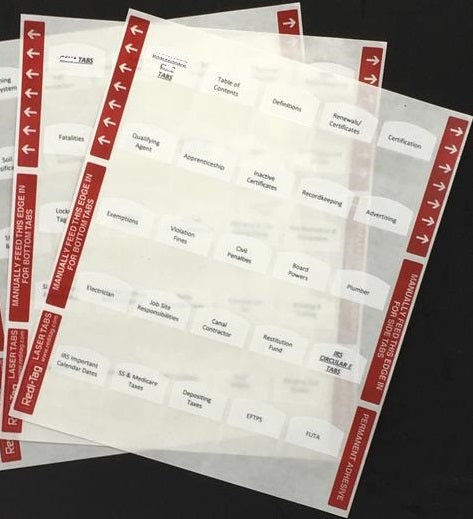
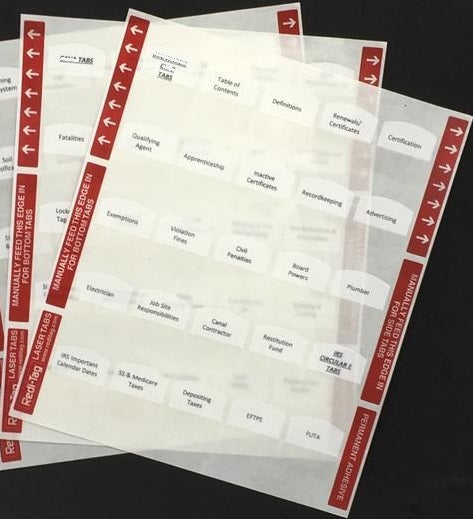
The actual exam notice controls which references and markings are allowed. A prepared tab system is useful only when it follows those rules.
Practice locating contract and finance topics under timed conditions, using only approved reference materials. A short review at the end of the week is valuable. Explain the subject out loud, solve one example from memory, and then confirm the method in the reference. You will quickly discover what is clear and what still needs practice.
Check eligibility before planning an exam
The PROV course is marketed for Florida county contractor exams. Confirm the exact county, trade category, current exam sponsor, and acceptance before registering.
Write down your exact target credential for PROV Business and Law Course for Florida County Contractors, then locate the current application, experience requirements, examination approval process, and testing provider. These details may change across jurisdictions or classifications. Do not rely on a coworker's old test appointment, and do not assume your course enrollment is also your license application. File the official documents separately from your study notes so deadlines do not get lost among practice questions.
Use current references, not just familiar books
Exam references can include technical codes, administrative rules, and business or safety manuals relevant to contractor business law, project administration, Florida county licensing. A strong study book is useful only when its edition matches the exam being taken. Some tests are open book and some restrict what candidates may bring. The latest candidate bulletin, not a product photo, determines the allowed materials.
Before purchase, compare the exact book title, year, supplement or amendment, and tab rules with your testing instructions. If the listing includes rentals, verify the return window, deposits, shipping time, and course-access dates. It is better to spend ten minutes checking a reference than ten weeks studying from the wrong one.
Build a realistic four-week study plan
For week one, create a map of the exam and review the fundamentals of contractor business law, project administration, Florida county licensing. Week two should emphasize topics you find difficult, with practical drawings, example problems, and reference navigation. During week three, mix subjects together so you cannot predict the next question. Use week four for timed practice and review.
The schedule is a starting point, not a magic rule. If you work full time, use short daily sessions with one measurable goal. Write down what you studied, what you missed, and what you will fix next. A consistent thirty-minute session can do more than a long session spent rereading paragraphs without understanding them.
Create a useful error log
After every practice quiz, record more than the score. Note the topic, the question type, why your first answer failed, and where the correct requirement appears. Sort mistakes into understanding, code lookup, calculation, time pressure, and misreading. That classification tells you what to practice next.
For example, repeatedly choosing the wrong table requires a reference-navigation drill, while using the correct table but the wrong units requires calculation practice. Review the log before each study session. The goal is to avoid making the same mistake again, not to collect an impressive list of wrong answers.
Turn workplace experience into exam reasoning
Experience with contractor business law, project administration, Florida county licensing gives you real examples, but a multiple-choice question only gives the information written in front of you. Do not add jobsite assumptions the question does not supply. Identify the system, responsibility, location, and action being tested first, then select the applicable rule or calculation.
If an answer depends on approval, permits, or a licensed specialty, distinguish that requirement from the physical installation question. Use short scenarios to practice this distinction. It helps both seasoned workers and newer applicants reason carefully instead of trusting the first familiar-sounding choice.
Understand what a prep package does and does not include
An online course may include practice questions, lessons, and study techniques. A book package may include owned references, rentals, highlighting, or tabs. Do not assume all of those features are included in every product. Compare the live description and read the store terms before ordering.
The PROV Business and Law Course for Florida County Contractors collection is a shopping resource, not an official license application or testing portal. A prep purchase does not promise a passing score or authorize contracting work. Choose the smallest package that covers your actual approved books and learning needs, then invest your remaining time in practice.
Check test-day policies
Testing providers control identification, arrival times, calculators, reference materials, permitted annotations, breaks, retesting, and accommodations. Rules can change even when the exam title looks familiar. Confirm them using the current appointment notice and candidate bulletin.
Prepare your identification and appointment details before the test date. If the exam is open book, practice with the allowed books and acceptable tabs. If it is closed book, finish with recall drills. Give yourself a plan for moving past one unusually difficult question instead of letting it consume the rest of your time.
Know what happens after the result
Passing an exam can be only one step in receiving authorization to perform regulated work. License issuance may require completed applications, approved experience, fees, insurance, a business qualifier, or other documents. The exact process depends on the credential and jurisdiction.
Keep your result notice and follow the instructions from Florida DBPR Construction Industry Licensing Board. Do not advertise a license before the authority issues the applicable credential. After approval, note renewal dates, approved continuing education, and any business obligations. A small recordkeeping habit helps protect the work you put into exam preparation.
Recommended study and official resources
Use the links below to compare preparation materials and current licensing instructions. The government authority decides eligibility; the store sells preparation resources.
Practical action checklist
- Confirm the exact license classification and issuing authority.
- Read the current candidate bulletin and eligibility requirements.
- Match every code or reference edition to your testing date.
- Choose course and book materials that fit your actual needs.
- Practice technical subjects, calculations, and reference navigation.
- Complete timed quizzes and keep an error log.
- Verify test-day identification, materials, and scheduling rules.
- Finish official licensing requirements after the examination.
Frequently Asked Questions
Conclusion
The path through PROV Business and Law Course for Florida County Contractors starts with the right question: what license or competency are you seeking, and what work will it authorize? Business decisions can be just as important as trade skills. A contractor can install a perfect system and still run into trouble with the contract, the permit, or an unpaid invoice. Preparation has two parts. One is learning the technical and business material. The other is confirming the administrative path so your practice time supports the actual examination. Both matter. A person who knows every formula but registered for the wrong test still has a serious problem. Use the exact credential name, the issuing authority, and the current exam bulletin as your starting documents.
Begin with the official rules. The PROV course is marketed for Florida county contractor exams. Confirm the exact county, trade category, current exam sponsor, and acceptance before registering. Experience requirements, examination approvals, business registrations, and fees belong on their own checklist. This separation matters because exam vendors provide testing services while public agencies decide what counts toward licensing. Do not assume that a similar-sounding job title creates the same permission everywhere.
Next, build technical confidence around determine the county license and exam, review business organization and ownership, and learn lien and notice concepts. The goal is not just to recognize those phrases. Explain why the requirement exists, how it applies to a project, and which changed fact could make a different answer correct. When reviewing understand insurance and risk and manage subcontractors and schedules, compare a straightforward example with one that contains an extra limitation or unusual condition. That habit prepares you for scenario questions that use familiar subjects in unfamiliar wording.
Work with the reference books as tools, not decorations. Learn their chapter layouts, indexes, charts, footnotes, and definitions. If you have an open-book exam, search for answers under a clock while obeying the current book rules. If your test does not permit books, use the references during learning and switch to memory practice closer to the appointment. Record the source behind every corrected mistake. That creates reliable knowledge and stops random guessing from feeling like real progress.
A practical study schedule should fit the life you actually have. Split a larger subject into small daily tasks and protect a little time for mixed review. Keep an error log that names why an answer went wrong: perhaps a missed word, wrong code edition, incorrect unit, misunderstood scope, or slow lookup. Put more effort into the pattern of errors that keeps repeating. A few focused improvements each week can add up faster than one exhausting last-minute marathon.
Finally, remember that passing a test does not automatically make you licensed. Follow the requirements of Florida DBPR Construction Industry Licensing Board for applications, authorizations, and renewals. Check what your prep purchase actually includes, keep copies of your examination and experience records, and wait for the proper credential before describing yourself as licensed. The most useful next step today is small: verify the current requirements, choose matching materials, and begin a single study drill.
Key Takeaways
- Verify the exact credential and current rules through Florida DBPR Construction Industry Licensing Board.
- Study review business organization and ownership, learn lien and notice concepts, and study labor and hiring rules alongside the other exam subjects.
- Match code editions, testing format, and approved reference materials before buying.
- Use short, steady sessions, timed practice, and a written error log.
- Complete the full licensing process; preparation courses and exam scores do not automatically issue licenses.
Plain-Language Summary
Here is the simple version of this PROV Business and Law Course for Florida County Contractors guide. The collection focuses on Florida county-level contractor business and law exam preparation; a course is not itself a license. It can help you find study materials, but the store does not decide who receives a license. The relevant authority is Florida DBPR Construction Industry Licensing Board. Before buying anything, write down the exact credential you need, the test name, the current approved references, and the date you hope to test.
Check the rules first. The PROV course is marketed for Florida county contractor exams. Confirm the exact county, trade category, current exam sponsor, and acceptance before registering. Some pathways require experience records or vocational training. Others require an application, permission to schedule, a business qualifier, or separate testing. Make a folder for your documents and keep the official instructions handy. The word “journeyman,” “contractor,” or “master” can describe a different scope in another jurisdiction, so always read the actual classification.
To study, begin with the basics. Work on determine the county license and exam, understand florida contractor authority, and read construction contracts carefully. Read the relevant book section, explain the idea aloud, and draw a small diagram when that helps. Then move to keep good accounting records and prepare for osha questions. Do not rush through ten topics just to say you covered them. One carefully explained example can teach more than twenty answers you guessed. As you learn, write down important conditions, definitions, calculation steps, and the location of useful tables.
If the exam is open book, you still need to know your material. Finding a rule quickly is different from reading an entire chapter for the first time while a clock is running. Use the exact references allowed by the current test notice. Practice with the approved tabs and markings, and learn which book addresses each subject. If the exam is closed book, practice without notes toward the end of your preparation. In either case, record wrong answers, check their sources, and repeat similar problems until the reason is clear.
Give yourself a realistic study calendar. Try short sessions during the week, then do a timed mixed-topic quiz when you have more time. Afterward, sort mistakes into calculation errors, missed details, incorrect rules, and slow reference searches. Work on the biggest problem first. This keeps studying from turning into an endless pile of highlighted pages.
After the test, finish the licensing steps required by Florida DBPR Construction Industry Licensing Board. Passing may not be the last requirement. Keep proof of your exam result, pay any required fees, and wait for the appropriate credential before taking on regulated work. Pay attention to renewal dates and approved continuing education later. For now, the best action is clear: verify the exam, match your books, practice the hardest subjects, and keep improving a little at a time. That steady approach is the main lesson of the guide.