Wyoming Contractor Exam Prep Guide for Electrical, Building, Plumbing, Mechanical, and Gas Trades

Wyoming offers strong career opportunities for skilled workers who can build, repair, install, and maintain the systems that keep homes and businesses running. Contractors and tradespeople are needed for residential construction, commercial projects, energy facilities, schools, hospitals, ranch properties, industrial sites, and public improvements. However, earning the right license or registration can involve several steps. Depending on the trade and location, a candidate may need experience, classroom education, an examination, insurance, business registration, local approval, or a combination of these items.

This guide covers five important career paths found in the Wyoming contractor exam prep collection: Wyoming electrician, Wyoming general contractor, Wyoming plumber, Wyoming mechanical contractor, and Wyoming gas pipe fitter. Each trade has its own work scope, reference books, calculations, exam subjects, and licensing concerns. Some credentials are managed at the state level, while other contractor requirements may be handled by a city, county, or local building department. Candidates should always confirm current rules with the authority that controls the license where they plan to work.

Exam preparation is more than reading a book from beginning to end. A successful candidate must learn how the reference books are organized, recognize the subject being tested, complete calculations, manage time, and answer questions without being distracted by extra details. The best study plans include regular review, timed practice exams, careful correction of missed questions, and repeated book-navigation drills. Product titles may refer to a particular code edition or publication year, but the examination bulletin and licensing authority remain the final sources for approved references.

Wyoming Electrician Exam Prep and Licensing

Understanding the Wyoming Electrician Path

A Wyoming electrician works with wiring, raceways, panels, services, feeders, branch circuits, lighting, motors, grounding systems, and electrical equipment. The Wyoming electrician career path commonly begins with supervised field experience and related classroom instruction. During this period, a future Wyoming electrician learns electrical theory, safe work practices, blueprint reading, code requirements, and proper installation methods. Jobsite experience teaches how systems are installed, while classroom training helps the Wyoming electrician understand why those systems work and which rules control the installation.

Wyoming provides state-level electrical licensing through its electrical safety program. A Wyoming electrician seeking a journeyman credential generally must document substantial electrical wiring experience and related education. Published state guidance has described a common qualification route involving 8,000 hours of electrical wiring experience and 576 classroom hours. A Wyoming electrician seeking a master credential generally needs more total experience, including time completed as a licensed journeyman. Because education credits, experience routes, forms, and approval procedures can change, every Wyoming electrician applicant should verify the current requirements before submitting records.

Good recordkeeping is important for a Wyoming electrician application. Candidates may need employment verification, apprenticeship records, transcripts, prior license information, supervisor signatures, and detailed descriptions of electrical work. A Wyoming electrician who has worked for several companies should collect records from each employer before applying. Waiting until the final week can create delays when a supervisor has moved, a company has closed, or important dates are missing.

What a Wyoming Electrician Should Study

The Wyoming electrician exam may test electrical theory, calculations, branch circuits, feeders, services, conductors, boxes, raceways, overcurrent protection, grounding, bonding, motors, transformers, lighting, and special equipment. A Wyoming electrician may also need to answer questions involving special occupancies, hazardous locations, emergency systems, communications, and renewable-energy equipment. The official exam outline should guide the study plan because the number of questions and the approved code edition can change.

National Electrical Code navigation is one of the most important Wyoming electrician skills. An open-book test still has strict time limits, so the Wyoming electrician candidate cannot slowly search every chapter. The candidate should practice using the index, table of contents, article headings, definitions, tables, notes, and exceptions. A Wyoming electrician should also understand the basic arrangement of the code so it is easier to predict where a rule will be located.

Calculations can include Ohm's law, power, voltage drop, conductor ampacity, box fill, raceway fill, service loads, feeder loads, motors, transformers, and grounding conductors. A Wyoming electrician should write each calculation step instead of trying to solve everything mentally. Units should be carried through the problem, and the final answer should be checked for reasonableness. Regular calculation practice helps a Wyoming electrician develop accuracy before adding time pressure.

Using Wyoming Electrician Practice Materials

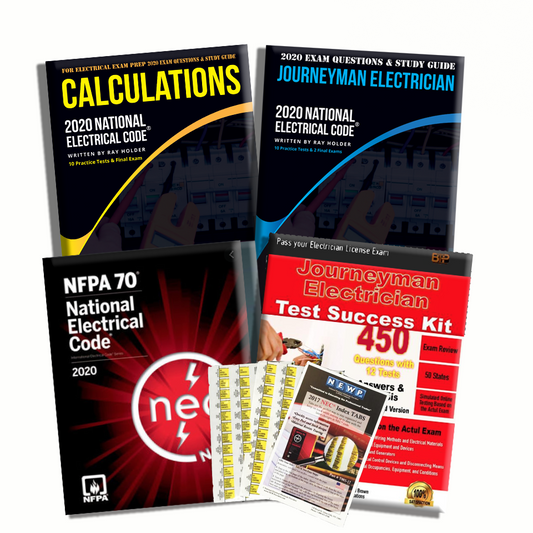
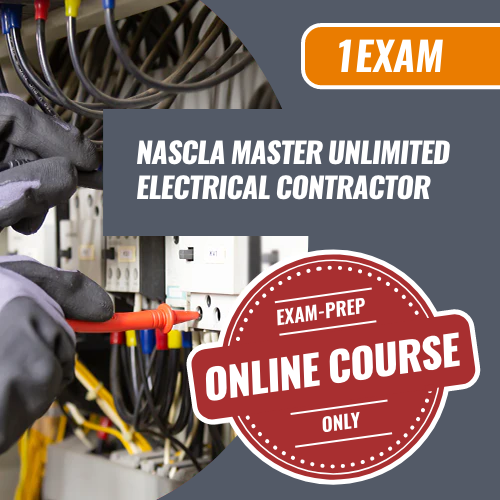
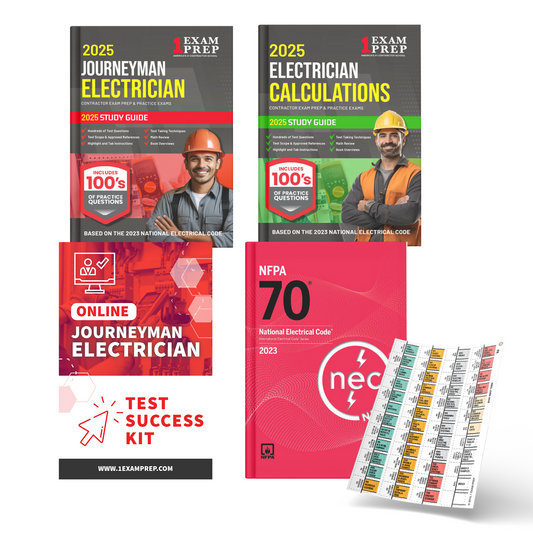
The Wyoming electrician exam prep package provides coordinated study resources for candidates who want code practice, calculation review, and test simulations. The collection also includes journeyman and master packages connected to different National Electrical Code editions. Before purchasing, a Wyoming electrician should compare the package edition with the current exam bulletin. A newer publication is not automatically the correct choice if the testing authority uses another edition.

A Wyoming electrician should begin with a diagnostic practice test and divide missed questions into code lookup, calculation, theory, reading, and pacing problems. Each category requires a different solution. A Wyoming electrician who cannot find an article needs navigation drills, while a Wyoming electrician who finds the correct table but calculates the wrong answer needs math practice. This focused method is more useful than repeatedly reading familiar chapters.

Timed practice should become part of the final study stage. A Wyoming electrician can answer simple questions first, mark difficult questions, and return to them later. During review, the Wyoming electrician should study guessed answers as carefully as wrong answers. A lucky answer does not prove that the rule is understood. The goal is for the Wyoming electrician to explain why the correct answer applies and why the other choices do not.

Wyoming General Contractor Exam Prep

Understanding Wyoming General Contractor Requirements

A Wyoming general contractor may manage new construction, structural work, renovations, additions, and large building projects. Unlike some states, Wyoming does not use one statewide general contractor license for every construction business and every project. A Wyoming general contractor may instead face licensing or registration requirements from a city, town, county, or local building department. The rules can depend on the project value, building type, work scope, and location.

A Wyoming general contractor planning to work in Cheyenne may face different application steps from a Wyoming general contractor working in Casper, Laramie, Jackson, or another community. Local requirements may include an ICC examination, proof of experience, business registration, insurance, bonding, fees, references, or a qualifying individual. A Wyoming general contractor should contact each local authority before bidding or signing a contract. Approval in one area may not automatically authorize work in another area.

The license classification is also important. A Wyoming general contractor may need a general building classification for broad commercial work, a building contractor classification for projects with a smaller scope, or a residential classification for houses and related structures. A Wyoming general contractor should read the classification description before selecting an exam. Passing an exam that does not match the intended project scope can result in additional applications, expenses, and testing.

General Building and NASCLA Exam Preparation

A Wyoming general contractor exam may cover building codes, structural requirements, concrete, masonry, carpentry, roofing, foundations, safety, plan reading, and project administration. Some examinations also include estimating, excavation, fire protection, accessibility, energy rules, and jobsite management. A Wyoming general contractor must know which reference books are permitted because no single book covers every subject. The official bulletin should be used to create the final book list.

The Wyoming collection includes the ICC General Building Contractor exam prep course for candidates preparing for a broad building examination. The collection also offers NASCLA preparation. A Wyoming general contractor considering NASCLA should confirm whether the intended licensing authority accepts the NASCLA Accredited Examination and whether a separate business, law, trade, or local examination is required. Passing NASCLA can support applications in participating jurisdictions, but it does not create an automatic license.

Book navigation is essential for a Wyoming general contractor. Candidates should learn where major subjects are located in the building code, concrete references, masonry standards, OSHA rules, and other approved books. A Wyoming general contractor should practice turning a question into a search term. For example, a question about stair dimensions should lead to the correct code chapter, while a question about concrete cover should lead to the appropriate concrete reference.

How a Wyoming General Contractor Can Study Efficiently

A Wyoming general contractor should study by subject groups rather than randomly switching between books. One session can focus on foundations and concrete, while another can cover framing, roofing, safety, or accessibility. This approach helps a Wyoming general contractor understand how related rules work together. Mixed practice can be added later after the basic subjects are stronger.

Estimating and plan-reading questions deserve regular attention. A Wyoming general contractor may need to calculate area, volume, material quantities, slopes, loads, or waste factors. The candidate should write formulas clearly and label each unit. A Wyoming general contractor should also practice reading details, notes, symbols, schedules, and dimensions without making assumptions that are not shown on the plan.

During timed practice, a Wyoming general contractor should avoid becoming trapped by one difficult lookup. Mark the question and continue. Several easy questions may be answered in the time used on one complicated item. After the practice exam, the Wyoming general contractor should review every missed and guessed answer. This process builds speed while protecting accuracy.

Safety should never be treated as a small study category. A Wyoming general contractor is responsible for planning work that protects employees, subcontractors, customers, and the public. OSHA questions may involve fall protection, ladders, scaffolds, excavations, personal protective equipment, electrical hazards, and material handling. A Wyoming general contractor who understands these rules is preparing for both the examination and real project leadership.

Wyoming Plumber Exam Prep

Understanding the Wyoming Plumber Career Path

A Wyoming plumber installs and repairs water distribution, drainage, waste, vent, fixture, and related piping systems. A Wyoming plumber may work in houses, apartment buildings, restaurants, hospitals, schools, commercial buildings, and industrial facilities. The trade requires practical skill, code knowledge, mathematics, troubleshooting, and careful attention to health and safety. Plumbing systems must deliver clean water, remove waste, protect traps, control pressure, and prevent contamination.

Wyoming plumber licensing and registration can depend on the local jurisdiction. A Wyoming plumber may need to meet city or county experience requirements, pass an examination, submit employer records, register with a building department, or work under a licensed plumbing contractor. A Wyoming plumber should verify whether the location uses a journeyman, master, contractor, or apprentice classification. The title and permitted work scope can vary between authorities.

A Wyoming plumber should not assume that a license from one municipality is accepted everywhere in the state. Some communities may recognize certain credentials, while others may require another application or local registration. A Wyoming plumber who plans to work across several areas should contact each building department and keep a list of renewal dates, fees, insurance requirements, and permit rules.

What a Wyoming Plumber Should Study

A Wyoming plumber examination may cover plumbing definitions, fixtures, water supply, sanitary drainage, venting, traps, interceptors, storm drainage, indirect waste, special piping, and code administration. Questions may also involve developed length, fixture units, pipe sizing, slope, pressure, temperature, cleanouts, and approved materials. A Wyoming plumber should use the official exam outline to identify the tested code and reference books.

The International Plumbing Code is a common reference for plumbing examinations, but the adopted edition can vary. A Wyoming plumber should confirm the correct edition instead of studying from the first plumbing book available. Changes between editions may affect section numbers, material rules, sizing tables, and installation requirements. A Wyoming plumber should also verify whether local amendments are included in the examination.

The journeyman plumber exam study guide found in the Wyoming collection can help a Wyoming plumber practice code questions and become familiar with common exam subjects. The collection also includes packages with the plumbing code and tabs. A Wyoming plumber should compare each package with the approved reference list before ordering.

Plumbing Code Navigation and Calculations

A Wyoming plumber needs to move quickly between chapters, tables, definitions, and footnotes. Code tabs can help, but a Wyoming plumber must still understand the structure of the book. Daily drills can include locating rules for cleanouts, vents, fixture clearances, water heaters, backflow protection, and pipe sizing. The Wyoming plumber should record lookup times and repeat slow subjects until navigation becomes easier.

Plumbing calculations often require careful table use rather than advanced mathematics. A Wyoming plumber may need to total drainage fixture units, determine developed length, select a pipe size, calculate slope, or evaluate water pressure. The candidate should read table headings and notes before choosing an answer. A Wyoming plumber who finds the correct table but ignores a footnote may still miss the question.

Practice questions should include residential and commercial situations. A Wyoming plumber who mainly works in houses may need extra review of larger commercial systems, while a Wyoming plumber with commercial experience may need to revisit residential fixture and venting rules. A balanced plan helps the Wyoming plumber prepare for subjects that may not appear during a normal workweek.

On test day, the Wyoming plumber should identify whether the question asks for a minimum, maximum, required, or permitted value. These words can change the correct answer. The Wyoming plumber should also watch for differences between drainage, vent, water, storm, and fuel-gas piping. Reading the entire question before opening a book prevents unnecessary searches.

Wyoming Mechanical Contractor Exam Prep

Understanding Mechanical Trade Responsibilities

A Wyoming mechanical contractor may install, repair, or manage heating, cooling, ventilation, refrigeration, exhaust, and mechanical piping systems. A Wyoming mechanical contractor can work on furnaces, boilers, air-conditioning equipment, duct systems, ventilation fans, hydronic systems, commercial kitchens, and specialized mechanical equipment. The exact work scope depends on the local license classification and the authority having jurisdiction.

Mechanical licensing in Wyoming may be handled locally rather than through one statewide mechanical contractor license. A Wyoming mechanical contractor should check city or county requirements before offering services. The local authority may require experience, an ICC examination, insurance, registration, a contractor license, or a master-level qualifying person. A Wyoming mechanical contractor should also confirm whether refrigeration, fuel gas, plumbing, or electrical connections require separate credentials.

A Wyoming mechanical contractor must understand the boundary between mechanical work and other licensed trades. Connecting electrical conductors, modifying fuel-gas piping, installing plumbing, or completing structural work may require another license. A Wyoming mechanical contractor who understands these limits can plan projects correctly and hire properly qualified subcontractors when needed.

Mechanical Exam Subjects and References

A Wyoming mechanical contractor examination may cover equipment installation, combustion air, venting, ducts, ventilation, exhaust systems, chimneys, appliances, refrigeration, boilers, hydronic piping, controls, and safety. The exam may use the International Mechanical Code along with fuel-gas, plumbing, energy, or manufacturer references. A Wyoming mechanical contractor should build the study plan around the exact approved book list.

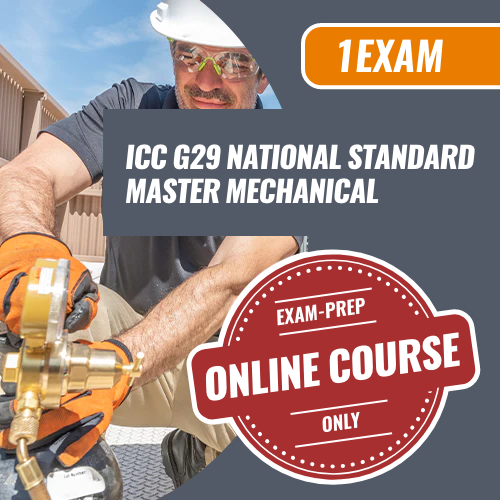
The Wyoming collection includes the ICC Master Mechanical exam prep course. This resource can help a Wyoming mechanical contractor prepare for code-based questions and practice exam navigation. Because the collection contains different ICC exam titles, a Wyoming mechanical contractor should confirm the exam code required by the local licensing authority before enrolling.

Mechanical questions often require the candidate to combine several facts. A Wyoming mechanical contractor may need to identify an appliance type, determine a location condition, find a clearance, and then check an exception. The Wyoming mechanical contractor should read beyond the first sentence of a rule and review related tables, notes, and definitions before selecting an answer.

Mechanical Calculations and Study Methods

A Wyoming mechanical contractor may face questions involving airflow, duct area, ventilation rates, combustion air, equipment capacity, pipe sizing, temperature, and pressure. Some calculations are completed with formulas, while others require tables. A Wyoming mechanical contractor should label values and units clearly so cubic feet per minute, British thermal units, inches, feet, and pressure values are not confused.

Practice should begin without strict time limits so the Wyoming mechanical contractor can understand each method. After the method becomes reliable, timed sets should be added. A Wyoming mechanical contractor who rushes before learning the process may repeat the same calculation mistakes. Accuracy should come first, followed by speed.

A mistake log is useful for every Wyoming mechanical contractor candidate. The log can identify the topic, reference book, section, reason for the mistake, and correct method. A Wyoming mechanical contractor should review this log each week and repeat questions from weak categories. Over time, the log becomes a focused study guide built around the candidate's needs.

On the examination, a Wyoming mechanical contractor should complete direct code questions first and return to longer calculations later. The Wyoming mechanical contractor should not spend a large part of the exam searching for one unfamiliar detail. Good pacing gives the candidate time to answer the questions that can be solved quickly and accurately.

Wyoming Gas Pipe Fitter Exam Prep

Understanding the Wyoming Gas Pipe Fitter Trade

A Wyoming gas pipe fitter installs, tests, repairs, and maintains fuel-gas piping and connected systems within the work scope allowed by the local license. A Wyoming gas pipe fitter may work with natural gas, propane, appliance connections, regulators, shutoff valves, vents, and piping supports. Because fuel gas can create fire, explosion, and carbon-monoxide hazards, the work requires careful code compliance and testing.

Licensing requirements for a Wyoming gas pipe fitter may be established by a city, county, or local building department. A Wyoming gas pipe fitter may need documented experience, an examination, an application, insurance, employer sponsorship, or another trade credential. Some jurisdictions may include gas piping within a plumbing or mechanical classification, while others may offer a separate gas pipe fitter license. A Wyoming gas pipe fitter should confirm the exact classification before choosing an exam.

The permitted work scope is especially important. A Wyoming gas pipe fitter license may authorize fuel-gas piping but not plumbing, mechanical equipment installation, electrical work, or appliance servicing beyond a stated limit. A Wyoming gas pipe fitter should read local ordinances and license descriptions carefully. Understanding the scope protects the worker, employer, customer, and project.

Fuel-Gas Exam Topics

A Wyoming gas pipe fitter exam may cover gas-pipe sizing, materials, valves, regulators, appliance connections, combustion air, venting, pressure testing, purging, clearances, and installation safety. A Wyoming gas pipe fitter may also need to understand definitions, code administration, prohibited locations, underground piping, support intervals, and protection from physical damage. The testing authority should provide the final topic list and approved references.

The ICC Master Gas Pipe Fitter exam prep package offers a structured option for candidates preparing for a national-standard examination. A Wyoming gas pipe fitter should confirm that the local authority requires the F33 examination or accepts that credential. Selecting the correct exam code is essential because similar trade titles can use different books and test outlines.

Gas-pipe sizing deserves repeated practice. A Wyoming gas pipe fitter may need to determine system length, appliance demand, pressure conditions, and the correct table before selecting a pipe size. The Wyoming gas pipe fitter should read every table title and note because tables may apply to different gases, pressure ranges, or sizing methods. Using a familiar-looking table without checking its conditions can produce the wrong answer.

Safe Study and Test-Day Habits

A Wyoming gas pipe fitter should practice locating rules for shutoff valves, sediment traps, appliance connectors, regulators, testing, vent terminals, and combustion air. These drills help the Wyoming gas pipe fitter create a mental map of the fuel-gas code. The candidate should use the index when the exact chapter is unknown and use tabs when the general location is familiar.

Timed practice exams help a Wyoming gas pipe fitter manage long sizing questions. The candidate should answer simple definition and installation questions first, then return to calculations. A Wyoming gas pipe fitter should write each sizing step and verify the system conditions before choosing an answer. This method reduces errors caused by memory or rushed table selection.

Safety questions should receive serious attention. A Wyoming gas pipe fitter must understand leak testing, purging, ignition sources, ventilation, equipment clearances, and emergency shutoff procedures. These subjects are not only examination topics. They protect workers and building occupants. A Wyoming gas pipe fitter who studies the reason behind a rule will remember it more easily than someone who memorizes only the section number.

After passing an exam, a Wyoming gas pipe fitter may still need to complete local licensing steps. Passing does not always create immediate permission to work. The Wyoming gas pipe fitter should submit required results, pay licensing fees, provide insurance records, and wait for the credential to become active before performing regulated work.

How to Build a Wyoming Contractor Exam Study Plan

Every trade candidate should begin by confirming the correct license and examination. The examination title, exam code, code edition, reference books, question count, passing score, and time limit should come from the current licensing authority or testing provider. Do not choose an exam only because its name sounds similar to the intended license. A general building exam, residential building exam, master mechanical exam, journeyman plumbing exam, and gas pipe fitter exam can have very different scopes.

After confirming the exam, complete a diagnostic practice test. Record every missed question and every answer based on a guess. Divide the results into subject knowledge, book navigation, calculations, reading mistakes, and time management. This step turns a general goal such as studying harder into a clear plan. A candidate who has weak book-navigation skills needs lookup drills, while a candidate who repeatedly misreads minimum and maximum needs slower question review.

Study several days each week instead of depending on one long session. Short weekday sessions can cover definitions, code navigation, flash cards, and calculations. A longer weekend session can include a timed practice exam. During the first stage, focus on understanding. During the second stage, mix subjects. During the final stage, complete full timed exams and review the weakest areas.

Use approved books during practice in the same way they will be used during the real examination. Learn the table of contents, index terms, chapter arrangement, tables, notes, and exceptions. Tabs can improve speed when permitted, but they should support book knowledge rather than replace it. A heavily tabbed book is not useful when the candidate does not understand which reference contains the answer.

The last days before the examination should be used for organized review rather than panic. Confirm the testing location, identification rules, calculator policy, arrival time, and permitted materials. Remove loose papers or unapproved notes from reference books. Get enough sleep and arrive early. A calm candidate with a clear method usually performs better than a candidate who studied all night and arrives exhausted.

Frequently Asked Questions About Wyoming Trade and Contractor Exams

Q. Does Wyoming have a statewide general contractor license?

A. Wyoming does not use one statewide general contractor license for every construction project. General contractor licensing and registration are often handled by cities, counties, or local building departments. Candidates should contact the authority where they plan to work before bidding, applying, or selecting an examination.

Q. How do I become a Wyoming electrician?

A. A Wyoming electrician generally needs documented electrical wiring experience, related classroom education, application approval, and a passing examination score. The requirements depend on whether the applicant seeks a journeyman, master, technician, or contractor credential. Current qualifications should be confirmed with the Wyoming electrical licensing authority.

Q. Is plumbing licensed statewide in Wyoming?

A. Plumbing licensing is commonly handled at the local level in Wyoming. A city or county may establish journeyman, master, apprentice, or plumbing contractor requirements. A candidate should verify the required experience, examination, insurance, registration, and renewal rules with each local authority.

Q. Which code book should I use for a Wyoming trade exam?

A. Use the exact code edition listed in the current candidate bulletin or local licensing instructions. Electrical, plumbing, mechanical, fuel-gas, and building examinations use different references. A product publication year does not always identify the code edition, so candidates should compare every book with the official list.

Q. Are Wyoming contractor exams open book?

A. Many contractor and trade examinations allow approved reference books, but the rules depend on the examination provider. Open-book testing still requires fast navigation because candidates must answer within a set time. The provider may restrict tabs, notes, loose papers, highlighting, and calculators.

Q. Can I use a NASCLA exam for a Wyoming contractor license?

A. Some Wyoming jurisdictions may accept the NASCLA Accredited Examination for an eligible commercial contractor classification, but acceptance should be verified before registering. Passing NASCLA does not automatically create a local license. A business application, fees, insurance, references, or an additional examination may still be required.

Q. What is the best way to study for an ICC contractor exam?

A. Begin with the official outline and approved references. Practice finding answers through the index and table of contents, complete calculations on paper, and take timed practice exams. Review every missed and guessed question so you understand the controlling rule instead of memorizing only an answer choice.

Q. Do Wyoming contractors need licenses in every city?

A. Requirements vary by location and trade. A license or registration issued by one city may not automatically authorize work in another city. Contractors should check local business licensing, trade licensing, insurance, bonding, permit, and registration rules before starting a project.

Q. How long should I study for a Wyoming contractor exam?

A. The study period depends on the candidate's experience, reference-book skills, calculation ability, and weekly schedule. Many candidates benefit from several weeks of regular practice. A test date should be based on consistent timed scores and strong book-navigation skills rather than a last-minute study period.

Q. Does passing a trade exam mean I can begin working immediately?

A. Passing an examination may be only one part of the licensing process. The candidate may still need to submit the score, complete an application, provide insurance, pay fees, name a qualifying individual, or receive local approval. Regulated work should not begin until the required license or registration is active.

Conclusion: Prepare for Your Wyoming Trade Exam With Confidence

Preparing for a Wyoming trade license begins with one important decision: identify the exact work you want to perform and the authority that controls it. A Wyoming electrician may follow a state licensing process, while a Wyoming general contractor, Wyoming plumber, Wyoming mechanical contractor, or Wyoming gas pipe fitter may need approval from a city, county, or local building department. The same trade can have different classifications and requirements in different locations, so official verification should always come before exam registration.

Once the correct license is identified, gather the current application, examination bulletin, reference list, and experience requirements. Review every instruction before paying fees or ordering books. Confirm the exam title, exam code, code edition, time limit, question count, passing score, calculator policy, and book rules. This step protects candidates from studying the wrong material or taking an examination that does not match the intended license.

The next step is to build a study plan around real performance. Reading is useful, but reading alone does not prepare a candidate for a timed open-book examination. Practice finding rules through the index, table of contents, chapters, tables, and definitions. Complete calculations step by step. Take timed tests and review every wrong or uncertain answer. A candidate who understands the reason behind an answer is better prepared for a new question with different wording or numbers.

Each trade deserves focused preparation. A Wyoming electrician must build National Electrical Code navigation and calculation skills. A Wyoming general contractor must move between building, safety, structural, and project references. A Wyoming plumber must understand water, drainage, venting, fixtures, and sizing tables. A Wyoming mechanical contractor must work through equipment, airflow, combustion, venting, and mechanical-system rules. A Wyoming gas pipe fitter must understand sizing, testing, regulators, appliances, combustion air, and fuel-gas safety.

The Wyoming collection from 1 Exam Prep includes resources for these different paths, including electrician packages, general building courses, NASCLA preparation, plumbing study guides, master mechanical courses, residential building options, and gas pipe fitter packages. Choose resources that match the official exam instead of choosing only by price, size, or publication date. The best package is the one that covers the approved references and supports the candidate's weakest skills.

Finally, remember that passing an examination is an important milestone, but it may not be the final licensing step. Applications, insurance, business registration, fees, background information, qualifying-party documents, or local approvals may still be required. Keep copies of all records, track renewal dates, and verify permit requirements before beginning work. With the correct exam, approved references, regular practice, and careful preparation, Wyoming trade professionals can approach licensing with a clear plan and stronger confidence.

Key Takeaways

  • Confirm the exact Wyoming license, local jurisdiction, exam code, and work scope before purchasing study materials.
  • Use the current examination bulletin to verify code editions, reference books, calculators, tabs, and testing rules.
  • Combine book navigation, calculations, subject review, and timed practice exams in one organized study plan.
  • Review every missed and guessed question instead of memorizing answer choices.
  • Complete all application, insurance, registration, and local approval steps before performing regulated work.