






Florida Contractor Exam Books: 2024–2025 Editions, 2026 Updates, and Study Strategy
Florida contractor examinations depend on approved reference lists, and those lists can change. A book that was recommended for a 2024 or 2025 test may still be useful for reading, but its edition may not match a later exam date. Buying the wrong version can leave you with outdated passages, unfamiliar page numbers, or a reference that is not authorized in the test room.
The Florida construction contractor new-editions collection is a starting point for comparing materials. Use the collection title as historical context, not proof that every title remains the official edition for your appointment.
This guide focuses on choosing exam reference materials, not replacing your state's instructions. Florida can change an examination book list without changing the way an old online collection is labeled. Set aside the exact effective-date list you plan to use and check it again before the test. When shopping, it helps to compare four things in one place: your exam section, the full book title, the required edition, and the product you intend to order.
Start with the current DBPR reference list
The Florida Department of Business and Professional Regulation publishes construction examination reference lists by specialty and effective date. The official page currently provides 2026 lists and separately identifies 2027 lists, so the correct set depends on when you test. Different examinations can also have different permitted books.
Open the official DBPR construction reference lists before ordering. Record your license category, examination section, scheduled date, and the exact edition of each permitted publication. If the list has a future effective date, do not assume it applies to an earlier appointment.
Understand the 2024–2025 collection label
The long collection name calls attention to edition changes effective during 2024 and 2025. That makes sense for a shelf of books, but licensing materials continue to change after a collection is created. The Florida Building Code, manuals, safety publications, and specialty references may have their own update schedules.
Treat an online product title as a shopping description. Treat the state reference matrix as your testing instruction. A 2025 book can still be correct in 2026, while another reference might change during the year. Check each title individually instead of assuming all publications share one universal replacement date.
General, Building, and Residential are separate license goals
Florida's General, Building, and Residential contractor classifications have distinct legal scopes and eligibility requirements. They share important study references for certain examination sections, but that does not make the licenses interchangeable. The type of projects you intend to perform should guide the path you choose.
Decide on the classification before purchasing a large book set. Compare the Florida Residential Contractor highlighted and tabbed set with packages intended for building or general contractor candidates. Always compare the current official list against the selected package.
Separate Business and Finance from trade examinations
Business and Finance preparation covers contractor administration, accounting concepts, contracts, financial management, and legal responsibilities. Contract Administration and Project Management require related but not identical reference use. Several books appear in more than one section, while others may be approved for only one.
Make a two-column chart for the exams you will take. Mark which publication belongs to each section, whether it can enter that test room, and when it was updated. The Florida trade-reference rental set is one option to compare against your chart.
Know when the Contractors Manual changed
The Florida Contractors Manual is a major preparation resource for contractor business and administrative subjects. In 2026, the officially listed edition schedule included a transition to the 2025 edition, with different effective timing for Business and Finance versus certain trade sections. That means the date and examination section both matter.
Do not use a blanket rule such as 'always buy the newest manual' without checking your effective reference list. A current product might include the 2025 manual, but you still need to make sure the edition and publication details correspond to your test. Write those details on your shopping checklist.
Understand the 2023 Florida Building Code volumes
The Florida Building Code, 8th Edition, carries a 2023 publication year across important volumes. Depending on your category, the approved material can include Building, Residential, Existing Building, Accessibility, and Energy Conservation. Each volume covers a different aspect of compliance.
For example, review the 2023 Florida Building Code: Building product and then confirm whether it appears on your precise exam list. Study the code's structure, definitions, tables, and Florida-specific provisions. Do not rely on a generic international code as an automatic substitute.
Check OSHA publication dates and safety content
Construction safety references are a common part of Florida contractor preparation, especially OSHA requirements in Title 29, Part 1926. The approved printing or dated compilation can change even when the book title stays nearly identical. A candidate might overlook that small difference when comparing two product pages.
Record the exact OSHA publication date on the DBPR list. Study hazard recognition, fall protection, excavation, scaffolding, and other topics named in your examination outline. Knowing safety rules improves both test preparation and worksite decisions, but the exact approved printing still needs verification.
Watch edition changes for truss and construction texts
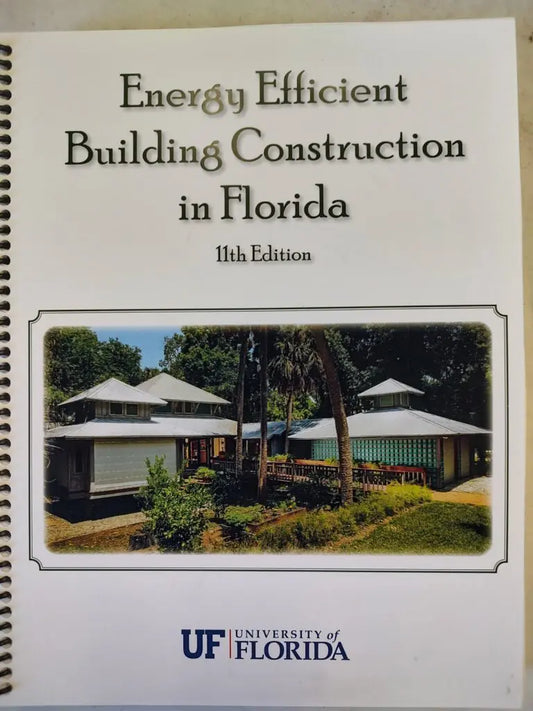
General, Building, and Residential candidates may encounter the Building Component Safety Information truss guidance, Principles and Practices of Commercial Construction, and Energy Efficient Building Construction in Florida. Some of these materials changed editions or effective dates during 2025 and 2026.
Rather than memorizing an old shopping list, create a living reference table with the book title, edition, exam section, and permitted status. If you need a bundle, read its list carefully. The Florida Building Contractor Ultimate Exam Prep rental package describes included books, but you should still compare it to the state list.
Know which AIA documents relate to contract questions
Standard contract forms can appear in Business and Finance or construction-administration study. Commonly listed AIA publications include A201 General Conditions, A401 subcontractor agreements, and A701 bidding instructions. Their edition years are not necessarily the same as the building-code publication year.
Learn what each document addresses and how the roles of owner, contractor, subcontractor, and design professional differ. During an open-book exam, a correct answer depends on understanding the question and locating the relevant language. A tab can speed navigation, but it cannot tell you which contract issue is being tested.
Distinguish approved books from study-only books
A preparation package can contain extra manuals that help you understand estimating, concrete, reinforcing bars, accounting, or finishes. Some of these books may be study-only for a particular examination section, even if they are useful for becoming a better contractor.
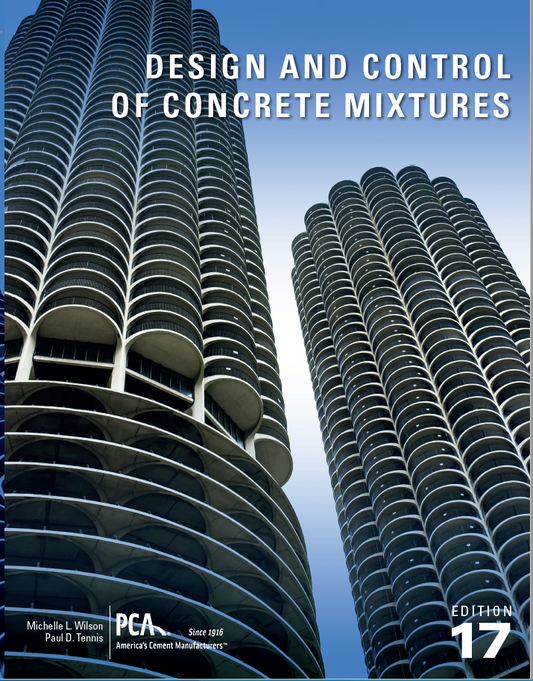
Do not bring every book in the bundle into the exam room. Check the official list and any restrictions on section-specific materials. For example, Design and Control of Concrete Mixtures can support technical review without being authorized for every Florida contractor trade examination.
Check highlighted and tabbed editions carefully
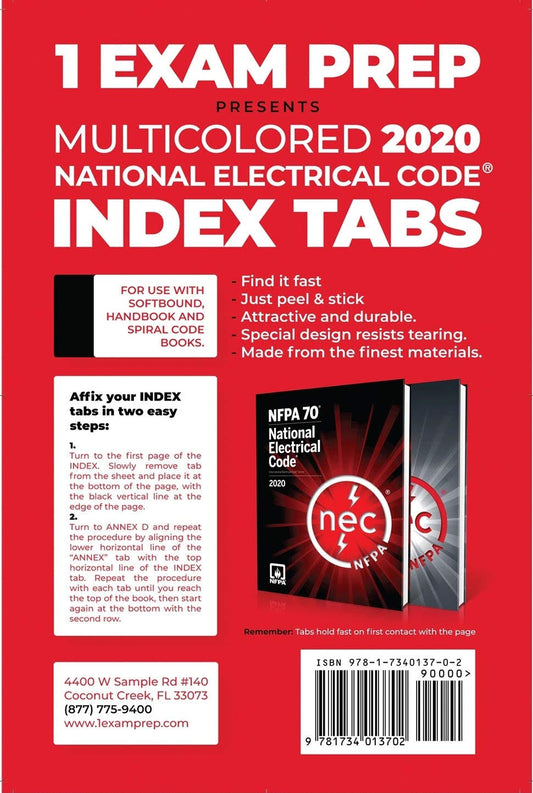
Tabbed books can save lookup time by marking major chapters and common subjects. Highlighting can also help candidates identify important material during study. Yet examination rules may restrict certain annotations, loose papers, notes, or types of tabs.
Read the current candidate instructions before buying prepared books or altering your own. Learn the difference between a publisher's printed index, an approved tab, and an inserted personal note. Practice looking up topics using only materials you expect to be permitted. A fancy tab system is useful only when it is allowed.
Choose between buying, renting, and online courses
Buying books makes sense when you want a long-term reference library. Renting may suit candidates who need an organized short-term package. Online courses can add structure, practice questions, and explanations, but a course does not always include physical books.
Compare the total cost, deposit, return deadlines, access duration, shipping, included editions, and support. Look closely at the product description before paying. A rental package can be excellent value for one candidate and a poor fit for someone who wants to keep the books for future jobs.
Learn to find answers in the actual references
Open-book exams reward people who understand where topics live. You should be comfortable using contents pages, indexes, tables, definitions, and exceptions. Looking at a book for the first time on exam day is not a strategy. It is a surprise party nobody requested.
Make a subject-to-book map. Practice finding one contract question, one code question, one safety question, and one estimating question in the permitted references. Measure your lookup speed, but score accuracy first. If you picked the wrong book, note why and improve your topic recognition.
Build practice around exam section and topic
A practical study schedule separates Business and Finance, Contract Administration, Project Management, and any specialty-specific content as appropriate. Candidates should not assume a full general contractor package exactly matches a roofing, mechanical, pool, or other trade examination.
For each section, spend time on the outline's heaviest topics and rotate through weaker subjects. Finish each session with practice questions and a short error review. If a question requires a code citation, find it in the book rather than merely accepting the answer key.
Watch for new lists before a future appointment
DBPR's reference page provides date-specific materials, including lists for 2027. When an exam is scheduled near an edition transition, a purchase made several months earlier may need a final check. The same warning applies if a test appointment is rescheduled.
Save the state reference list you used, then verify it again closer to the exam. Pay attention to a list's effective date, not just the date a product page was updated. Ask the examining authority to resolve conflicts. Written confirmation is especially useful when expensive books are involved.
Organize the books as a working library
A large set of Florida references can feel overwhelming, so arrange it by exam section and topic. Keep the permitted titles together, label study-only items separately, and make a contents map for your own practice. Use the official rules for any physical modifications.
During a timed session, place books in the same order every time. Read the question, identify the subject, select the likely publication, and locate the relevant section. Practice the full process. Familiarity helps you stay calm when multiple choices sound almost right.
Double-check licensing requirements beyond the books
Passing Florida construction examinations is not identical to receiving a license. Applicants may still need to document experience, financial responsibility, insurance, credit, background information, or other criteria depending on the classification. The application process also has its own deadlines and fees.
Use DBPR construction licensing guidance to understand the broader path. Keep your exam scores, application documents, and supporting evidence in one folder. A book set helps you prepare for a test; it does not file your state application or grant permission to contract.
Use a final book-order checklist
Before checkout, confirm the exact exam classification, test sections, scheduled date, official reference list, publication titles, editions, and permitted status. Check whether the seller supplies printed books, digital access, tabs, a rental, or courses.
After receiving the shipment, compare every spine and title page with the list. Resolve missing or mismatched items early. Then begin daily lookup drills. The most useful collection is the one that helps you prepare with the correct references and understand where to find the answer, not simply the one with the most books.
Recommended Study Materials and Official Resources
Use these starting points to compare books, training, and the rules that apply to this topic. The collection links are shopping resources, while official organizations decide examinations, certification requirements, and permitted materials. Product descriptions can change and do not replace a current exam bulletin or a recognized training requirement.
- Florida exam-book collection
- Official DBPR reference lists
- 2023 Florida Building Code: Building
- Florida Building Contractor rental study package
Confirm current official rules and reference editions before purchase or examination. Read the exact product description to identify what is included, what is sold separately, and whether a course or book actually matches your intended credential. Pay attention to dates, editions, access periods, and all terms before paying.
Practical Action Checklist
Use this list from top to bottom, then return to any unfinished step before the appointment or class. The goal is to get the correct materials, understand the subjects, and complete the official process without surprises. Check off each task only when you have verified it, not merely when you have read about it.
- Choose the Florida license classification and exact exam sections
- Get the DBPR reference list effective for your appointment date
- Check each title, edition, and permitted-versus-study-only status
- Compare rental, purchase, course, and book preparation options
- Inspect the delivered books against the official list
- Practice timed reference navigation by examination section
- Review changes again if your appointment moves to another year
Frequently Asked Questions
Conclusion
Choosing Florida contractor exam books is really an exercise in matching dates, license categories, and examination sections. A collection labeled for editions effective in 2024 and 2025 can contain useful study materials, but its historical title is not a promise that every book is current for a future appointment. The most important first step is to identify the exact Florida license classification and the exam sections you must complete. From there, obtain the Department of Business and Professional Regulation reference list that applies on your test date.
The distinction between a publication year and an examination effective date is easy to overlook. The Florida Building Code can carry a 2023 edition year while remaining the listed reference in later examination periods. Other books, including the Contractors Manual and safety or construction guidance, may change on separate schedules. A candidate who assumes every book should have the same year can spend unnecessary money or arrive with the wrong publication. Check the full title, edition, and any dated notes in the official reference list.
You should also separate Business and Finance resources from trade-section books. Some titles appear in more than one examination, but others are specific to a section or are helpful for study without being allowed in the room. Mark each publication as permitted, study only, or unrelated to your examination. For General, Building, and Residential candidates, this simple inventory can prevent confusion between Contract Administration, Project Management, and Business and Finance preparation. For specialty candidates, use the separate reference matrix for that trade.
Next, compare what each shopping option actually delivers. A purchased book set provides ownership. A rental may reduce upfront cost but can carry a deposit, a return deadline, and condition rules. Online courses provide study structure without necessarily including printed references. Highlighted and tabbed sets may save time if their markings comply with the current examination rules. Read the product's inclusion list closely and compare it line by line with the official requirements before checkout.
Practice is where the investment becomes useful. Open-book preparation should include subject recognition, index use, code lookups, reading tables, and checking exceptions. Create a subject-to-book map and complete timed drills with only approved materials. Track the reasons for wrong answers, especially when a mistake comes from choosing an unrelated reference or overlooking an edition-specific requirement. You want to be able to explain each answer, not simply remember where someone highlighted it.
Remember that examination success and licensing approval are separate. Florida applicants may still need experience evidence, financial and credit documents, insurance, and a completed application. Gather those items while studying so that the process does not stall after you pass.
Before buying or testing, revisit the official DBPR lists. The right books are the ones that match your exam, your date, and your section. With a correct reference library and steady practice, a large stack of contractor books becomes a practical tool rather than a costly guessing game.
Check the titles a final time when the shipment arrives. Correcting a mismatch before you start studying is much simpler than discovering it during your last practice examination.
Key Takeaways
- Match book editions to the DBPR list for your test date and category.
- Keep Business and Finance and trade-section book rules separate.
- Do not assume every book in a package is allowed in the exam room.
- Compare rentals, purchases, tabbed books, and courses by full inclusions.
- Recheck official edition changes if your exam date moves.
Plain-Language Summary
If you are buying Florida contractor exam books, start by finding the exact exam you will take. Florida has different license categories, including General, Building, Residential, and many specialty trades. The books allowed for one test may not be right for another. The state publishes official lists to help candidates choose.
Do not rely only on the year in a store collection title. The collection for 2024 and 2025 editions can still be useful, but a test in 2026 or 2027 may have updated requirements. Some books keep the same edition year for several testing periods. Other books change during the year. Always match your test date with the state's reference list.
The Florida Building Code is a good example. Many current exam lists still identify 2023 code volumes. The Contractors Manual and other publications have their own edition schedules. The newest title is not automatically the right one, and an older book is not automatically wrong. Follow the list for your exam.
You may have to take Business and Finance as well as one or more trade sections. Those exams do not always use the same reference books. A book that helps you study a subject may not be allowed in the testing room. Put your books into groups: allowed for this test, useful for study, and not needed. This makes preparation easier.
You can buy books, rent a set, or choose a package that includes online classes or practice questions. Compare exactly what is included. Ask about course access time, deposits, shipping, returns, tabs, and highlighting. Check whether a course includes physical books. Avoid assuming that a large bundle contains every reference or that every included book is approved.
For an open-book exam, practice finding answers. Learn to use the table of contents, index, and code tables. Read questions carefully, choose the correct reference, and check the rule. Time yourself after you learn the process. Try not to rely on tabs alone, because a tab cannot explain an exception.
Make a study plan for each examination section. Review important topics, practice calculations where required, and keep track of mistakes. If you get something wrong, learn why. Repeat the problem later with the correct book. This helps you improve your skills instead of memorizing only one answer.
Finally, remember that passing a state examination is not the whole licensing process. You may still need to apply and provide other records. Use the Florida exam-book collection to compare products, and use DBPR to confirm what is current. The right book selection saves study time and reduces the chance of an expensive surprise on exam day.
If you are unsure about a title, do not guess. Write down the question and contact the examination authority or seller. Ask for the exact book and edition, and keep the answer with your order records. Good preparation starts with knowing that the materials are right, not just having many books on a shelf.