


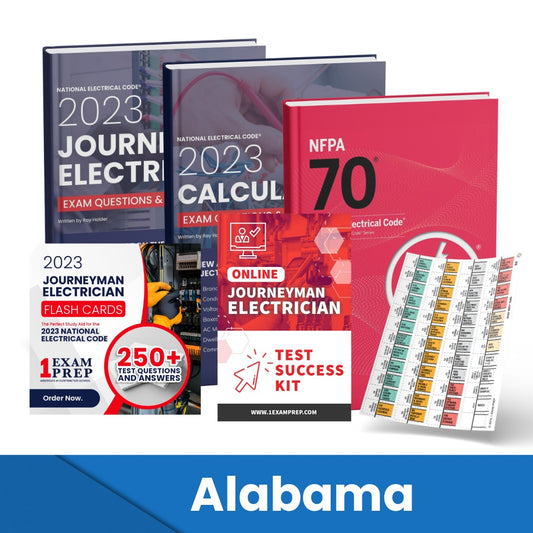
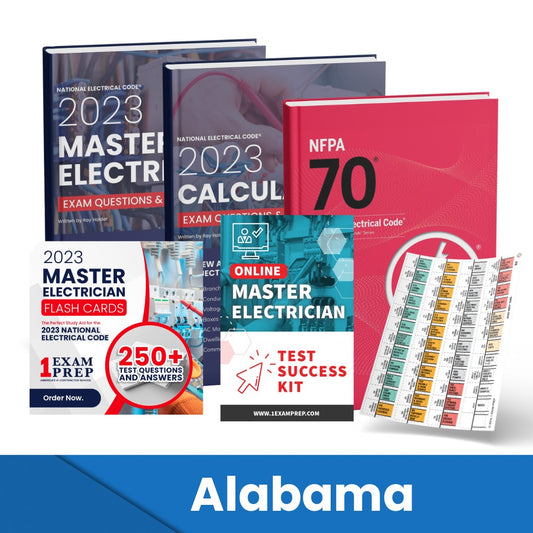

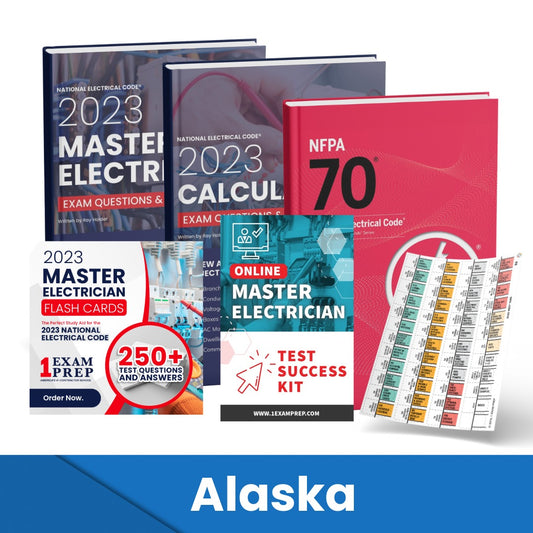
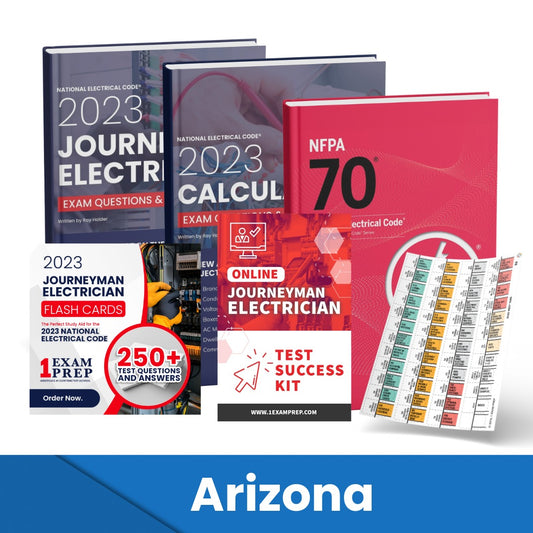
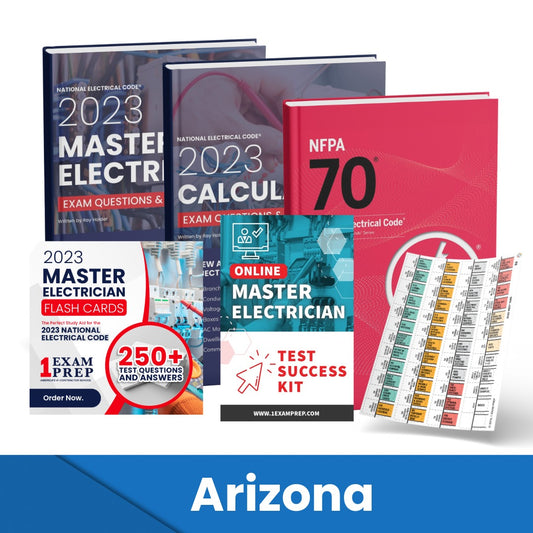
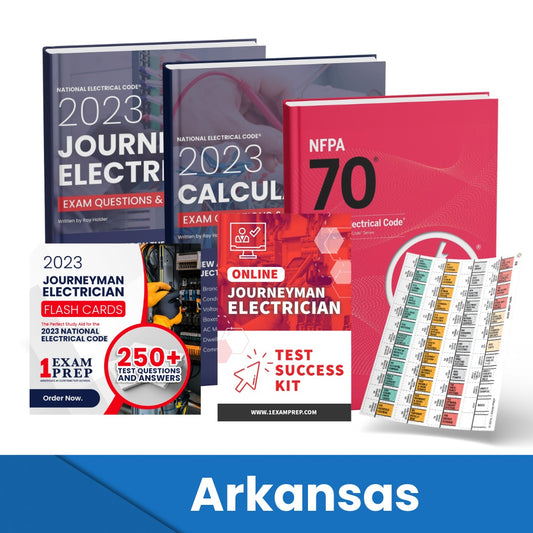
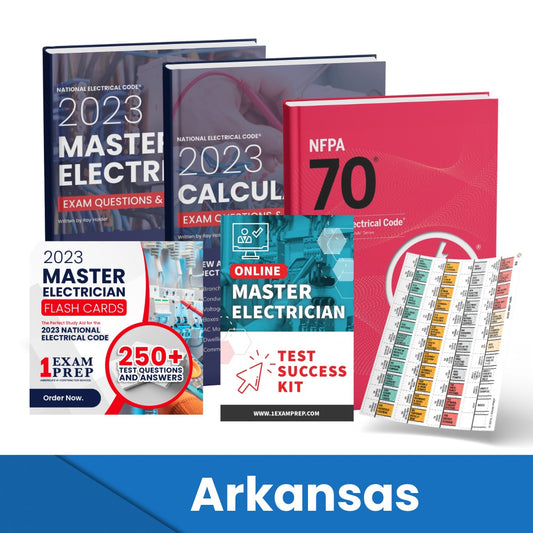
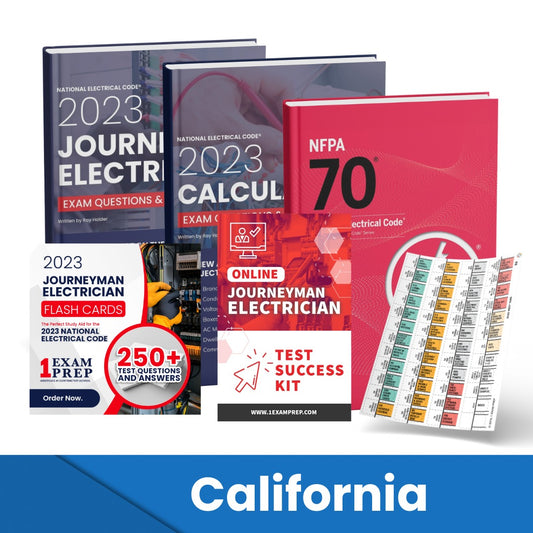
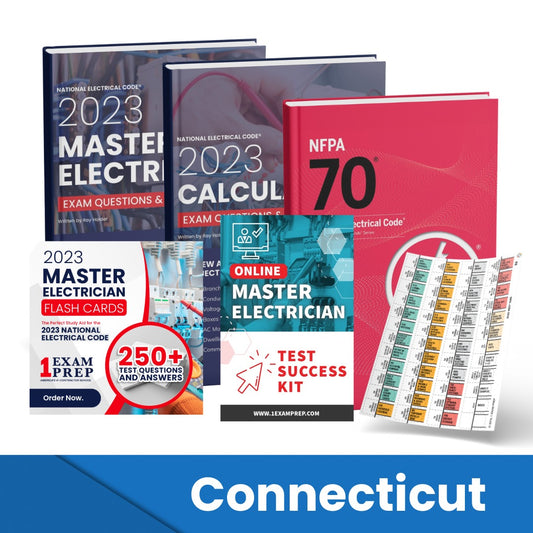
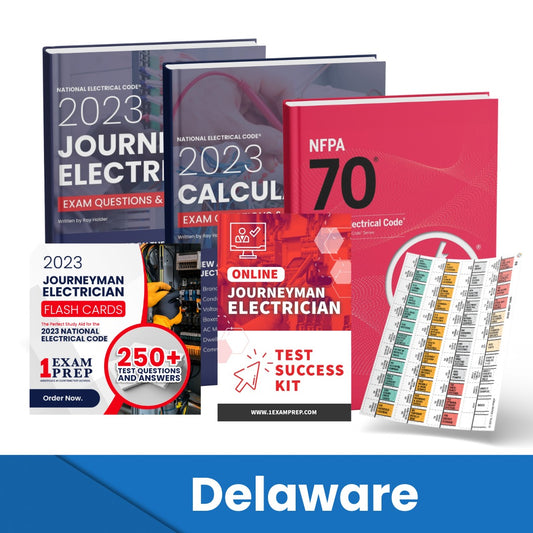
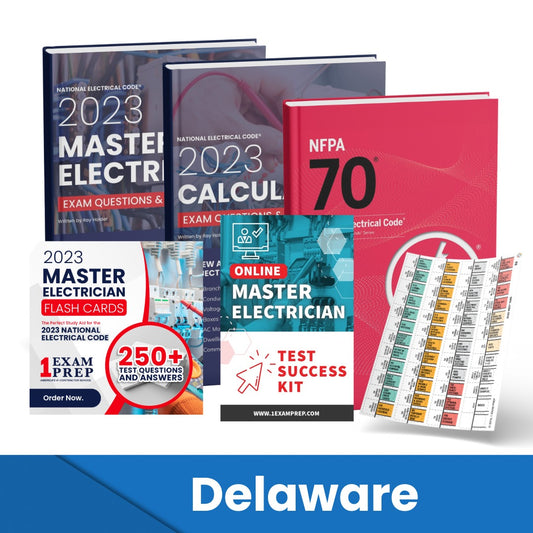
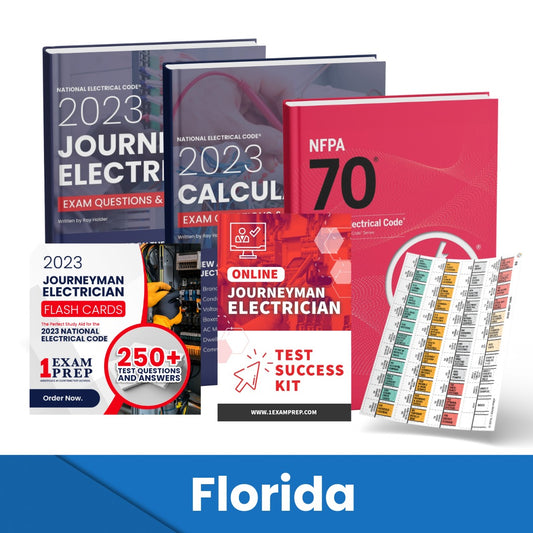
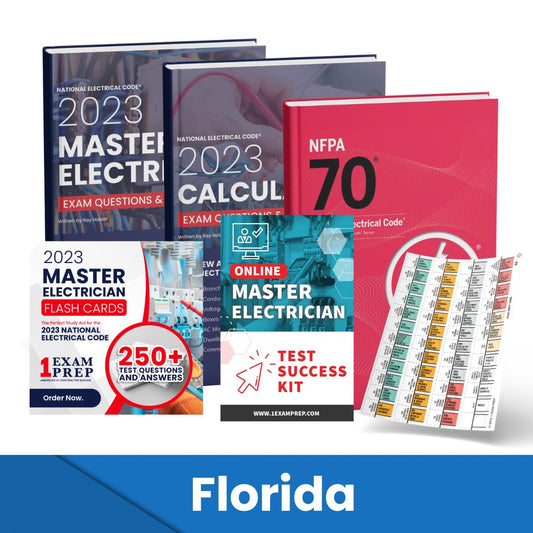
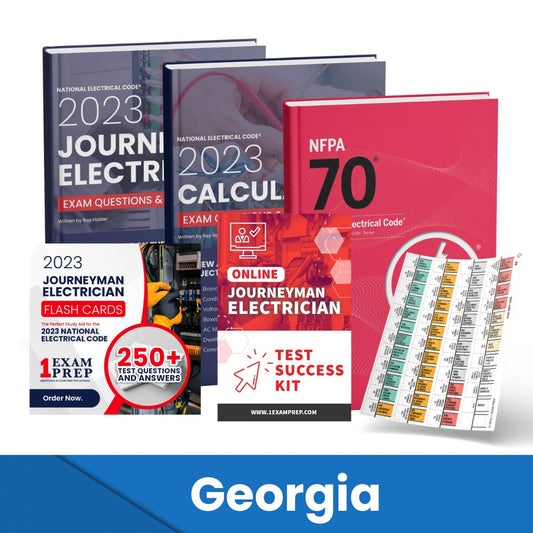
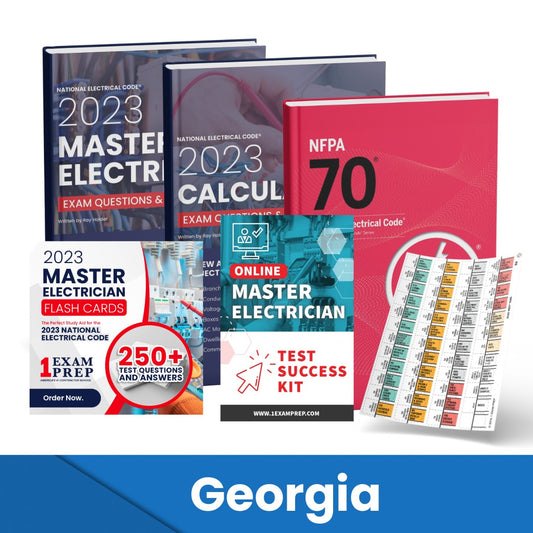
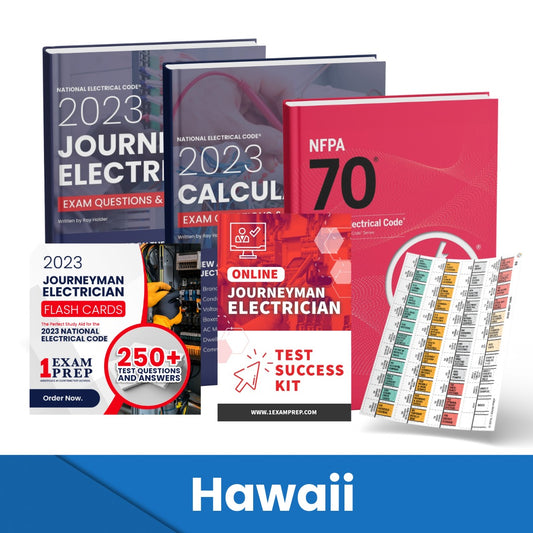
2023 Electrician Ultimate Packages: NEC Study Books, Courses, and Buying Guide
A great electrical exam prep package should give you the right tools for the exact exam on your schedule. That sounds obvious until you see a shelf of code editions, study kits, rental books, and online courses all promising to help. This guide explains what the 2023 NEC label means, how to compare Ultimate packages, and which electrical subjects deserve serious practice.
Browse the 2023 Electrician Ultimate Packages collection. Remember that the collection is about study resources, not a single nationwide examination. Current licensing requirements and NEC editions are determined by the applicable state or local agency.
Understand what '2023' means on a package
The year in a 2023 Electrician Ultimate Package generally points to the 2023 edition of the National Electrical Code. It does not mean every state still uses that code, that the exam happens in 2023, or that a study package is recognized across the country. Licensing agencies adopt code editions on different schedules.
Start with the 2023 Electrician Ultimate Packages collection, then compare each product to your current exam bulletin. The state and exact electrician license are more important than a catchy package title.
Check the current adopted NEC before ordering
An electrician can own a perfectly useful 2023 NEC and still need a different edition for an upcoming exam. For example, Texas adopted the 2026 NEC effective September 1, 2026. Other jurisdictions may use 2023 or another edition. The latest published NEC is not automatically your local exam reference.
Look up the edition in the official exam outline and confirm it again close to your test. If the required edition differs from a package, select materials that match the actual test instead of assuming a newer code will answer everything the same way.
Choose the license level first
Apprentice, journeyman, master, residential, maintenance, and contractor credentials do not test identical skills. A master-level package may include advanced service calculations and management topics that are not central to a residential test. A journeyman package may leave out material a contractor candidate needs.
Write the licensing board and exact credential name on a single line. Then note any required trade and business exams. Use that line to compare product descriptions. A package that fits your target can be smaller and more useful than the biggest box on the shelf.
Know what 'ultimate' can include
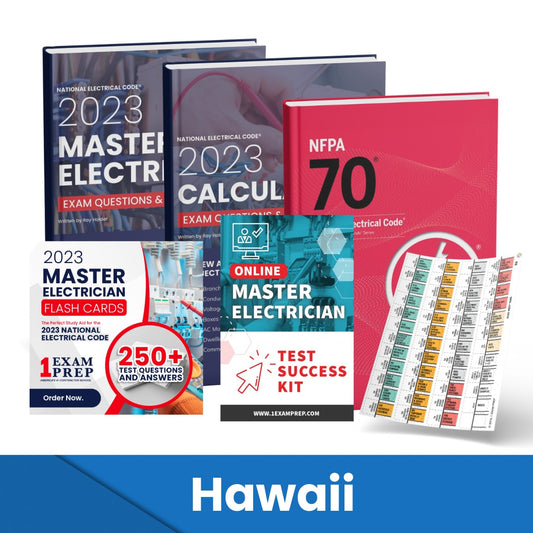
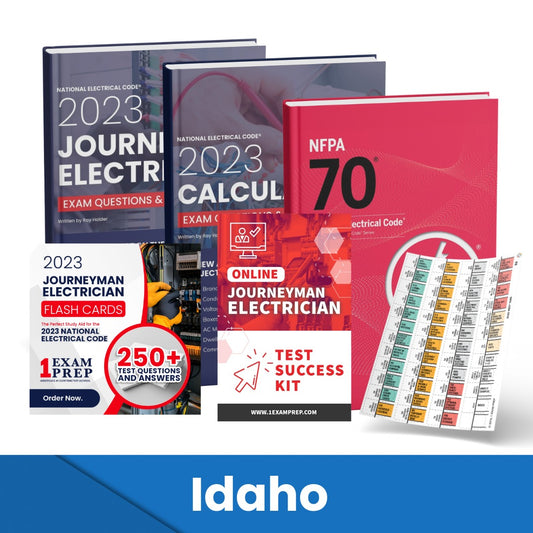
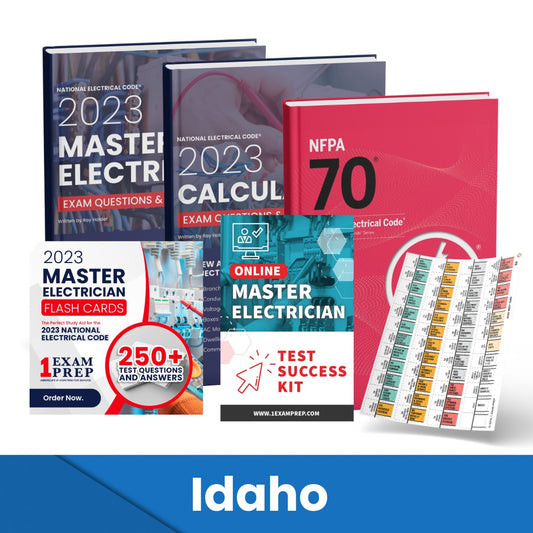
An ultimate exam-prep package may combine a codebook, practice questions, online lessons, highlighted or tabbed references, application assistance, or additional support. These items depend on the individual product. The word 'ultimate' is a marketing label, not a standardized list of services.
Before checkout, make a plain checklist for books, ownership or rental, course duration, tutoring, live classes, deposits, and shipping. Read the exact listing for the product you plan to purchase. Do not assume all ultimate bundles share the same inclusions.
Understand rental books and refundable deposits
Some preparation packages supply highlighted and tabbed reference books as rentals. A refundable deposit may be collected and returned under the stated conditions after books are sent back. Other packages sell books outright. The upfront total and the cost you ultimately keep are not always the same.
Compare the product's rental terms, return deadline, book condition requirements, and shipping responsibility. If you want a permanent code reference for work after the exam, check whether the book remains yours or must be returned.
Why a current codebook matters
Electrical rules develop as new technology, equipment, and safety concerns appear. The 2023 NEC is a major published edition, but some requirements and article organization change in later code cycles. Study aids based on an earlier table or exception can send you to the wrong answer on a newer exam.
Mark your practice questions by code edition, not just subject. A question that references 2023 text should be checked before applying it to a 2026 NEC examination. Never silently substitute one edition for another.
Build a map of NEC chapters and articles
The NEC is designed as a technical reference, not as a novel to read from first page to last. Definitions, wiring methods, services, overcurrent protection, motors, equipment, and special occupancies are organized across many locations. Learning the map helps you find answers under time pressure.
Practice naming a subject before you open the index. Then locate the article, read the relevant sections and exceptions, and verify that the installation condition matches the question. Good navigation is a skill that improves with repeated use.
Study electrical definitions and basic theory
Terms such as conductor, feeder, branch circuit, service, grounded conductor, and equipment grounding conductor carry precise meaning. Exam writers can change a question by using one term instead of another. Theory also supports the math behind circuit behavior and equipment sizing.
Create flashcards with a simple definition on one side and an installation example on the other. Instead of memorizing a word alone, describe where you would encounter it on a real job.
Practice conductor sizing
Conductor sizing involves load, insulation, ambient conditions, installation method, number of current-carrying conductors, termination limitations, and overcurrent protection. Picking a wire size from memory without the right conditions is risky in both study and field work.
Make a worksheet that records all the conditions supplied in the problem. Identify the correct ampacity table and any adjustment or correction. Explain what would change if the cable were installed in a hotter location or different raceway.
Learn branch-circuit and feeder calculations
Branch circuits and feeders distribute energy to equipment and spaces with different usage patterns. Continuous loads, demand factors, and occupancy conditions may affect calculations. A successful exam response depends on knowing which rules apply and carrying each numeric step correctly.
Work problems from the loads backward to the supplying equipment. Keep units beside each value. Check your final figure against the practical scale of the installation before marking an answer.
Understand services and load calculations
Service questions may combine load classifications, demand methods, conductor ampacity, overcurrent protection, and equipment selection. They often require more reading than a simple formula problem. A candidate who rushes into arithmetic may use the wrong starting values.
Use a small house and small commercial building as practice examples. List the supplied loads, select the approved method for the scenario, and write the governing code provisions. Review where residential and commercial assumptions differ.
Study grounding and bonding
Grounding and bonding questions appear often because safe fault-current paths and equipment bonding matter throughout installations. The exact answer depends on service location, equipment, separately derived systems, and whether a conductor serves a grounding or normal return function.
Draw the relationships instead of memorizing a list. Trace the conductors from service through panelboards and equipment. Label where required connections occur, then use the code to check the drawing.
Know motors and transformers
Motors and transformers bring together electrical theory and equipment-specific requirements. An exam may ask for current, conductor sizing, overload protection, disconnects, or ratings. Not every part is calculated from the same current value, and the correct code table matters.
Make separate practice pages for motor branch circuits, overloads, protective devices, and transformer calculations. State what you are solving for before choosing a formula or reference.
Do not ignore wiring methods and boxes
Raceways, cables, supports, box fill, conductor bending space, wet locations, and protection from physical damage are everyday exam subjects. A rule that seems familiar in a dry indoor setting may change for a rooftop or exterior location.
Read the installation description carefully. Identify the method, environment, and equipment type. Solve the immediate lookup first, then check exceptions and notes before moving to the next question.
Review overcurrent and equipment protection
An overcurrent device must be selected with the circuit, load, and equipment in mind. Some applications have special rules, so a general conductor rule may not finish the problem. The exam can test whether you recognize that another article controls.
For each sample scenario, draw the source, protective device, conductor, and load. Decide what the device is protecting and what rating is being requested. That prevents mixing unrelated calculations.
Understand special occupancies and emerging systems
Hazardous locations, healthcare areas, pools, renewable-energy systems, and energy-storage equipment may call for special rules. A candidate studying only standard receptacles and panels can miss these categories. Code editions may also change the structure of some special topics.
Spend a study session listing the special articles relevant to your exam outline. Classify brief examples, then verify the governing rule in the correct edition. A little map-making reduces the fear of unfamiliar questions.
Use timed open-book practice strategically
Open book is not the same as easy. If you take three minutes to find every article, a timed exam will feel very short. Your goal is to recognize the relevant subject, navigate directly, and interpret the requirement in the context of the problem.
Use a timer for short ten-question drills. Record whether you missed each question through poor navigation, misreading, or weak technical knowledge. Fix the cause rather than simply reading the answer key again.
Learn from every calculation mistake
A wrong numerical answer may come from an incorrect load classification, a missing correction factor, mixed units, or a plain arithmetic error. Treating all of them as 'bad at math' hides the lesson. The remedy depends on the type of mistake.
Keep an error log with columns for subject, wrong assumption, corrected setup, and code reference. Repeat the problem a few days later without looking at the worked solution. That is a better test of learning.
Compare online learning with printed study
Printed references help with code navigation, while online courses can provide lessons, quizzes, and progress structure. Some people benefit from both; others already own the required codebook and need only focused practice. The right package depends on skill gaps and the time before the exam.
Look for a product that supports your weakest subject and permits enough access time. Check whether videos, downloadable notes, instructor contact, or simulated tests are actually included before relying on them.
Check application support and retake policies
Prep packages may include application service, but the state still determines eligibility and issues exam authorization. A guarantee or retake policy from a seller is also separate from the testing provider's own retake rules and fees. Read the terms instead of relying on a headline.
Make two folders: one for vendor purchases and course access, another for agency applications and exam notices. If anything changes, you will know whom to contact and which confirmation to use.
Create a four-stage study schedule
Start by confirming the code edition and taking a diagnostic quiz. Next, study the major code areas with guided lookup drills. Then work increasingly mixed technical and calculation questions. Finish with timed simulations and review of recurring errors.
Make the schedule realistic for your job. Consistency beats a last-minute attempt to read an entire reference. A good plan should tell you what to do tomorrow without requiring a new burst of motivation.
Plan beyond the exam and keep your references useful
Passing an electrical examination is one step toward a credential, and some licensing paths still require experience verification, business filings, insurance, or fees. Old study notes can remain helpful for understanding principles, but the enforceable code in the field is the one adopted by your authority having jurisdiction.
After licensing, update the calendar for renewals and code changes. Keep the edition and source of each reference clear. Professional electrical work requires continuing attention to the rules, not a one-time memory test.
Helpful books, courses, and official resources
Compare the listed study resources with the official agency or testing information before ordering. A product page explains what a package offers, while the licensing authority decides which books and exam rules are current.
Action checklist before test day
- Write the exact electrician license, state, and test date.
- Confirm the NEC edition required by that exam, not simply the newest edition.
- Compare books, course duration, practice tests, rentals, and support included.
- Use the matching NEC for code navigation and calculations.
- Practice mixed timed questions and log the reason for each mistake.
- Check test-room reference restrictions and identification.
- Keep licensing and renewal obligations separate from prep-package purchases.
Frequently Asked Questions
Conclusion
A 2023 Electrician Ultimate Package can be a useful study tool, but only when it matches the examination you actually need to take. The words '2023' and 'ultimate' can make a product sound complete and current, yet neither word tells you the license category, the approved NEC edition, or the testing provider's requirements. A journeyman exam in one jurisdiction may have a different reference cycle from a master exam somewhere else. Start by naming the exact license, state, examination, and date. Then use the official bulletin to decide whether the package belongs on your shopping list.
The year in the title is most important as a code-edition clue. The 2023 National Electrical Code remains an important reference, but NFPA has published a 2026 edition, and some states have moved to it. Texas, for example, adopted the 2026 NEC in September 2026. That does not mean every jurisdiction did the same thing. It means students need to check rather than guess. If your exam requires a newer or older edition, study with that edition. Code changes can affect wording, organization, tables, and the correct answer to a practical electrical question.
A package also deserves a careful look at its contents. Some combine physical books, highlighted or tabbed references, online classes, practice exams, rental arrangements, and application services. Others are much smaller. Compare exactly what you receive and how long access lasts. Ask which books must be returned and whether a deposit applies. If you already own the approved NEC, an online course or targeted practice set might provide more value than another copy of the same book. The best package is one that solves your actual study problems, not the most expensive set you can find.
Technical preparation still takes work after the box arrives. Learn the organization of the code and practice finding rules about branch circuits, feeders, services, conductors, grounding and bonding, overcurrent devices, motors, wiring methods, and special locations. Add calculation practice with clear steps and units. Use timed question sets to find weak areas, and review the reason for each mistake. Open-book exams reward familiarity with the reference and careful reading, not random page flipping. Study questions built around real installations help turn code language into decisions you can understand.
Finally, remember that a study package is not a license, an appointment, or official approval to test. Eligibility, exam fees, permits, experience documentation, and license issuance belong to the applicable authority. Review test-room rules for acceptable book bindings, tabs, notes, and calculators before you arrive. When your exam is complete, continue through the agency's licensing steps and keep track of renewals and adopted code changes. The most practical next move is to verify your exam edition today, compare the package details, and schedule a focused first study session. Reliable preparation is built one correct decision at a time.
An extra minute spent checking the official book list can prevent many hours of preparing with the wrong edition. Make verification your first study habit.
Key Takeaways
- The 2023 NEC is an edition of a code, not a universal electrician license examination.
- Check your jurisdiction and exact exam before selecting a 2023 study package.
- Ultimate packages vary in books, rentals, courses, service support, and access periods.
- Prioritize code navigation, calculations, and mixed timed practice over passive reading.
- Verify official exam-room rules and licensing steps independently of prep purchases.
Plain-Language Summary
Here is the simple guide to 2023 Electrician Ultimate Packages. These are exam-preparation products, not a license that works in every state. The year usually refers to the 2023 edition of the National Electrical Code. That can be the right book for some exams and the wrong one for others. A good package gives you helpful study materials, but you must first check what the state or local exam actually requires. Start with the full name of your electrician license, your test date, and the testing authority.
The code year matters. The National Electrical Code changes from one edition to another, and different places adopt new versions at different times. The 2026 NEC exists, and Texas adopted it for state electrical requirements in September 2026. That does not make a 2023 book useless, but it means a Texas candidate should not assume a 2023 package matches the current examination. Always compare a product description with the official candidate bulletin. If the editions differ, get an answer before buying.
Next, look at what the package includes. It may offer books, online lessons, practice tests, tabbed references, or application help. Some books may be rentals, and some packages collect refundable deposits. Check how long the online course remains available. Find out whether any books must be sent back after your exam. A package that sounds like a great deal might be less useful if it includes the wrong codebook or expires before you can finish studying. Choose the features you will actually use.
Then build a study plan. Learn the basic NEC layout, the meanings of common electrical terms, and where to find rules for circuits, conductors, services, feeders, grounding, bonding, and protective devices. Study motors and special installations if your exam includes them. Practice calculations slowly at first, with units written beside each number. Work timed quizzes when you are ready. When you miss a question, write down whether you searched the wrong place, overlooked a condition, or made an arithmetic mistake. Fixing the cause is how practice improves your score.
Before test day, check which reference books, tabs, notes, calculator, and identification your provider allows. A prep product does not register you for the state exam or prove you are eligible for a license. Those decisions belong to the licensing agency and testing provider. Keep your receipts, course details, application notices, and exam instructions organized. The best way forward is not complicated: verify the correct NEC edition, choose a package with the right contents, study in regular sessions, and complete every official step after the examination.
A final shopping tip: make a short comparison sheet before you order. Write the NEC edition, license level, number of books, ownership or rental terms, online access length, and total amount due for each option. Put a question mark beside anything the listing does not explain. Read the full terms and ask about missing details. A clear comparison takes only a little time and is often much more useful than choosing the package with the loudest sales headline.