





PROV Contractor Exam Prep Courses: Find the Right Business, Law and Trade Study Plan
PROV is an examination provider, not one single contractor license. Its testing programs can support different trades and different licensing agencies, so a course that matches one state may not match another. That little difference causes big headaches when applicants buy a book bundle based only on the word PROV. This guide explains how to choose a suitable course, study from the right references, and handle the licensing steps that come before and after the exam.
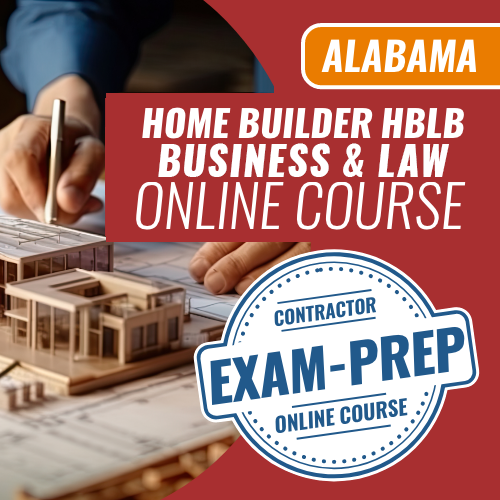
Start with the 1 Exam Prep PROV courses collection. The collection is a place to compare training options; your state board, county authority, or other licensing office establishes the credential and accepted examination. Read the current candidate bulletin before making a purchase.
Understand what a PROV course actually prepares you for
PROV provides testing services for different licensing programs. A Business and Law examination, a building contractor trade examination, and an electrician examination are not interchangeable simply because the testing vendor is the same. The licensing authority chooses which test an applicant needs.
Write down the exact examination title, state or county, trade class, and exam code from your approval notice. Match every part of that description to the course listing. If the provider's name matches but the jurisdiction does not, keep looking before you buy.
Put the exam name and jurisdiction at the top of your study binder so you never confuse related study tracks.
Separate trade knowledge from Business and Law
A trade examination may address building methods, technical codes, installation practices, calculations, and safety. Business and Law focuses on the duties of running a contracting operation, such as contracts, workers, project records, and regulatory compliance.
Some licensing routes require both components, while others use different exams or exemptions. Do not assume a general contractor course includes a separate business examination. Compare the official parts list with the contents of the chosen package and create a separate study plan for each required test.
Make a two-column list of topics and mark which examination would be expected to test each one.
Verify the licensing authority and jurisdiction
A contractor may apply through a state board, a county office, or another agency with its own standards. The same trade name can mean different permitted work depending on the legal location. An exam pass report does not replace an application approval.
Check the issuing agency's website for age, experience, education, insurance, financial responsibility, and business-registration requirements. Note which prerequisites must be completed before scheduling and which follow testing. Save a dated copy of the instructions in case they change during your preparation.
Create an application timeline with separate milestones for approval to test, exam day, and license issuance.
Read the current candidate information bulletin
Candidate bulletins often explain the exam format, reference list, prohibited items, appointment rules, scoring, and rescheduling policy. Those details matter as much as the course title. An old online article may describe an earlier version of the examination.
Find the official document for your precise exam rather than using a bulletin from a nearby state. Record the length, question count, and passing requirement only after verifying them. If the provider revises the permitted code years, update your books and practice exercises accordingly.
Build a one-page exam specification sheet and attach the latest official reference list.
Learn to navigate approved reference books
Many contractor tests involve technical or business references. When an exam allows books, fast navigation can save valuable time. But the word open book does not mean any printed or electronic material can enter the test room.
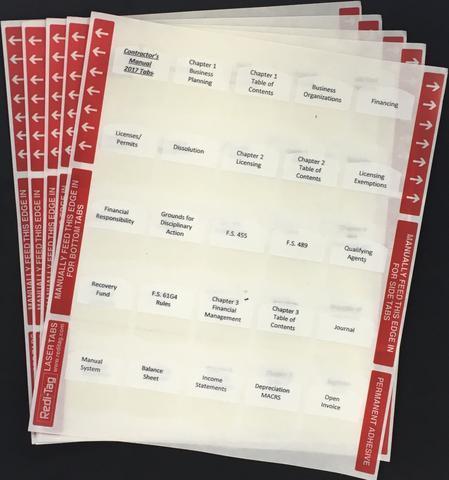
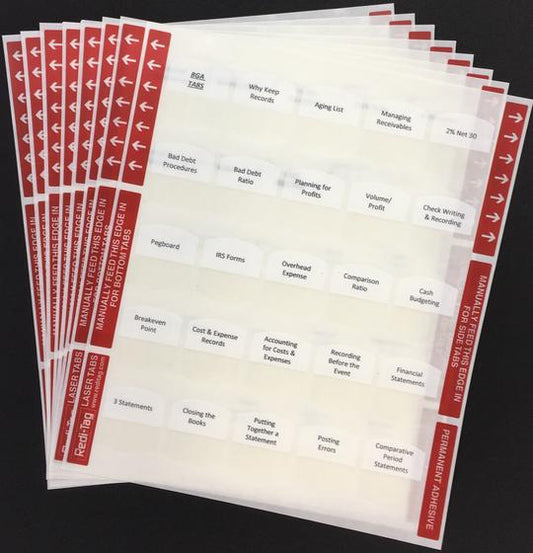
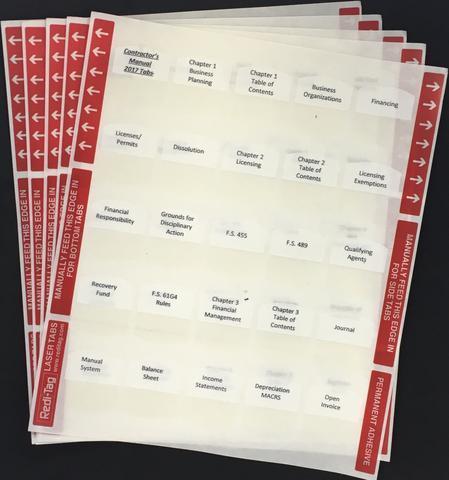
Confirm which editions, tabs, highlights, indexes, and handwritten notes are permitted. Practice identifying the type of rule involved, choosing the right book, and finding the controlling section. A good index search beats flipping pages at random, especially when several similar terms appear in different chapters.
Time a series of lookups and write down which titles or tables you keep confusing.
Compare online courses, books, and study packages
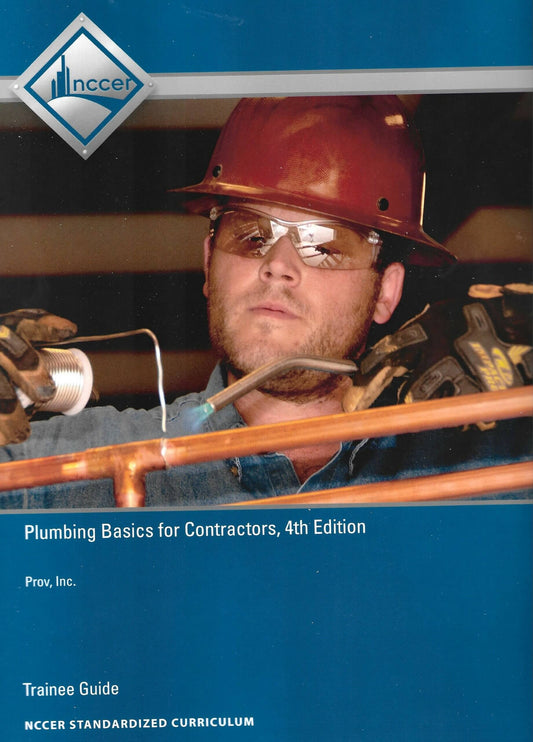
A self-paced online course can help with explanations, practice quizzes, and study structure. A reference book package can help you work directly with approved source material. A larger bundle may offer both, but the details vary by product.
Before paying, look at the edition, access duration, printed-book inclusion, shipping, return conditions, and available assistance. Avoid buying an attractive package that uses the wrong state edition. Compare total costs instead of judging only the first price shown on a listing.
Write down what you already own and what is missing, then choose the smallest suitable set that covers every official reference.
Use a diagnostic quiz to set priorities
Begin with a short mixed quiz before building a long schedule. The purpose is not to prove you already know everything. It is to discover which subjects need more attention. You may be strong in field procedures but rusty on contract accounting, or the other way around.
Sort incorrect answers by subject and mistake type. Mark whether you misunderstood the concept, selected the wrong reference, made a calculation error, or overlooked a word in the question. Use that record to allocate study time intelligently.
Set three measurable weekly goals based on the results, not on the number of pages in the first chapter.
Study contractor licensing and administrative obligations
Business and Law topics commonly involve the legal responsibilities of a person or company offering contracted work. Depending on the exam, candidates may need to understand the relationship among personal credentials, company registration, qualifying agents, and compliance records.
Learn the purpose of licenses, renewal deadlines, required records, and regulator notices. Do not memorize a rule from another jurisdiction because a friend says it appears on every test. Find the relevant statute or business guide for your actual licensing program.
Write a short scenario about a company changing its qualifying person and identify the questions to ask the licensing board.
Understand contract documents and change orders
Construction projects begin with agreements about scope, price, schedule, materials, and responsibilities. Small differences between a bid and a final contract can create big disputes. A change order should explain what changed, how much it costs, and whether the schedule moves.
Practice reading a sample clause and identifying missing details rather than just memorizing definitions. Know why written authorization and good communication matter when site conditions differ from the original plan. The specific legal requirements depend on the state and contract.
Draft a sample change order for unexpected concealed damage and list the documents the contractor should keep.
Review estimating, budgeting, and basic accounting
A contractor must know whether a job is likely to make money after labor, materials, equipment, insurance, overhead, and taxes are considered. A large contract amount can still produce an unhappy bank account when the estimate misses critical expenses.
Study simple gross profit, markup, margin, and cash-flow examples. Learn how invoice timing and unpaid change orders affect working capital. If your exam reference includes financial statements, practice reading basic income and balance-sheet information without mixing revenue and profit.
Calculate a small job estimate twice: first with direct costs only, then with overhead, contingencies, and the target profit.
Understand bonds, insurance, and risk allocation
Contractors may encounter liability insurance, workers' compensation, performance bonds, payment bonds, and other forms of financial protection. These instruments are not interchangeable. One may protect against a particular financial default while another addresses covered claims.
Use your actual business-and-law reference to identify which documents a contract or licensing agency requires. Know the role of exclusions, coverage limits, and certificates. Do not assume that a certificate of insurance proves every possible loss is insured.
Make a comparison chart describing the basic purpose of each common insurance or bond category.
Know construction lien and payment procedures
Payment disputes are easier to avoid when contractors understand notices, records, and deadlines. Lien rules are especially jurisdiction-specific, so it is dangerous to carry a filing deadline from one state to another. Missing a required notice may change the available remedy.
Learn which information a good payment record contains: contract, approved changes, invoices, delivery evidence, and communications. Study the official reference to understand notice recipients and timing. Treat legal deadlines as exact and verify the current law.
Create a hypothetical payment timeline and mark each point where a notice or document might be required.
Practice jobsite safety and supervision
Contractor examinations may evaluate the ability to recognize hazards, assign responsibilities, and maintain safe work. Familiar equipment is not harmless equipment. Falls, excavations, electrical exposure, lifting operations, and chemical hazards all deserve careful planning.
Learn the basic hierarchy of controls and the role of training, inspections, and personal protective equipment. Understand that OSHA requirements apply through real regulations, not whatever a practice question happened to say. A safety plan should be usable on site, not just on exam day.
Write a short pre-task briefing for a job involving a ladder, power tools, and material delivery.
Understand hiring, payroll, and workforce records
Running a company introduces duties beyond supervising physical work. Hiring, wage records, taxes, classifications, employee documentation, and workplace rules can all enter business-and-law exam content when named in the official outline.
Learn how to recognize the difference between employee and independent contractor questions, and why a label alone does not determine legal status. Practice basic payroll and labor-cost calculations. Always check jurisdictional and federal requirements rather than copying a generic form from the internet.
Build a sample labor-cost worksheet and identify which records would support the company's reported hours.
Read plans, specifications, and building-code questions
PROV trade exams may use drawings, technical standards, and building codes. A general contractor course will emphasize different details from a mechanical or electrical course. Read the exam outline to decide which code sections deserve your attention.
Practice interpreting dimensions, symbols, construction notes, and schedules. When a drawing conflicts with a written specification, identify the contract question and the process for seeking clarification. Do not add information to an exam scenario that the question does not provide.
Choose one small construction drawing and explain its material, dimension, and inspection requirements.
Develop arithmetic and unit-conversion speed
Exam calculations often become difficult because a candidate skips units or uses the wrong quantity. Area, volume, board feet, concrete quantities, load values, percentages, and money calculations may appear depending on the selected test.
Work problems by writing the known values, the desired unit, the formula, and the result. Check whether a question asks for net material, waste allowance, or total purchase quantity. Learning a consistent process is more reliable than remembering one answer from a practice test.
Complete five conversion problems, then explain how a decimal-place mistake would affect a real estimate.
Use practice tests as feedback, not as an answer bank
Practice questions are most valuable when they teach the reasoning behind an answer. Memorizing option C without knowing why it is correct creates false confidence. A slightly changed scenario can make that memorized answer useless.
After a quiz, look up the rule or concept behind each missed question. Record the source, the error, and the reason other options fail. Mix old and new subjects in later sessions so you can retrieve information without seeing the chapter heading first.
Choose a missed problem and rewrite it with one changed fact that produces a different correct answer.
Build a study schedule around your working life
Many applicants prepare while managing jobs, crews, or family responsibilities. The best study plan is not necessarily the longest one; it is the one you can follow. Short sessions with clear goals often beat a giant weekend cram session.
Use separate blocks for reading, practice questions, reference lookups, calculations, and review. Schedule a full mock exam only after you have learned the major topics. Leave room to revisit weaknesses rather than finishing every chapter once and assuming the work is done.
Create a four-week calendar with two short weekday sessions and one longer weekend review session.
Check scheduling, identification, and accommodation rules
The final week should include administrative review. Confirm your test authorization, appointment time, location or remote-testing requirements, identification, acceptable calculator, permitted books, and check-in procedure. These details come from the current official testing instructions.
If you need approved accommodations, arrange them through the stated process ahead of time. Verify cancellation and retake policies rather than trusting old forum posts. A carefully planned exam day can prevent an avoidable administrative problem from derailing months of study.
Write a one-page test-day checklist and confirm every item directly with the examining authority.
Finish the licensing process after a passing score
Passing a PROV examination is an achievement, but it does not automatically grant authority to perform regulated contracting work. The issuing board may still require experience records, insurance, financial documents, background checks, fees, or business qualification.
Keep the score report and complete each remaining application step. Wait for the proper credential before advertising yourself as licensed. Once approved, add renewal deadlines, continuing education, and any qualifying-agent obligations to a calendar. Good preparation continues after the test.
Create a post-exam folder with the score notice, agency correspondence, license number once issued, and renewal reminders.
Study resources and official verification
Use the collection link to compare prep options and the official authority or testing site to verify current examination and licensing requirements. Product descriptions explain shopping options, but they do not issue licenses or override a current candidate bulletin.
Your practical next-step checklist
- Confirm the exact credential and authority.
- Verify the current examination code and reference editions.
- Check experience, application, and business requirements.
- Select matching books and online course options.
- Schedule technical reading, timed practice, and mistake review.
- Confirm all test-day restrictions and identification.
- Finish the licensing process after testing and track renewal dates.
Frequently Asked Questions
Conclusion
Choosing a PROV course is easier when you understand that PROV is a testing provider, not a single contractor credential. A person preparing for a county Business and Law test does not necessarily need the same material as someone preparing for a state electrician or general contractor examination. The label on a collection page is a place to begin browsing, not proof that a course fits your application. Start with the licensing authority's instructions. Write down your exact exam title, jurisdiction, exam code, and permitted reference editions. Those details should guide every later purchase and study session.
The second step is separating technical learning from business responsibilities. Trade exams may focus on codes, installation choices, drawings, safety, and calculations. Business and Law content often deals with contracts, estimates, licensing duties, payroll, insurance, payments, and project records. Some programs require both subjects, while others use a different structure. Do not assume that buying one course gives you every examination component. Compare the official requirements against what the product actually includes. A simple checklist can help you avoid paying twice for the same book or forgetting a required test altogether.
Study from the books and rules that apply to your own program. A statute or lien procedure from one state may be dangerously wrong in another. Likewise, an outdated technical code can change the result of a multiple-choice question even though the general concept sounds familiar. If the exam permits references, practice finding information in the authorized edition. Learn the index, headings, and exceptions. A book can be sitting right beside you and still be useless if you cannot locate the rule before time runs out. Good navigation is a trainable skill.
Make calculations and case studies part of the routine. A contractor might need to estimate material quantities, calculate markup, understand cash flow, recognize a safety obligation, or interpret a contract change. Use realistic sample problems with all units shown. Work through the reasoning before checking an answer. When you get something wrong, identify whether the problem was the rule, the arithmetic, the book lookup, or the wording. Write a short note and revisit the concept later.
Your preparation calendar should fit around work, not fight against it. Begin with a diagnostic set of questions and place weaker subjects early in the schedule. Alternate reading, exercises, and timed mixed quizzes. Leave room to review old topics so you do not forget what you learned three weeks earlier. Confirm test-day identification, allowed materials, appointment details, and accommodation rules directly with the testing provider. A smooth exam day starts with accurate administrative information, not a last-minute search for a misplaced approval email.
Finally, passing an examination is only one part of becoming authorized to contract. The licensing office may still require verified experience, fees, insurance, a qualifying person, company registration, or other documents. Keep copies of everything you submit and wait for the credential to be issued before advertising licensed services. After approval, track renewal dates and continuing education. A sensible next step today is to compare your official exam bulletin with the PROV course listing, choose the correct references, and complete a short practice session. Careful preparation makes the process clearer and much less mysterious.
Key Takeaways
- Match each PROV course to the exact examination, licensing jurisdiction, and accepted reference editions.
- Separate Business and Law preparation from technical trade study when your licensing route requires both.
- Compare course features, printed books, access length, and actual package contents before paying.
- Use diagnostic quizzes, timed reference lookups, calculations, and an error log for focused study.
- Complete all licensing applications and approvals after the exam before performing regulated contracting work.
Plain-Language Summary
PROV courses can help people prepare for different contractor and trade examinations, but the correct course depends on where they are applying and which exam the licensing authority requires. Start with the official instructions, not the first product title that appears in a search. Write down the trade, exam code, state or county, book editions, and exam date. Check whether your application requires a Business and Law examination, a trade examination, or both. The testing provider administers exams; the licensing authority decides whether you qualify to receive the credential.
Business and Law preparation is different from technical study. It may include contracts, project records, insurance, bonds, payment rules, taxes, employees, and basic accounting. A trade course might instead focus on equipment, building codes, plans, safety, and calculations. Use the official content outline so you do not spend weeks studying the wrong subject. Avoid borrowing legal rules from another state. Even common terms, such as construction lien and qualifying agent, can have specific meanings and deadlines under the law that applies to your license.
Choosing study materials is another important step. Some packages offer online lessons and practice questions, while others focus on physical reference books or a combination of both. Check what is actually included before you buy. Verify online access length, book editions, shipping, and refund policies. A costly package is not necessarily better if you already own half its books. On the other hand, a course that explains difficult topics can help someone who has strong field experience but has not taken a written test in years.
Make a study schedule that is easy to repeat. Begin with a short diagnostic quiz, identify weak areas, and assign them dedicated practice time. Read actively, solve example problems, and test yourself without immediately looking up every answer. If the test is open book, use the exact references that are permitted and learn to find rules quickly. Keep an error log for missed calculations, wrong code sections, and questions you misread. Review those mistakes a few days later. Small sessions that happen regularly can build stronger understanding than a long, rushed cram session.
Before testing, confirm the appointment, required identification, approved books, permitted calculator, check-in procedure, and rescheduling rules. After the examination, keep the score report and follow the remaining steps set by your licensing office. Passing does not automatically mean you may start performing regulated work. You may still need experience documents, business registration, insurance, fees, or final approval. Once you receive the credential, record its renewal requirements. The goal is to study for the right exam, use reliable information, and complete the legal process properly instead of relying on rumors or outdated course descriptions.
You do not need a perfect study desk or endless free time to begin. Set a practical target for this week: verify the current exam bulletin, choose one useful reference, and answer a short set of questions. When you know why an answer is correct, explain it in your own words. That habit turns a collection of books and courses into skills you can use during testing and throughout your contracting career.