





Broward County Contractor Licensing: Exam Prep, Requirements, and Renewal Guide
Getting ready for contractor work in Broward County, Florida, starts with a question that sounds simple but can save a pile of trouble: which license or renewal requirement actually applies to your trade? The answer matters because a general contractor, a specialty contractor, and a state-certified contractor may follow different paths. There is no single exam called 'the Broward County exam' that covers every trade and business.
This guide explains how to choose your path, check county and state requirements, prepare for relevant tests, and stay organized with continuing education. Begin at the 1 Exam Prep Broward County collection to explore study and renewal resources. Then use the Broward County Building Code Division and Florida DBPR construction licensing guidance for rules that govern your actual credential. Think of the product page as a helpful map, not a replacement for the licensing office.
Important current-rule check: Florida law limits certain local specialty licensing requirements. Some formerly required Broward County categories no longer qualify as prerequisites for permits. This does not remove applicable state licensing, permit, insurance, or municipal requirements. Confirm your exact work scope with Broward County Building Code, Florida Statutes section 489.117, and the city issuing your permit.
Start by identifying your license category
The most important first step is to name your trade and the exact credential you are seeking. Broward County's contractor licensing system addresses multiple categories and specialty areas, including work related to building, electrical, mechanical, plumbing, and other construction services. Every category can have its own scope, experience standards, exam expectations, and application documents.
Write down the full license name rather than simply 'contractor.' Then ask whether the work you plan to offer is permitted within that scope. A general building contractor, a roofing specialist, and a mechanical contractor should not buy the same study materials just because they all use a ladder now and then.
Understand local licensing versus state certification
Florida distinguishes local or state-registered contracting credentials from state-certified licenses. A state-certified contractor generally holds statewide authority for the approved category, while a registered contractor's practice authority is tied to the locality and applicable registration rules. The exact scope and permission to work should always be checked with the licensing agencies.
Use the DBPR construction industry FAQ to learn the difference. Then check Broward's current requirements.
Check which county rules are current
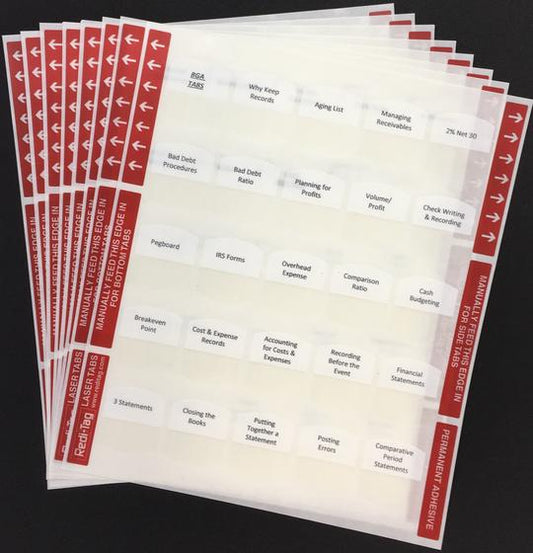
Broward County's construction-related local rules include Chapter 9 of the county Code of Ordinances. It addresses important licensing concepts such as contractor status, certificates, applications, and related obligations. But requirements can be amended. A printed study tab sheet or an older exam table is useful history, not proof that every rule is unchanged today.
Start with Broward County Building Code Division's current contractor licensing information. Note the form revision date, application category, renewal cycle, and agency contacts.
Verify whether an examination is required
Not every Broward County applicant follows an identical exam. Depending on credential type, exam requirements may involve trade knowledge, business knowledge, or other assessment steps. A county exam list may show many different category codes, question counts, and time limits. Those details cannot safely be copied from one trade to another.
Find your exact category in the latest official application instructions and the testing provider's candidate bulletin. Ask whether approval is needed before scheduling, which tests are required, and which reference books are authorized.
Map your application documents early
Contractor applications often require more than a test result. Depending on the pathway, the agency may request a completed form, experience affidavits, financial or credit information, insurance details, business documents, and other supporting records. Collecting these items can take longer than finishing a study chapter.
Build separate folders for identification, experience, business formation, insurance, exam correspondence, and fees. Review the current application checklist in the order the licensing office requests.
Keep experience records accurate
Some construction license categories require documented practical work experience, and the amount and type vary by category. A broad claim such as 'I have worked in construction forever' is not as useful as dates, job duties, employers, license numbers, and signed verification that matches the agency's criteria.
Create a timeline of your relevant projects and roles. Separate supervision, hands-on work, and unrelated job duties when the application asks for specific experience.
Understand business and finance preparation
Many contracting examination paths include business topics as well as technical trade work. You may need to understand contracts, estimating, project records, payments, insurance, workplace responsibilities, and financial controls. A contractor can know how to build something safely yet still struggle with paperwork that keeps the company running.
When a business exam applies to your pathway, study it as its own subject. Review the approved book list and practice navigating provisions about contracts, employment, and financial records.
Focus trade study on the approved outline
For a trade examination, read the test outline before opening a random code book. A roofing candidate may need attention to roof assemblies and weather exposure, while an electrical candidate studies services, wiring methods, and protection. Mechanical, plumbing, and building exams have different technical concerns. Even related trades can use different reference editions.
Create a topic checklist using the current bulletin for your particular test. Mark each section as comfortable, needs review, or new to me.
Use Florida Building Code references correctly
Construction questions frequently connect field conditions to the Florida Building Code and referenced standards. The exact book or edition depends on the examination and license category. Codes change over time, and local requirements can affect construction work. Buying the newest edition without checking the approved list is not automatically the right move.
Practice finding a requirement by subject, chapter, table, and defined term. Compare the text with a small job scenario.
Prepare for wind and coastal construction concerns
Broward County projects can involve high wind exposure, demanding weather conditions, and structural protection details. Depending on the trade, approved plans and code requirements may address wind-resistant fastening, openings, roof systems, product approvals, or other building protection measures. Do not assume every exam emphasizes these items equally.
If your exam outline covers wind-related subjects, use examples based on actual approved documents rather than guessing from a storm headline. Learn which conditions determine the applicable requirement. For work in the field, follow the latest adopted code, project documents, manufacturer instructions, and permitting authority decisions.
Read permits and inspection steps as a process
A contractor needs to understand how permits, approvals, and inspections fit together. Work may require permits before the job begins and inspections at particular stages. The exact process varies by project, municipality, and scope of work. Passing a licensing exam does not replace project permitting.
Draw a simple process from contract and plans to permit, installation, inspections, corrections, and closeout. Label the responsibility at every stage. Then practice asking what changes if a project is inside a city instead of an unincorporated area.
Know the limits of a contractor's scope
A license covers certain work, not every construction task a customer might request. Doing work outside the approved scope can create serious problems for permits, insurance, contracts, and enforcement. Specialty categories deserve particular attention because their names can sound broader than their legal definitions.
Compare the stated scope of your target category with three imaginary customer requests. Which jobs are clearly inside the scope, which are outside, and which require an agency clarification? Make a habit of checking before you promise work.
Learn contract and customer communication basics
Good contracting depends on clear written agreements and realistic communication. Owners need to understand the scope of work, cost, schedule, payment terms, and what happens when conditions change. Contractors need records that show what they promised and what they completed. These topics may also appear in business examination material.
Practice reviewing a fictional estimate for missing details. Is the trade scope described? Are allowances explained? Is the schedule reasonable? Does the agreement say who handles permits? Specific rules depend on the applicable laws and approved references, but careful reading is a useful habit.
Review workplace safety and workers' compensation
Job-site safety and workers' compensation responsibilities matter to both licensing and ongoing business operations. The exact legal duties depend on the business, workforce, license type, and applicable law. Contractors should understand how injuries, insurance, training, and job-site practices connect to business risk.
For study, list the hazards most common in your own trade: falls, electricity, excavation, lifting, heat, or moving equipment. Then connect each hazard to the safe planning and documentation topics that belong in your official course or reference materials. Avoid assuming a general safety tip is the same thing as satisfying a legal requirement.
Understand Broward County continuing education
Broward County offers a separate renewal concern for certain local construction license holders. The Broward County four-hour online continuing education package describes a four-hour course covering Broward Chapter 9, successful business practices, workers' compensation, and workplace safety. Its product information identifies the four-hour requirement for Broward construction specialty contractors on a two-year renewal cycle.
Your own license category and current status control what education you need. Verify with the county whether the four-hour requirement applies, whether a course is approved, and when proof must be submitted.
Distinguish state CE from county CE
Florida contractor continuing education requirements can overlap with local renewal programs, but overlapping topics do not always mean a single course satisfies every requirement. The DBPR Construction Industry Licensing Board has state-level requirements for affected credentials, while Broward has specific local obligations for certain contractors.
Before enrolling, write down every license number you hold and the renewal deadline for each. Compare the state course list and county instructions with what the training provider states it covers. Keep separate copies of completion certificates when different agencies require documentation.
Select study courses and books thoughtfully
The Broward County 1 Exam Prep collection is the place to compare related resources for the area. Check whether each listing offers a trade course, printed references, business education, continuing education, or another kind of support. A renewal course is not a trade licensing exam, and a printed book set is not a license approval.
Look for exact exam names, code editions, included materials, delivery methods, access periods, and any required prerequisites. If a package is missing something your exam bulletin lists, resolve that difference before buying.
Build a realistic weekly preparation schedule
During the first week, confirm your category, eligibility, exam provider, and approved references. Review the outline and take a short diagnostic quiz. In the second week, focus on the highest-weight trade subjects and the code sections that are hardest to locate. In the third week, practice business questions or additional technical topics as required by your route.
Use the fourth week for mixed timed practice, error review, and paperwork checks. Give every study session one clear objective. For example, practice reading a building plan, navigating a technical standard, or reviewing a contract provision.
Avoid common exam-day and renewal mistakes
The day before the exam is a poor time to discover you booked the wrong specialty. Verify the provider, test ID, location or remote testing procedure, identification requirements, permitted reference editions, and calculator or tab policies. Test administrators may have different rules, so use the notice for your scheduled exam.
For renewal, check the deadline, outstanding fees, required education hours, and the method for submitting certificates. Do not wait until the final afternoon to learn whether the office needs additional documentation.
Know what happens after passing
Passing a test is a milestone, not necessarily the final permission to advertise or perform licensed work. The responsible agency may still need to review your application, business information, insurance, or other documents before it issues the credential. Follow its instructions rather than assuming the score report completes the process.
Once your license or certificate is issued, save a copy, confirm the approved category, and track renewal duties. For state-regulated work, also check DBPR requirements. For county-regulated work, check Broward's current records and local procedures.
Use a practical action checklist
Broward County preparation becomes much easier when you divide it into three folders: qualification, examination, and renewal. You may not need all three folders today, but you will know where to find the information as your work changes. That beats digging through an old email chain every time someone asks for proof of a course.
- Identify the exact county or state contractor category.
- Verify current licensing and testing rules with the correct agency.
- Match any trade and business examinations with their approved references.
- Confirm whether Broward's four-hour CE applies to your license.
- Keep applications, passing results, certificates, and renewal dates organized.
Frequently Asked Questions
Conclusion
Broward County contractor preparation starts with one choice that shapes everything afterward: identifying the correct license, registration, or continuing education obligation. A person preparing for roofing work may need a very different path from someone handling electrical work, pool service, or a specialty trade. There is no single exam and no single bundle of documents that answers every question. If you begin by naming the exact category and the work you intend to perform, you can spend less time guessing and more time preparing for requirements that actually apply.
The next step is understanding the relationship between Florida and local authority. Florida distinguishes state-certified contractors from registered contractors, and job scope matters in both cases. State law has also limited many local occupational and specialty licensing requirements. Some older Broward categories have changed or are no longer used for permitting. That does not mean every construction job is suddenly free from regulation. A project may still need a state license, building permit, inspection, business tax receipt, or proof of insurance. Treat licensing and permitting as two separate questions that must both be answered.
For anyone who needs an examination, find the current application packet and the testing provider's bulletin first. That official information tells you which trade or business subjects to prepare for, whether preapproval applies, and which books you may use. Study the approved outline instead of collecting every construction manual you can find. If a test covers business practices, give estimating, contracts, records, insurance, and financial responsibilities their own study time. If a trade exam applies, practice with real job scenarios and the specified code editions. Ask how a change in location, material, or work scope would change the correct decision.
Continuing education is another separate task. The linked Broward four-hour course describes topics such as Chapter 9, business practices, workers' compensation, and workplace safety. Certain license holders have been subject to county renewal requirements, and Florida state credentials may have their own education obligations. Keep a record of every license and expiration date you hold. Confirm that the courses you choose will count for the applicable agency, and save completion certificates. Renewal problems are rarely exciting, but they can become expensive when discovered too late.
The best plan is simple and repeatable. Verify your category, confirm the current rules with Broward and DBPR, gather required paperwork, study the correct references, and track follow-up steps after a passing result. Do not advertise work beyond your authorized scope or assume the test result is the license. Broward contractors deal with serious responsibilities involving safety, contracts, weather exposure, and building performance. Good preparation supports those responsibilities by teaching you to check details carefully, maintain clear records, and know when to ask the licensing authority for a definite answer.
One final habit can prevent a great deal of confusion: record the date you checked a requirement and the office or official page that confirmed it. Rules and applications change. A dated checklist is much more dependable than a half-remembered conversation about what another contractor did years ago.
Key Takeaways
- Identify your exact contractor classification before purchasing courses or applying.
- Check current Florida and Broward rules because some older local specialty license requirements have changed.
- Confirm testing, code editions, experience records, insurance, and application requirements for your category.
- Keep Broward continuing education and state DBPR renewal obligations separate until you verify any overlap.
- Remember that licensing, business tax receipts, permits, and examinations can be different requirements.
Plain-Language Summary
Here is the easy-to-follow version of the Broward County contractor licensing and exam preparation guide. First, figure out exactly what construction work you want to do. You might be working in building, roofing, plumbing, electrical, mechanical, or another specialty. Different types of work can have different licensing and testing rules. Broward County does not have one general exam that covers every trade. Before paying for a class or a book, write down the full name of the license or registration you need. Then check which government agency controls it.
Florida has state-certified contractors and state-registered contractors. A state-certified contractor generally can work across Florida within the licensed category. A registered contractor has limits based on local jurisdiction and its registration. There have also been important changes to local specialty licensing. Some older Broward County local license requirements are no longer needed for certain work. But this does not mean permits, insurance, or state licensing are never required. Always describe the complete job when you ask the county, city, or Florida DBPR what applies.
If you need a contractor exam, get the official exam outline and approved reference list. Some paths involve trade questions, business and finance subjects, or both. You might need to study construction codes, plans, job safety, estimating, contracts, or business records. The exact subjects depend on your category. Do not buy books just because the title sounds close to your trade. Check the exam name, book edition, permitted materials, and testing rules first. Practice with the books you are actually allowed to use.
If you already hold a license, continuing education may be more important than a new exam. The Broward County four-hour course available through 1 Exam Prep includes topics such as Chapter 9, successful business practices, workers' compensation, and workplace safety. Certain county construction specialty license holders have had a four-hour, two-year renewal requirement. Florida state license holders can have separate continuing education duties. Find out which rules apply to your particular credential, whether any hours can overlap, and how to submit proof.
Keep your paperwork organized. Save experience records, applications, exam notices, business documents, insurance information, and education certificates in separate folders. Check the licensing and permitting rules with the correct office, since cities within Broward County may handle project permits differently. Passing a test does not always mean you can start advertising as licensed that day. Wait for the proper approval. Your next step is simple: name your category, confirm current requirements, choose matching study materials, and build a plan around the real deadline. Careful preparation can prevent both exam mistakes and licensing trouble.
If you are unsure whether a rule still applies, ask for the current written guidance rather than relying on a friend's old license packet. New rules can change what a county requires, while the nature of your job may still trigger a state requirement. Keep your notes dated. It is a small habit that helps protect your time and your business. Good records help again whenever you renew or update your business.