



1 Exam Prep · Licensing Exam Study Guide
New NASCLA Contractor Exam Prep: Reference Books, Rental Packages and Study Strategies
Preparing for the NASCLA Commercial General Building Contractor examination is not just a matter of reading one construction book and hoping for the best. The exam covers a wide range of commercial construction topics, from sitework and structural materials to management, safety, building codes, and other building systems. Candidates also need to know how to locate information efficiently in a large reference library.
The New NASCLA collection at 1 Exam Prep provides a starting place for exploring study materials, prepared book sets, rentals, and related courses. This guide explains how to choose those resources and turn them into a workable study plan.
One major point deserves attention from the beginning: NASCLA exam acceptance does not create an automatic national contractor license. Participating state agencies still make their own licensing decisions, and additional applications, experience, business exams, and other rules may apply.
What the NASCLA Commercial Contractor Examination Is
The NASCLA Accredited Examination for Commercial General Building Contractors is a standardized trade examination recognized by participating state agencies. It is designed around knowledge used on commercial building projects. Contractors may use accepted NASCLA results to satisfy a trade-exam requirement in more than one participating jurisdiction, subject to that jurisdiction's rules.
The exam is not the same thing as a contractor license, business qualification, or permission to start work. You still apply to the licensing agency for the classification you need. Requirements may include experience, financial records, a state business and law exam, registration, or other conditions.
Think of NASCLA as a possible way to avoid repeating a trade exam, not as a universal pass that opens every construction site gate.
How Participating States and Licensing Rules Work
NASCLA maintains an official list of participating state agencies. Each agency chooses how the accredited exam result fits its licensing process. One state may accept it for a particular general building classification, while another may impose additional limitations or require separate local materials.
Before enrolling, contact the state board where you actually want to operate. Ask which classification recognizes the score, whether you must apply before or after testing, and what state-specific requirements remain. Also ask how to submit an exam transcript.
If you expect to work across state lines, make a separate checklist for each jurisdiction. One successful exam can be useful, but contractor laws do not become identical just because the test is shared.
NASCLA Is Not an Automatic National License
The official NASCLA licensing FAQ is clear: completing the accredited exam is not itself a national license or certification. Passing can address a participating state's trade exam requirement, but it does not remove other conditions that its licensing agency applies.
That distinction matters when planning future work. Insurance, business registration, local permits, qualifying-agent arrangements, and financial rules may still apply. Do not advertise that you are licensed in a new state until the appropriate authority actually grants that license.
For study planning, this means building two lists. One covers the NASCLA examination. The other covers every state application you intend to file after or alongside the exam.
Understanding the Open-Book NASCLA Format
The commercial general building exam is an open-book examination using approved references. That does not mean it is an easy test. You may need to choose the right book, locate a provision, interpret it, and answer before the timer expires. A large stack of unfamiliar books can slow you down more than it helps.
Your first priority is the current PSI candidate information bulletin, which identifies the accepted editions and rules for materials. Learn which book covers each major subject and what kinds of questions send you there.
Practice locating the answer, not just spotting a familiar sentence. Tables, footnotes, and exceptions matter. An open book can help only when you know what you are looking for.
NASCLA Complete Highlighted and Tabbed Book Set
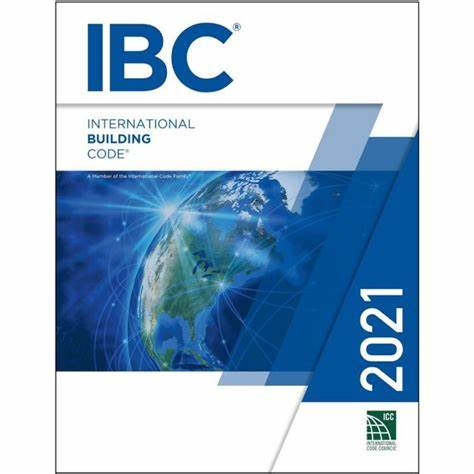
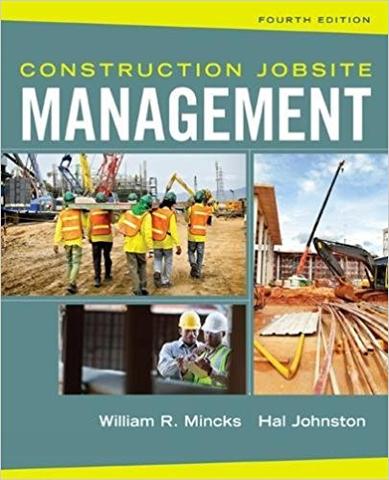
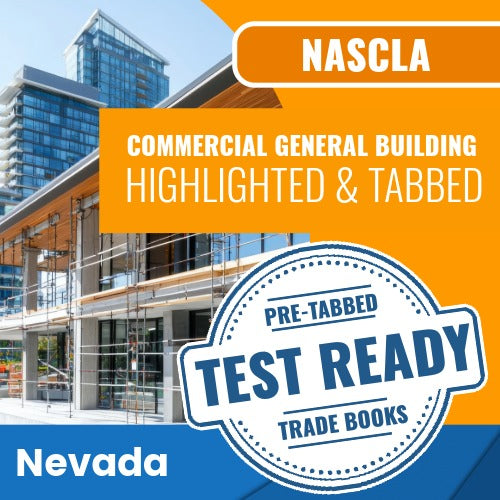
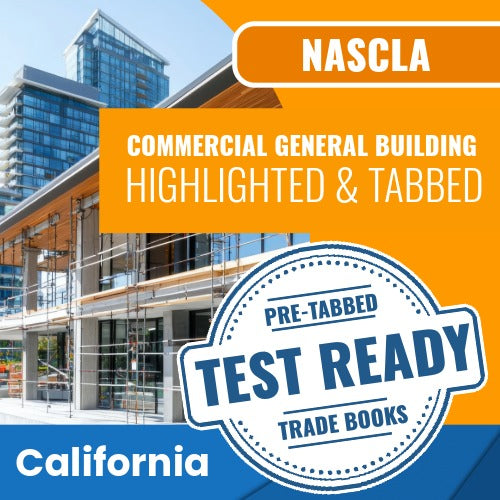
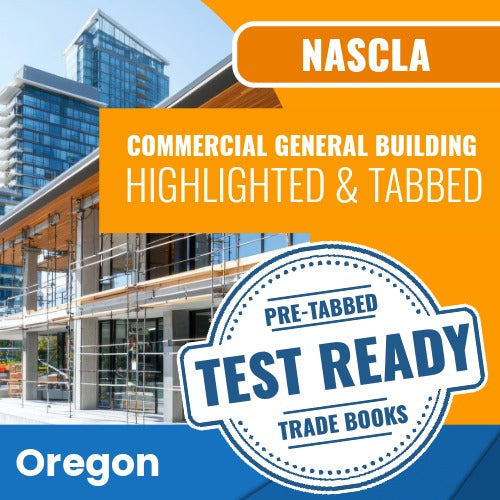
The NASCLA Commercial General Building Exam Complete Highlighted and Tabbed Book Set gathers a broad commercial reference library prepared for study and code navigation. The listing includes construction management materials, concrete standards, safety references, building codes, and specialty construction publications.
Prepared tabs and markings can be helpful while learning where topics live. However, current testing rules always control what markings or additions are accepted in the examination room. Confirm book editions against the official candidate bulletin before making a large purchase.
Organize the set by subject rather than alphabetically. Put management references together, safety references together, and structural or trade references together. This will make repeated practice much more systematic.
Book Rental Options and Refundable Deposits
The NASCLA Commercial General Building Exam Book Rental is an alternative for candidates who need access to many publications for a limited study period. The product lists a reference set, course access, rental timing, a refundable deposit, and optional instruction upgrades. Such arrangements may reduce the need to own every book permanently.
Rental terms are as important as the study content. Check the total initial payment, deposit conditions, return deadline, shipping time, and whether highlighted or tabbed books are included. A refundable deposit still affects the money you need upfront.
Create your study schedule around delivery and return dates. Leaving all the important reference drills until the final rental week is a stressful way to meet your own books.
State-Specific NASCLA Packages
The New Mexico NASCLA Books and Courses Rental and the Tennessee NASCLA Commercial Building Rental Package show why state-specific materials sometimes matter. Each listing combines commercial trade preparation with details relevant to its jurisdiction, such as state business requirements or local reference material.
A state package may not be the right choice for a candidate applying somewhere else. Compare the included books and classes with the official requirements for your intended state. Some applicants need only commercial trade preparation, while others also need separate business or law study.
Ask exactly what portion of the package supports the NASCLA exam and what portion supports a state application. That simple distinction can make a complex product listing easier to understand.
Online NASCLA Contractor Exam Prep Courses
Online preparation can help candidates work through a broad subject list without having to create every lesson from scratch. For example, the Louisiana NASCLA Commercial General Building Online Course describes structured commercial construction review and reference guidance.
Online materials may help with construction management, plan interpretation, structural topics, safety, and the use of the reference library. However, not every online course includes printed books, and access periods vary. Read the product's current inclusions before ordering.
Use the course as a guide, then practice finding the corresponding rule or concept in the official references. A video or quiz is useful; being able to independently locate the answer is the skill that carries into an open-book exam.
Construction Project Management and Administration
Commercial general building work includes planning, scheduling, coordination, documentation, estimating, procurement, and quality control. These subjects can feel different from hands-on field skills, but they affect nearly every project. A licensing exam may ask what should happen when a schedule changes, documentation is incomplete, or work must be coordinated across trades.
Study project phases in order. Think about what happens before a crew mobilizes, during construction, and at closeout. Learn common management terms and practice applying them to short scenarios.
A useful exercise is to describe a recent project from planning through completion. Identify how changes were tracked, what safety checks occurred, and where clear records prevented confusion.
Safety and OSHA Reference Navigation
Safety is a major part of commercial construction knowledge. Candidates may study hazard recognition, fall protection, personal protective equipment, excavations, material handling, scaffolds, and general jobsite controls. Questions can test both practical decisions and the ability to find a standard in an approved reference.
Do not assume every familiar workplace practice matches the exact wording of a regulation. Use the safety reference named in the current bulletin. Pay attention to who has a duty, what conditions trigger a requirement, and where exceptions apply.
Make a short index of major safety themes during study. Then practice looking them up under time limits. The objective is reliable judgment, not memorizing a long series of numbers that you may mix up.
Concrete, Reinforcing Steel, and Structural Systems
The commercial examination can draw from concrete, reinforcing steel, masonry, wood framing, steel decking, joists, and other structural topics. Different reference books address different materials and construction methods, so picking the correct source quickly matters.
Create a reference map that pairs common topics with their main books. For concrete questions, identify which manual or standard your candidate bulletin lists. For wood trusses, know where handling and bracing guidance appears. For masonry or steel, recognize the relevant technical reference before searching further.
Use drawings and photos from your own work when studying basic relationships, but answer exam practice questions from the approved reference and stated conditions.
Building Codes, Accessibility, and Building Systems
Commercial projects also involve building code provisions, accessibility, mechanical and electrical coordination, roofs, exterior assemblies, and other systems. The NASCLA reference list is broad because a general building contractor must understand how the pieces of a project fit together, even when specialists perform the work.
Do not try to memorize every chapter. Learn which book handles which topic and how its table of contents or index is organized. Practice asking, “What kind of rule am I looking for?” before you reach for a reference.
Check each practice scenario for the exact scope of work. A problem about accessibility, for example, may require a different reference from a problem about a structural connection or roof assembly.
Exam Timing and Reference-Book Practice
Open-book preparation should include timed drills. First learn to identify the topic, then identify the reference, and finally locate and interpret the answer. Time only the lookup after you can solve the problem correctly without rushing. A fast wrong answer will not earn more points.
Try short sets that force you to change books between questions. That is closer to the mental work of a broad contractor examination than reading one chapter for an hour. Track which references cost you the most time.
At the end of each session, update a small reference map. Note the topic, the book, and the section you needed. Do not copy full copyrighted passages into your notes. You are learning routes, not building another library.
Prepare for State Business and Law Requirements
A passing NASCLA trade exam may not satisfy a state's business and law testing requirement. Certain jurisdictions require separate coverage of contracts, licensing laws, insurance, accounting, lien rules, or business responsibilities. Those requirements can be different even among participating states.
Check the official agency website and candidate bulletin for the state where you intend to apply. If another test is required, build a separate study plan rather than hoping the trade references happen to cover it.
This helps prevent an unpleasant surprise after the NASCLA examination. A completed trade exam can be a major milestone, but the application process may still have another hill to climb.
A Six-Week NASCLA Exam Study Plan
Use week one to confirm eligibility, collect the current reference list, and organize the books by topic. Week two can focus on management, planning, estimating, and jobsite operations. Week three can review construction materials such as concrete, steel, masonry, and wood. Week four is for codes, accessibility, roofing, and other building systems.
Use week five for safety and timed reference lookups. Week six should bring everything together through mixed practice, weak-topic review, and a check of exam-day logistics. If you are new to commercial references, extend the timeline rather than cramming a whole library into a few evenings.
Plan book drills the way athletes plan practice: repeat them, measure progress, and improve the slowest parts. No hard hat is needed at the kitchen table, but consistency helps.
Choosing the Best NASCLA Prep Format
A full book set suits candidates who want permanent access to the references. A rental package can suit someone who needs the library for a specific period and understands the deposit terms. Online courses can add structure, while state-specific bundles may help when additional local material is required.
First decide which examination you need and which state agency will accept it. Then compare references, editions, access periods, prepared markings, shipping, and return conditions. Do not buy a package simply because the name includes “NASCLA.”
Browse the New NASCLA collection once you have a current reference checklist. A careful match between your exam and your materials beats guessing, even when the guessed package arrives in a very impressive box.
NASCLA Study and Application Checklist
- Confirm which participating state agency accepts the specific NASCLA examination for your classification.
- Use the current candidate information bulletin to verify reference titles, editions, and marking rules.
- Map common exam subjects to the correct reference book before practicing timed lookups.
- Compare book ownership, rental access, refundable deposits, and online course terms.
- Check separate state Business and Law, financial, insurance, and license application requirements.
Use this as a working checklist, not a substitute for your licensing board’s current candidate bulletin. The bulletin always controls.
Frequently Asked Questions
Choose any question to expand the answer. You can open more than one at a time.
Conclusion
The NASCLA Commercial General Building Contractor examination can be a useful step for contractors planning to qualify in participating states. Its main value is the possibility of having one accepted trade exam result support applications in more than one jurisdiction. That is different from a national contractor license. A state still decides whether to accept the score for your classification and whether you meet its other rules. Understanding that difference early can save you from making plans based on a license you do not yet hold. Begin by confirming the participating agency and the classification you want.
The commercial exam covers a wide range of subjects, and preparation should reflect that breadth. Candidates may need to work with construction management, jobsite safety, concrete, masonry, structural systems, roofing, codes, accessibility, and other construction topics. It is not realistic to expect one thin workbook to replace a full reference library. Instead, use the current candidate bulletin to identify the approved books and organize them by subject. Build a simple map that tells you where to begin looking when a question mentions a particular type of work.
Open-book testing rewards organization, but it also rewards understanding. A tabbed book can help you reach a section more quickly. It cannot tell you whether that section actually answers the question. Practice reading complete requirements, including tables and exceptions. Work through mixed questions that require switching between books. If one reference repeatedly takes too long to navigate, make that book part of your next study session. Repeated short drills can improve confidence without asking you to memorize a whole shelf of manuals.
Choose preparation products with a practical eye. A full highlighted and tabbed book set may make sense if you want to keep the references. A rental package may work if you need the books for a defined period and understand deposits and return conditions. An online course can help organize broad subjects and encourage regular practice. State-specific packages may include extra references for local licensing or business requirements. Compare contents carefully, because a package designed for one state is not automatically the best choice for another.
A study schedule should leave room for the difficult topics. Start with the exam bulletin and reference map. Review management and estimating, then move through major construction materials, codes, building systems, and safety. Finish with mixed timed questions and exam-day planning. Extend the schedule when necessary. The goal is not to prove how many pages you can skim in one weekend. It is to find and understand the right information under realistic pressure.
After the examination, remember the licensing process continues. Check whether you need Business and Law testing, experience verification, financial information, insurance, or other state documentation. Explore the New NASCLA collection for study options only after confirming your actual exam and licensing path. With accurate references, a clear study plan, and realistic expectations, the exam becomes a project you can manage one subject at a time instead of a mountain of books that appears overnight.
A well-prepared contractor knows not only what a requirement says but also where to locate it and how it affects the work. That is a useful skill in the exam room and on a jobsite.
Key Takeaways
- Passing a NASCLA accredited exam is not the same as receiving a state contractor license.
- Check participating agencies, classifications, and each state’s additional requirements.
- Use the official candidate bulletin to confirm the reference list, editions, and open-book rules.
- Choose ownership, rental, or online courses based on included references, terms, and study needs.
- Practice timed lookups and mixed construction topics so reference navigation becomes familiar.
Plain-Language Summary
The New NASCLA collection at 1 Exam Prep is designed for people studying for NASCLA-related contractor examinations, especially the Commercial General Building Contractor exam. This exam covers many parts of commercial construction. Candidates may review project management, sitework, safety, concrete, masonry, steel, wood, building codes, accessibility, roofing, and other systems. A large number of references may be involved, which is why learning to find information matters so much.
The first step is to confirm that the NASCLA exam fits your licensing plans. NASCLA maintains a list of participating state agencies that accept its commercial general building examination for certain licensing purposes. Passing the exam does not give you a nationwide contractor license. You must still apply to the state board, and the board may require experience, a business exam, financial documents, or other information. Contact the state where you plan to work before paying for an exam or a large book package.
The NASCLA Commercial General Building examination uses an open-book format with approved references. You should not assume that any book or any edition is allowed. The official candidate bulletin lists the permitted reference books and testing rules. Start by matching that list to the materials you own or plan to buy. Organize the references by subject. Learn the index and table of contents for each important book, and practice moving from a question to the right reference.
1 Exam Prep offers highlighted and tabbed book sets, rental packages, and related online courses. A full set may be useful if you want to own the reference library. A rental may suit someone who only needs access for a limited period, but the upfront payment can include a refundable deposit, and returns have conditions and deadlines. Some online options help you study the topics without including printed references. Read each listing carefully and compare the materials to the current official reference list.
A useful study routine combines reading with timed reference lookups. For example, spend one session on construction management and another on concrete or structural topics. Study safety with the approved rules nearby. Then take mixed practice sets that require switching between different books. When you miss a question, identify the book and requirement that controls the answer. When you take too long to locate something, note that reference for extra review.
A six-week plan is one possible starting point. Begin by collecting official exam information and organizing materials. Review project management, estimating, major construction materials, building codes, accessibility, safety, and building systems. Use the last weeks for mixed timed questions and weak-topic review. Some candidates will need a longer schedule, especially if commercial construction references are new to them.
Before test day, confirm the testing location, identification, calculator and marking rules, approved references, and appointment details. Also check the state licensing steps that remain after the examination. Browse the New NASCLA collection with a written reference checklist. Good preparation means selecting the correct books, understanding how to use them, and practicing enough that the large library feels organized rather than overwhelming.