


Florida Pollutant Storage Contractor Exam Complete Book Set - Trade Books
Florida Pollutant Storage Contractor Exam Complete Book Set - Trade Books
Regular price
$2,645.00
Sale price
$2,645.00
Regular price
$2,945.00
Unit price
per
Shipping calculated at checkout.
Couldn't load pickup availability
CALL TO ASK ABOUT FINANCIAL ASSISTANCE


We also recommend


Sale Sale Sale Sale Sale Sale Sale Sale Sale Sale Sale Sale Sale Sale Sale
Florida Pollutant Storage Contractor Exam - Books & Courses Rental
Regular price
From $4,385.00
Sale price
From $4,385.00
Regular price
$4,750.00
Unit price
per
Sale Sale Sale Sale Sale Sale Sale Sale Sale Sale Sale Sale Sale Sale Sale
Florida Pollutant Storage Contractor Exam Complete Book Set - Trade Books - Highlighted & Tabbed
Regular price
From $3,595.00
Sale price
From $3,595.00
Regular price
$4,000.00
Unit price
per

Sale Sale Sale Sale Sale Sale Sale Sale Sale Sale Sale Sale Sale Sale Sale
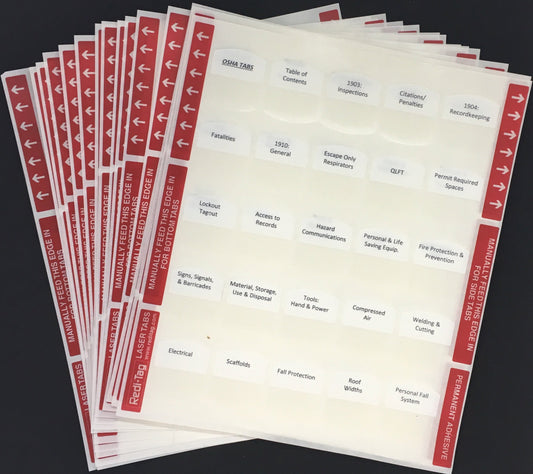
Florida Pollutant Storage Contractor Exam; Pre-Printed Tabs and Highlights
Regular price
$119.99
Sale price
$119.99
Regular price
$133.50
Unit price
per
Sale Sale Sale Sale Sale Sale Sale Sale Sale Sale Sale Sale Sale Sale Sale
Florida Pollutant Storage Contractor Trade Exam - Online Exam Prep Course
Regular price
From $350.00
Sale price
From $350.00
Regular price
$450.00
Unit price
per


Sale Sale Sale Sale Sale Sale Sale Sale Sale Sale Sale Sale Sale Sale Sale
Florida Pollutant Storage Ultimate Exam Prep Rental Package
Regular price
$5,335.00
Sale price
$5,335.00
Regular price
$6,000.00
Unit price
per
Florida Pollutant Storage Contractor Exam Complete Book Set - Trade Books
Prepare for the Florida Pollutant Storage Contractors Trade Knowledge examination with a complete collection of the books and technical references identified for the 2026 testing period. This Florida Pollutant Storage Contractor exam book set brings together the estimating, workplace safety, fire-code, underground storage tank, aboveground storage tank, vapor-recovery, damage-prevention, tank-closure, inspection, and Florida regulatory materials used for the trade examination.
The Florida Pollutant Storage Contractor examination covers a specialized field that combines construction knowledge with petroleum storage system installation, environmental protection, excavation safety, equipment handling, leak detection, piping, tank removal, and regulatory compliance. Candidates must be able to work efficiently with multiple technical publications rather than relying on a single general study guide. Having the complete trade book set in one package helps candidates organize their preparation around the approved reference materials.
This set includes all 12 publications listed for the Florida Pollutant Storage Contractors Trade Knowledge examination reference cycle valid from January 2026 through December 2026. The collection includes the specified editions of Walker’s estimating reference, federal OSHA regulations, NFPA 30, NFPA 30A, Petroleum Equipment Institute recommended practices, Florida petroleum storage rules, damage-prevention requirements, API tank-closure guidance, and the Florida petroleum storage tank facility inspection guide.
These books support preparation across the major areas of pollutant storage contracting, including pre-installation planning, site preparation, material handling, excavation, tank support and anchorage, backfill, underground and aboveground tank installation, valves and fittings, fuel-dispensing systems, vapor recovery, leak detection, cathodic protection, tank removal, abandonment, and jobsite safety.
A complete reference set is especially valuable for an open-book contractor examination. Candidates should become familiar with the organization, tables, definitions, chapters, appendices, indexes, and technical terminology found throughout the books. Effective preparation involves more than bringing the correct references into the testing room. It requires knowing which publication is most likely to contain the information needed and how to locate that information under exam conditions.
Exam Details
The Florida Pollutant Storage Contractors General Trade Knowledge examination is administered in a computer-based testing format. The trade examination consists of 80 equally weighted questions.
The examination measures knowledge of pollutant storage system construction practices and the ability to apply information from approved technical references. Candidates should be prepared to read and interpret plans, specifications, codes, diagrams, technical requirements, and jobsite conditions. Basic mathematics is also part of the examination. Mathematical work may involve addition, subtraction, multiplication, division, fractions, decimals, percentages, area, volume, triangles, square roots, powers, and simple algebraic equations.
The examination content covers the following broad trade areas:
- Pre-installation planning and site preparation
- Material handling and the safe handling of regulated substances
- Excavation, soil preparation, groundwater conditions, and dewatering
- Tank supports, anchorage, concrete work, and compaction
- Backfill selection, placement, migration prevention, and tank deflection
- Underground and aboveground tank installation
- Piping, valves, fittings, pumps, vents, dispensers, and related components
- Above-tank coverings and buoyancy calculations
- Leak-detection and monitoring systems
- Cathodic protection systems and corrosion control
- Tank removal, closure, and abandonment procedures
- Jobsite safety, personal protective equipment, ventilation, and hazardous conditions
Questions may also depend on practical field knowledge and accepted trade practices. Candidates should study the listed references while also developing a working understanding of how storage systems are inspected, installed, tested, protected, maintained, and closed.
Open Book Test
The Florida construction examinations are open-book examinations. For the Pollutant Storage Contractors Trade Knowledge exam, only the books and materials identified on the applicable examination reference list may be brought into the testing room.
The approved reference list states that only one copy of each reference may be taken into the examination site. Original-edition reference materials are required unless a publication is specifically identified as an allowable PDF. Any permitted PDF copy must be properly bound and must remain bound throughout the examination.
Acceptable binding methods for approved PDF references include ring binders, brads, plastic snap binders, spiral binding, and screw posts. Staples are not considered an acceptable binding method. Writing tablets and electronic tablets are not permitted as substitutes for the printed references.
References containing underlining made with a pen or highlighter may be used. Handwritten notes and typewritten notes are not allowed. Existing notes must be removed or completely blacked out so they cannot be read. Moveable tabs, including removable page flags, are not permitted. Candidates are also prohibited from making marks in their references during the examination.
Because the test is open book, reference-navigation practice should be a major part of exam preparation. Candidates should learn the layout of each publication, identify frequently used chapters, understand how the indexes are structured, and practice moving between related references. A well-organized study plan can reduce the time spent deciding which book to consult during the exam.
Licensing Steps
Florida applicants seeking certification as a Pollutant Storage Systems Contractor must follow the examination and licensing process administered through the Florida Department of Business and Professional Regulation and the Construction Industry Licensing Board.
- Review the contractor examination requirements. Determine which examination parts apply to the desired Florida contractor certification and review the current candidate information and reference requirements.
- Apply for the required examination. Construction examination candidates apply through the state’s designated examination-registration process.
- Receive approval and schedule testing. After examination eligibility is approved, candidates may schedule the computer-based examination through the designated testing vendor.
- Prepare with the approved references. Study the applicable trade content and become familiar with the books permitted in the testing room.
- Complete the required examination parts. Applicants seeking certified-contractor licensure must satisfy the applicable state examination requirements.
- Submit the licensure application. After completing the examination requirements, submit the appropriate pollutant storage contractor application with the documentation required for the intended license status or business relationship.
- Complete financial, experience, and supporting-document requirements. Applicants must satisfy the requirements stated in the current application instructions.
- Receive licensing approval before contracting. Passing an examination does not by itself authorize a person or business to perform regulated contracting work. The applicable license must be issued before operating under that certification.
State Requirements
A Florida Certified Pollutant Storage System Contractor is regulated through the Florida Department of Business and Professional Regulation and the Construction Industry Licensing Board. Certified contractor licenses are statewide credentials, subject to the scope and conditions established by Florida law and board rules.
Applicants seeking certified-contractor licensure generally must pass the applicable state certification examination and submit the correct initial licensure application. Florida also requires applicants to document qualifying experience or an approved combination of education and experience. The department’s licensing information states that applicants are generally required to have four years of experience or an acceptable combination of college education and experience. The application instructions determine how particular experience and educational records are evaluated.
Financial responsibility is also part of the licensure process. Depending on the application type, applicants may be required to provide credit reports and documentation addressing financial stability and responsibility. Applicants qualifying a business may have additional requirements related to the business entity, ownership, qualifying-agent status, fingerprints, and supporting records.
Different forms are used for applicants seeking an individual license, qualifying a business, changing license status, qualifying an additional business, or applying through endorsement. Candidates should select the application that matches the way they intend to practice.
Florida’s requirements and forms may change. Applicants should follow the current instructions issued for the Certified Pollutant Storage System Contractor application and complete every required examination, experience, financial, identity, and business-documentation item.
Reference Books
-
Walker’s Building Estimator’s Reference Book, 33rd Edition, 2024
A construction estimating reference used for calculations, quantities, labor considerations, materials, and practical estimating information relevant to contractor examination questions. -
Code of Federal Regulations, OSHA 29 CFR Part 1926, July 1, 2025
Federal construction safety regulations covering workplace requirements that apply to excavation, equipment, personal protection, material handling, fall protection, and other construction activities. -
Code of Federal Regulations, OSHA Title 29, Part 1900-1910.999, Safety and Health Standards, Hazardous Waste Operations and Emergency Response, July 1, 2025
Federal occupational safety and health requirements addressing general-industry hazards, hazardous materials, emergency response, protective equipment, and workplace safety procedures. -
NFPA 30, Flammable and Combustible Liquids Code, 2021
A fire-safety code addressing the storage, handling, and use of flammable and combustible liquids, including requirements relevant to tanks, piping, transfer operations, and associated hazards. -
NFPA 30A, Code for Motor Fuel Dispensing Facilities and Repair Garages, 2021
A code focused on motor-fuel dispensing facilities, fuel-system components, storage arrangements, dispensing operations, repair garages, and fire-safety requirements. -
RP100 UST Installation: Recommended Practices for Installation of Underground Liquid Storage Systems, PEI/RP100-2022
A Petroleum Equipment Institute recommended practice covering accepted procedures for installing underground liquid storage systems and their related components. -
Petroleum Storage Systems, Chapters 62-761 and 62-762, 2023
Florida regulatory material addressing underground and aboveground petroleum storage systems, including standards applicable to system construction, operation, testing, release prevention, and compliance. -
Damage Prevention Guide, Including Florida Statute Chapter 556, Underground Facility Damage Prevention and Safety Act, October 2020
Florida guidance concerning underground-facility location, excavation notification, damage prevention, safe digging responsibilities, and compliance with the Underground Facility Damage Prevention and Safety Act. -
RP200 AST Installation: Recommended Practices for Installation of Aboveground Storage Systems for Motor Vehicle Fuels, PEI/RP200-13, 2024
A Petroleum Equipment Institute publication covering recommended practices for aboveground motor-fuel storage system installation. -
RP300 Vapor Recovery Installation: Recommended Practices for Installation and Testing of Vapor Recovery Systems at Vehicle Fueling Sites, PEI/RP300-09, 2019
A technical reference addressing installation and testing practices for vapor-recovery systems used at vehicle-fueling locations. -
API Closure of Underground Pollutant Storage Tanks, API RP 1604, December 2021
An American Petroleum Institute recommended practice addressing procedures and safety considerations related to the closure and removal of underground petroleum storage systems. -
Your Petroleum Storage Tank Facility Inspection Guide, 2016 with Updates from May 2023
A Florida Department of Environmental Protection inspection guide that helps users understand petroleum storage facility components, inspection considerations, documentation, and common compliance areas.
Exam Room Approved Books
This complete set contains the specific reference books identified for the Florida Pollutant Storage Contractors Trade Knowledge examination reference period valid from January 2026 through December 2026:
- Walker’s Building Estimator’s Reference Book, 33rd Edition, 2024
- OSHA 29 CFR Part 1926, July 1, 2025
- OSHA Title 29, Part 1900-1910.999, July 1, 2025
- NFPA 30, Flammable and Combustible Liquids Code, 2021
- NFPA 30A, Code for Motor Fuel Dispensing Facilities and Repair Garages, 2021
- PEI/RP100-2022, Underground Liquid Storage Systems
- Florida Petroleum Storage Systems, Chapters 62-761 and 62-762, 2023
- Damage Prevention Guide, October 2020
- PEI/RP200-13, Aboveground Storage Systems, 2024
- PEI/RP300-09, Vapor Recovery Systems, 2019
- API RP 1604, December 2021
- Your Petroleum Storage Tank Facility Inspection Guide, 2016 with May 2023 updates
Candidates must follow all current testing-room rules governing editions, binding, markings, notes, tabs, and permitted materials. Only approved books should be taken to the testing center.
Test Information and Study Materials
Start by separating the references into functional groups. Place OSHA and safety books together, NFPA fire-code publications together, Florida regulatory materials together, and installation practices together. This makes it easier to associate a question with the correct source.
Build familiarity with the terminology used for underground storage tanks, aboveground storage tanks, interstitial spaces, cathodic protection, vapor recovery, leak detection, vents, dispensers, shear valves, anchorage, backfill, dewatering, abandonment, and closure. Knowing the language of the trade improves both comprehension and reference navigation.
Practice calculations that may arise in estimating and field applications, including area, volume, material quantities, percentages, slopes, elevations, buoyancy, and simple algebra. Candidates should also be comfortable reading plans, identifying symbols, interpreting specifications, and connecting code requirements to practical jobsite conditions.
Use timed practice sessions. Select a trade question, identify the likely reference, find the governing section, and confirm the answer. Repeating this process helps develop a reliable search pattern for exam day.
How 1 Exam Prep Helps You Reach Your Goal
1 Exam Prep supports Florida contractor candidates with organized, trade-focused preparation built around the materials used for the licensing examination. A complete reference set gives students a strong foundation for building a structured study plan and developing the book-navigation skills needed for an open-book test.
Preparation can focus on the major pollutant storage trade areas while connecting each subject to the appropriate code, recommended practice, regulation, or technical guide. Candidates can review installation requirements, safety rules, environmental standards, fire-code provisions, tank-system components, and closure procedures in a logical sequence rather than studying unrelated information at random.
Practice-oriented preparation also helps students recognize keywords, identify the likely source of an answer, and move through large references more efficiently. For calculation-based topics, structured review can reinforce the estimating and mathematical skills used in contractor examinations. For code-based topics, repeated reference work builds familiarity with chapters, indexes, definitions, tables, and exceptions.
1 Exam Prep emphasizes realistic study structure, consistent review, reference navigation, and confidence through preparation. The goal is to help candidates approach the Florida Pollutant Storage Contractor examination with a stronger understanding of the trade and a more organized method for using the approved books.
Is the Florida Pollutant Storage Contractor exam open book?
Yes. Florida construction examinations are open book. Candidates may bring only the references approved for the applicable examination and must follow the testing program’s rules for editions, binding, notes, highlighting, and tabs.
How many books are included in this complete trade set?
This Florida Pollutant Storage Contractor exam book set includes 12 references, including the two NFPA codes, federal OSHA publications, Florida rules, PEI recommended practices, API guidance, estimating material, and inspection guidance.
Does the set include NFPA 30 and NFPA 30A?
Yes. The set includes NFPA 30, Flammable and Combustible Liquids Code, 2021, and NFPA 30A, Code for Motor Fuel Dispensing Facilities and Repair Garages, 2021.
How many questions are on the trade examination?
The Florida Pollutant Storage Contractors General Trade Knowledge examination consists of 80 equally weighted questions and is administered in a computer-based testing format.
Can handwritten notes be used in the exam books?
No. Handwritten and typewritten notes are not allowed. References may contain underlining or highlighting, but candidates must comply with the current testing-room rules.
Are removable page tabs allowed?
No. Moveable tabs, such as removable page flags, are not permitted. Candidates should review the current candidate rules before preparing their books.
Are PDF references allowed in the testing room?
Only references specifically identified as allowable PDFs may be used in PDF form. Permitted PDF copies must be bound using an accepted binding method and remain bound during the examination.
What subjects should I study for the Florida Pollutant Storage Contractor exam?
Key areas include site preparation, excavation, material handling, supports and anchorage, backfill, tank installation, piping, valves, fittings, leak detection, cathodic protection, vapor recovery, tank removal, abandonment, safety, plans, specifications, codes, and construction mathematics.
Does purchasing the book set include a Florida contractor license?
No. The book set provides the trade references used for examination preparation. Applicants must separately complete the examination, application, experience, financial, and licensing requirements established by Florida.
Frequently Asked Questions
Find answers to common questions about our exam prep courses.
Are 1 Exam Prep books already tabbed and highlighted?
Are 1 Exam Prep practice exams timed like the real test?
Are accessibility requirements included on ICC certification exams?
Are all scored questions worth the same amount on my contractor exam?
Are Arizona contractors required to maintain a surety bond?
Are bid bonds required for Illinois public works projects?
Are blueprint plans shown on paper or on a computer?
Are calculators allowed during an ICC certification exam?
Are CEUs required when renewing ICC certifications?
Are certified payroll reports required for Illinois public works projects?
Are codebook corrections and errata tested on contractor exams?
Are Connecticut electrical contractors liable for defective workmanship?
Are construction deposits limited in Idaho?
Are construction inspections required for permitted projects in Illinois?
Are continuing education courses required for license renewal?
Are continuing education units required to renew an ICC certification?
Are contractor exam prep courses updated when code books change?
Are contractor exams the same in every state?
Are contractor licenses handled locally in Indiana?
Are contractor licensing exam books different for General Contractor and specialty trade licenses?
Are contractor licensing exam prep courses updated to match current state regulations and code books?
Are contractor licensing exams harder for first-time test takers?
Are contractor licensing exams open-book or closed-book?
Are Delaware contractor licensing exams open-book?
Are digital books allowed for contractor licensing exams?
Are electrical services subject to sales tax in Connecticut?
Are electrician licenses issued by the State of Illinois or by local governments?
Are financial statements required with a Georgia contractor license application?
Are fingerprints required for an Idaho contractor application?
Are general contractor exams open book?
Are general contractor licenses handled locally in Illinois?
Are general contractors licensed at the state or local level in Illinois?
Are Georgia contractor licensing exams open-book?
Are handwritten notes allowed in exam books?
Are highlighted and tabbed books allowed during Georgia contractor exams?
Are ICC certification exams multiple-choice?
Are ICC certification exams open-book?
Are ICC certifications accepted in every state?
Are ICC exam prep materials available for specific job classifications?
Are ICC exam prep packages available for specific states?
Are ICC exam preparation courses available online?
Are ICC study guides based on specific code editions?
Are Idaho contractor and trade licensing exams open book?
Are Illinois contractor exams open book?
Are Indiana contractor licensing exams open book?
Are Indiana public works contractors required to submit certified payroll reports?
Are inspections required for construction projects in Idaho?
Are math formulas provided during my contractor exam?
Are means-of-egress requirements covered on ICC certification exams?
Are NASCLA books included in contractor exam packages?
Are online contractor prep courses available 24/7?
Are online exam prep courses available for Idaho contractor and trade exams?
Are online prep courses available for Indiana contractor exams?
Are personal notes allowed during ICC exams in the United States?
Are practice exams included with the course packages?
Are pre-tabbed books allowed in PSI testing centers?
Are pre-tabbed books allowed in testing centers?
Are rental books already tabbed and highlighted?
Are specialty contractors licensed at the state level in Illinois?
Are specialty contractors licensed at the state level in Indiana?
Are structural requirements covered on ICC certification exams?
Are subcontractors required to be licensed in Alaska?
Are subcontractors required to be licensed in Florida?
Are surety bonds required for Illinois public works contractors?
Are tabs allowed in ICC reference books during exams?
Are the books already tabbed and highlighted for the exam?
Are the books and study materials included with 1 Exam Prep packages?
Are the books used in contractor licensing exams the same across all states?
Are there any continuing education exemptions for Florida contractors?
Are there financing or payment plan options available for licensing exams and study materials?
Are there study materials available for contractor math and calculations?
Are there study plans included with the courses?
Are there unscored questions on contractor license exams?
Are verbal agreements legally enforceable for contractors in Connecticut?
Are written construction contracts required?
Are written construction contracts required for projects in Georgia?
Are written construction contracts required in Idaho?
Are written contracts required for construction projects in Alabama?
Are written contracts required for home improvement projects in Florida?
Are written contracts required for residential electrical work in Connecticut?
Are your books approved for use during open-book exams?
Are your contractor courses completely self-paced?
Are your courses available for all 50 states?
Are your courses state-specific?
Are your practice exams timed like the real test?
Best study strategies for state government exams
Can 1 Exam Prep help me choose the right contractor license for my goals?
Can 1ExamPrep help me find the correct reference books for my licensing exam?
Can 1ExamPrep help me prepare for a Delaware contractor exam retake?
Can 1ExamPrep help me prepare for Delaware contractor licensing?
Can a bad contractor exam question be removed from scoring?
Can a business entity hold a contractor license in Florida?
Can a contractor hire unlicensed electricians in Alaska?
Can a contractor license help me start my own construction business?
Can a contractor licensed outside Georgia perform work in the state?
Can a contractor perform construction work without a permit in Arkansas?
Can a contractor perform mold remediation work in Florida?
Can a contractor place a lien on property in Florida?
Can a corporation apply for a contractor license in Arkansas?
Can a Delaware contractor work in neighboring states with the same registration?
Can a Florida contractor license be revoked?
Can a Florida contractor operate under a DBA (Doing Business As) name?
Can a Florida contractor place a mechanic's lien?
Can a Florida contractor pull permits statewide?
Can a Florida contractor subcontract specialty work?
Can a Florida contractor supervise unlicensed workers?
Can a Florida contractor work in multiple counties?
Can a Florida contractor work on commercial and residential projects?
Can a Florida contractor work under another contractor's license?
Can a general contractor hire an unlicensed subcontractor to perform electrical work in Arizona?
Can a general contractor work in multiple states?
Can a Georgia contractor start work before a permit is issued?
Can a Georgia electrical contractor work anywhere in the state?
Can a handyman work without a license in Florida?
Can a Hawaii Class C-13 electrical contractor work anywhere in the state?
Can a licensed contractor perform construction work in Arizona without obtaining the required permits?
Can a licensed general contractor hire unlicensed subcontractors in Arkansas?
Can a passed contractor exam section expire before I finish the other parts?
Can Alabama contractors assist with code compliance issues?
Can Alabama contractors assist with historic home renovations?
Can Alabama contractors help with additions to existing homes?
Can Alabama contractors help with energy-efficient upgrades?
Can Alabama contractors help with remodeling projects?
Can Alabama contractors provide proof of insurance upon request?
Can Alabama contractors subcontract portions of a project?
Can Alabama contractors work across different counties, and what requirements apply when working in multiple jurisdictions?
Can Alabama contractors work on commercial and residential projects?
Can Alabama contractors work on government-funded projects?
Can an architect or engineer verify my contractor work experience?
Can an electrical contractor sue for unpaid work in Connecticut?
Can an electrical contractor work without a licensed electrician in Colorado?
Can an engineering or construction degree count toward contractor license experience?
Can an expired Hawaii contractor license be reinstated?
Can an ICC exam prep course help me complete the test faster?
Can an Illinois county require a separate contractor license or registration?
Can an Indiana county require its own contractor license or registration?
Can an LLC obtain a contractor license in Arkansas?
Can an out-of-state contractor legally work in another state without obtaining a new license?
Can an out-of-state contractor legally work in Idaho?
Can an out-of-state contractor legally work in Illinois?
Can an out-of-state contractor work in Hawaii?
Can an out-of-state electrical contractor work in Connecticut?
Can an unlicensed contractor file a mechanic's lien in Hawaii?
Can Arkansas cities have different building code requirements?
Can beginners with no construction business experience use 1 Exam Prep courses successfully?
Can beginners with no testing experience use 1 Exam Prep courses?
Can building maintenance work count toward my contractor license experience?
Can Connecticut electrical contractors charge customers a trip fee?
Can Connecticut electrical contractors charge late fees on unpaid invoices?
Can Connecticut electrical contractors hire independent contractors?
Can Connecticut electrical contractors offer financing to customers?
Can Connecticut electrical contractors subcontract electrical work?
Can construction inspection work count toward my contractor license experience?
Can contractors charge trip fees in Hawaii?
Can contractors in Alabama help with design and planning?
Can different people verify different parts of my contractor work history?
Can education and work experience be combined for my contractor license?
Can electrical contractors hire apprentices in Connecticut?
Can electrical contractors require a deposit before starting work in Connecticut?
Can estimating experience count toward my contractor license?
Can experimental questions appear on my contractor exam without being identified?
Can federal or military construction work count toward my contractor license experience?
Can Florida contractors be fined for code violations?
Can Georgia contractor exam books contain handwritten notes?
Can highlighted and organized books be used during an Idaho contractor exam?
Can homeowners cancel a construction contract in Florida?
Can homeowners do their own electrical work in Hawaii?
Can homeowners legally perform their own electrical work in Alaska?
Can homeowners perform their own electrical work in Connecticut?
Can I access contractor exam prep courses on mobile devices?
Can I access course materials immediately after purchase?
Can I access my 1 Exam Prep course on multiple devices?
Can I access my 1ExamPrep course on multiple devices?
Can I access my contractor exam prep course on mobile devices and tablets?
Can I appeal if the testing center refuses an approved contractor exam book?
Can I apply for a contractor license if I only have experience in one trade?
Can I apply for an Illinois contractor license online?
Can I apply for an Indiana contractor license online?
Can I apply for another state’s contractor license while my home-state renewal is pending?
Can I apply for Idaho contractor registration online?
Can I ask for a different chair during my contractor exam?
Can I ask for a different mouse or keyboard during my contractor exam?
Can I ask for better lighting during my contractor exam?
Can I ask for new scratch paper if mine gets full during the contractor exam?
Can I ask the proctor for help during my contractor exam?
Can I become a contractor in Idaho without a college degree?
Can I bring a backup copy of an approved contractor exam book?
Can I bring a large-print version of a required contractor exam book?
Can I bring a seat cushion or back support to my contractor exam?
Can I bring a solar-powered calculator to my contractor exam?
Can I bring extra batteries for my calculator to the contractor exam?
Can I bring handwritten notes to an Indiana contractor exam?
Can I bring medication into the testing room for my contractor exam?
Can I bring my own ruler or straightedge to the contractor exam?
Can I bring my own tissues into the contractor exam room?
Can I bring two calculators to my contractor exam?
Can I buy ICC book tabs without purchasing the codebooks?
Can I buy pre-highlighted books instead of highlighting them myself?
Can I challenge a contractor exam question if I think it was wrong?
Can I change an answer before I submit my contractor exam?
Can I change an answer if I clicked the wrong choice during my contractor exam?
Can I change my contractor exam classification after I already registered?
Can I change the qualifier on a contractor license application that is still pending?
Can I change the Qualifying Party on my Arkansas contractor license?
Can I change the screen brightness or text size during my contractor exam?
Can I choose which testing center I use for my contractor exam?
Can I copy part of a contractor exam question onto my scratch paper?
Can I count two construction jobs at the same time toward my license experience?
Can I drink water during a long contractor exam?
Can I eat or drink during my contractor exam?
Can I erase and reuse the scratch board during my contractor exam?
Can I extend my course access if needed?
Can I find out my exact contractor exam score if I passed?
Can I flag an exhibit question and come back to it later?
Can I fold or tear the scratch paper during my contractor exam?
Can I get a general contractor license without a high school diploma?
Can I get a new marker if the one provided during my contractor exam stops working?
Can I get a reference book from my locker during the contractor exam?
Can I get a standing desk if I cannot sit through my contractor exam?
Can I get an official copy of an old contractor exam score?
Can I get another copy of my contractor exam score report if I lost it?
Can I get extra time or special accommodations for my contractor exam?
Can I get more scratch space if I run out during my contractor exam?
Can I get my medication during a break in my contractor exam?
Can I go back to an earlier section after I finish it?
Can I hide the countdown timer during my contractor exam?
Can I highlight my ICC reference books before the exam?
Can I hire an unlicensed contractor in Alabama, and what are the risks involved?
Can I hold multiple contractor licenses at the same time?
Can I keep extra contractor exam books on the floor beside my desk?
Can I keep my contractor exam score if I switch from a sole proprietorship to an LLC?
Can I leave my scratch notes at my desk during a bathroom break?
Can I leave the building between two contractor exams scheduled on the same day?
Can I leave the testing center during a scheduled contractor exam break?
Can I leave the testing center early if I finish my contractor exam?
Can I move my contractor exam to an earlier date if a seat opens up?
Can I move or resize windows on my contractor exam screen?
Can I move to another testing station if the room is too noisy?
Can I open the exam tutorial again after the contractor test starts?
Can I operate as an LLC when registering as a contractor in Delaware?
Can I operate under a DBA with an Arkansas contractor license?
Can I pass a state exam without any experience?
Can I perform electrical work in Connecticut without an electrical license?
Can I prepare for an ICC exam while working full-time?
Can I prepare for both state and NASCLA exams using 1 Exam Prep?
Can I prepare for multiple contractor classifications at the same time?
Can I purchase an ICC exam prep course and reference books together?
Can I purchase books separately without enrolling in a course?
Can I purchase ICC book tabs separately from the codebooks?
No questions match your search. Try a different keyword or category.
Link copied!
- Choosing a selection results in a full page refresh.
- Opens in a new window.