



Sale Sale Sale Sale Sale Sale Sale Sale Sale Sale Sale Sale Sale Sale Sale
Florida Plumbing Contractor Trade Exam - Online Exam Prep Course
Regular price
From $395.00
Sale price
From $395.00
Regular price
$495.00
Unit price
per

Sale Sale Sale Sale Sale Sale Sale Sale Sale Sale Sale Sale Sale Sale Sale
Florida Plumbing Contractor Exam - Books & Courses Rental
Regular price
From $2,595.00
Sale price
From $2,595.00
Regular price
$2,884.00
Unit price
per
Sale Sale Sale Sale Sale Sale Sale Sale Sale Sale Sale Sale Sale Sale Sale
Florida Plumbing Contractor Exam Complete Book Set - Trade Books
Regular price
From $1,195.00
Sale price
From $1,195.00
Regular price
$1,295.00
Unit price
per

Sale Sale Sale Sale Sale Sale Sale Sale Sale Sale Sale Sale Sale Sale Sale
Florida Plumbing Contractor Exam Book; Pre-Printed Tabs (Tabs Only)
Regular price
$69.99
Sale price
$69.99
Regular price
$77.99
Unit price
per
Sale Sale Sale Sale Sale Sale Sale Sale Sale Sale Sale Sale Sale Sale Sale
Florida Plumbing Contractor Exam Complete Book Set - Trade Books - Highlighted & Tabbed
Regular price
From $1,495.00
Sale price
From $1,495.00
Regular price
$1,695.00
Unit price
per
Sale Sale Sale Sale Sale Sale Sale Sale Sale Sale Sale Sale Sale Sale Sale
Florida Plumbing Contractor Exam - Online Practice Questions
Regular price
$79.99
Sale price
$79.99
Regular price
$129.99
Unit price
per

Sale Sale Sale Sale Sale Sale Sale Sale Sale Sale Sale Sale Sale Sale Sale
Florida Plumbing Contractor Exam; Pre-Printed Tabs and Highlights
Regular price
$119.99
Sale price
$119.99
Regular price
$133.50
Unit price
per
Sale Sale Sale Sale Sale Sale Sale Sale Sale Sale Sale Sale Sale Sale Sale
Florida Plumbing Contractor Exam Prep – 2-Day Books Refresher Class with Isometrics (Orlando Location)
Regular price
$395.00
Sale price
$395.00
Regular price
$495.00
Unit price
per
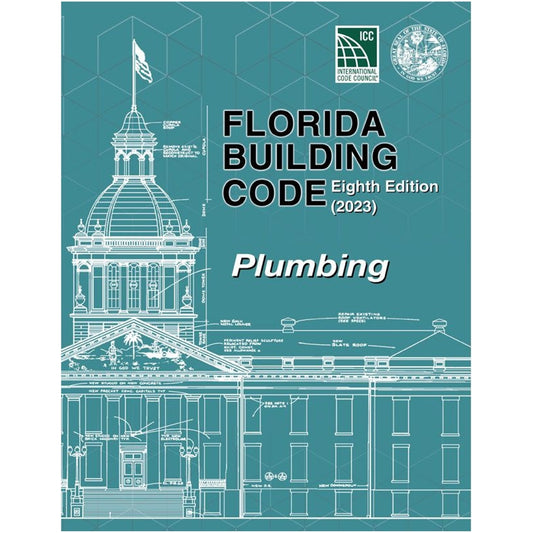
2023 Florida Building Code - Plumbing, 8th Edition
Regular price
$140.00
Sale price
$140.00
Regular price
Unit price
per

Sale Sale Sale Sale Sale Sale Sale Sale Sale Sale Sale Sale Sale Sale Sale
Florida Plumbing Contractor Ultimate Exam Prep Rental Package
Regular price
$3,499.00
Sale price
$3,499.00
Regular price
$4,299.00
Unit price
per

Florida Plumbing Contractor Exam Prep Free Demo Personal AI Tutor
Regular price
$0.00
Sale price
$0.00
Regular price
Unit price
per

Florida Plumbing Plans Examiner (ICC 3P) Exam Prep Free Demo Personal AI Tutor
Regular price
$0.00
Sale price
$0.00
Regular price
Unit price
per
Sale Sale Sale Sale Sale Sale Sale Sale Sale Sale Sale Sale Sale Sale Sale
Florida 2P Commercial Plumbing Inspector - Online Exam Prep Course
Regular price
$350.00
Sale price
$350.00
Regular price
$390.00
Unit price
per
Sale Sale Sale Sale Sale Sale Sale Sale Sale Sale Sale Sale Sale Sale Sale
The 1 Package: All-Inclusive Florida Plumbing Contractor Exam, Licensing & Business Setup Solution
Regular price
$3,999.00
Sale price
$3,999.00
Regular price
$4,999.00
Unit price
per
Sale Sale Sale Sale Sale Sale Sale Sale Sale Sale Sale Sale Sale Sale Sale
Florida 1P Residential Plumbing Inspector - Online Exam Prep Course
Regular price
$325.00
Sale price
$325.00
Regular price
$365.00
Unit price
per
Sale Sale Sale Sale Sale Sale Sale Sale Sale Sale Sale Sale Sale Sale Sale
Florida Commercial Plumbing Inspector (ICC 2P) Highlighted & Tabbed Book Package
Regular price
$495.00
Sale price
$495.00
Regular price
$695.00
Unit price
per
Sale Sale Sale Sale Sale Sale Sale Sale Sale Sale Sale Sale Sale Sale Sale
Prov Plumbing Maintenance (County - Florida)
Regular price
$295.00
Sale price
$295.00
Regular price
$330.00
Unit price
per

Florida Residential Plumbing Inspector (ICC 1P) Exam Prep Free Demo Personal AI Tutor
Regular price
$0.00
Sale price
$0.00
Regular price
Unit price
per

Florida Commercial Plumbing Inspector (ICC 2P) Exam Prep Free Demo Personal AI Tutor
Regular price
$0.00
Sale price
$0.00
Regular price
Unit price
per
Sale Sale Sale Sale Sale Sale Sale Sale Sale Sale Sale Sale Sale Sale Sale
Florida Plumbing Contractor + Business & Finance Flash Card Combo
Regular price
$99.00
Sale price
$99.00
Regular price
$150.00
Unit price
per
Sale Sale Sale Sale Sale Sale Sale Sale Sale Sale Sale Sale Sale Sale Sale
Florida Plumbing Contractor Exam Prep Study Flash Cards
Regular price
$75.00
Sale price
$75.00
Regular price
$85.00
Unit price
per
Sale Sale Sale Sale Sale Sale Sale Sale Sale Sale Sale Sale Sale Sale Sale
Florida Plumbing Plans Examiner (ICC 3P) Exam - Online Practice Questions
Regular price
$79.99
Sale price
$79.99
Regular price
$120.00
Unit price
per
Sale Sale Sale Sale Sale Sale Sale Sale Sale Sale Sale Sale Sale Sale Sale
Florida Commercial Plumbing Inspector (ICC 2P) Exam - Online Practice Questions
Regular price
$79.99
Sale price
$79.99
Regular price
$120.00
Unit price
per
Sale Sale Sale Sale Sale Sale Sale Sale Sale Sale Sale Sale Sale Sale Sale
Florida Residential Plumbing Inspector (ICC 1P) Exam - Online Practice Questions
Regular price
$79.99
Sale price
$79.99
Regular price
$120.00
Unit price
per
- Choosing a selection results in a full page refresh.
- Opens in a new window.