Now you are eligible FREE SHIPPING
Everything you need to pass the Florida residential contractor license exam and register with CILB. NASCLA accredited courses, state-aligned practice exams, and instructor support from Florida's highest-rated exam prep school.
Florida's Alarm Systems I Contractor license sits near the top of the alarm contracting world because it includes fire alarm systems along with security, burglar, signaling, and other alarm work. That wider scope also means candidates face a serious state examination covering electrical theory, fire alarms, low-voltage systems, plans, initiating devices, central-station signaling, burglar alarms, OSHA safety, business law, and contractor management.
The state exam is open book, but there are a lot of books. Showing up with a stack of references and hoping the correct paragraph waves at you is not much of a study plan. Successful preparation means understanding the technical material and learning exactly where important information lives.
Start with the Florida State Alarm Systems I Contractor collection from 1ExamPrep. This guide explains the license scope, experience requirements, two-part exam, fire-alarm experience rule, current reference books, technical blueprint, business exam, financial requirements, and practical study strategies.
Florida defines an Alarm System Contractor I as an alarm contractor whose business includes all types of alarm systems for all purposes.
That broad scope is what separates Alarm I from Alarm II. Alarm Systems Contractor II covers alarm systems other than fire alarms. Alarm Systems I includes fire alarm work.
Florida distinguishes between certified and registered alarm contractors. A certified contractor has established competency through the state process and may contract on a statewide basis within the licensed scope.
A registered Alarm System Contractor I is tied to the local jurisdictions covered by the contractor's registration and local competency credentials.
Florida currently allows applicants who are at least 18 years old to apply for the Certified Alarm System Contractor I examination.
Passing the examination does not guarantee that the license will be issued. After testing, the applicant still has to prove that the required experience, financial, credit, and business qualifications have been met.
This makes it smart to review the licensing requirements before investing months into exam preparation.
Florida does not use only one experience formula for certified electrical and alarm contractors. Applicants can qualify through several combinations of management, supervision, technical training, engineering, military experience, governmental electrical work, or other approved trade experience.
The exact documentation matters. Florida can request employment verification, W-2 records, job lists, and other evidence supporting the experience claimed on the application.
Alarm I is not simply a general low-voltage license with a fire-alarm chapter added to the exam.
This is one of the most important licensing details for an Alarm I applicant. Someone can have years of security and burglar-alarm experience and still have a licensing problem if the required fire-alarm portion is missing.
Florida also allows certain NICET Level III or higher documentation to be used in place of job lists for Alarm Contractor I applicants, subject to the current DBPR application instructions.
Candidates must pass both the Business examination and the Alarm Systems I Technical/Safety examination.
The Business section contains 50 scored questions and provides two and one-half hours of testing time.
The Alarm Systems I Technical/Safety section contains 100 scored questions and provides five hours.
Florida currently requires at least 75 percent on both the Business and Technical/Safety sections.
Both sections are open-book computer-based examinations administered through the state's testing vendor.
The testing program may also include pilot questions that do not count toward the score. Those questions are not identified during the exam.
Florida publishes question ranges instead of assigning one exact number to every category on every examination form.
| Technical/Safety Subject | Question Range |
|---|---|
| General Theory and Electrical Principles | 17 to 19 |
| Plan and Specification Reading and Interpretation | 18 to 20 |
| Wiring and Protection | 2 to 4 |
| Wiring Methods and Materials | 2 to 4 |
| Special Occupancies and Situations | 0 to 2 |
| OSHA, Safety, Testing Procedures, Tools and Equipment | 8 to 10 |
| Life Safety and Americans with Disabilities Act | 4 to 6 |
| Limited Energy and Low Voltage | 6 to 8 |
| Central Station Facilities and Signaling | 6 to 8 |
| Premises Protective Signaling Systems | 6 to 8 |
| Initiating Devices | 12 to 14 |
| Burglar Alarms | 7 to 9 |
Plan and specification reading is one of the biggest categories, followed closely by general electrical theory. Initiating devices are another major part of the test.
Alarm contractors need to turn plans, drawings, specifications, and system requirements into working installations.
Do not treat plan reading as a side subject. The current Florida blueprint can place as many as 20 questions in this category.
Alarm work is often low voltage, but low voltage is still electricity. Candidates should understand basic electrical relationships instead of treating every calculation as something the book will solve by itself.
A formula is much easier to use when you understand what each number means. Otherwise it is just algebra wearing an alarm-company shirt.
The Alarm I blueprint assigns 12 to 14 questions to initiating devices. That makes detection and system activation a major technical topic.
Know how devices initiate a signal, what type of signal is created, where devices are installed, and which reference controls the requirement.
Fire alarms are one of the biggest reasons someone chooses Alarm I instead of Alarm II.
Study alarm initiation, notification, supervision, emergency control functions, signaling pathways, power supplies, testing, inspection, maintenance, device placement, life safety, and central-station concepts.
NFPA 72 and Florida fire-safety requirements are especially important. Remember that this is not simply about making a horn sound when smoke appears. A fire alarm system has to send the correct signal, through the correct pathway, under the correct conditions, while meeting detailed code requirements.
Alarm I is an all-alarm credential, so security and burglary systems remain part of the examination.
UL 681 and UL 365 are particularly important specialized references for burglar and police-connected alarm-system topics.
OSHA, testing procedures, tools, and safe work practices account for 8 to 10 questions on the current technical blueprint.
Safety questions are useful exam points, and unlike a few alarm formulas, the information may also help prevent your workday from becoming unexpectedly memorable.
Every Florida electrical certification category also requires the Business examination.
The Business exam contains 50 scored questions and gives candidates two and one-half hours. It is also open book.
Alarm expertise can help you install the system. Business knowledge helps make sure the company survives long enough to send the invoice.
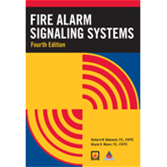
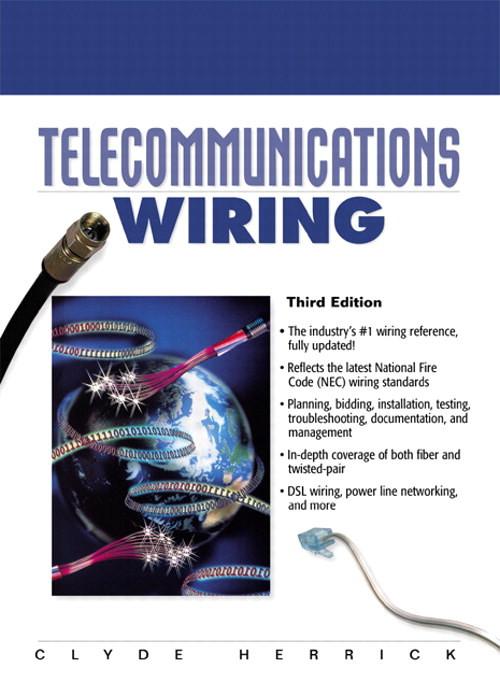
Florida's February 2026 Candidate Information Booklet lists a large reference library for electrical and alarm examinations. Alarm I preparation currently uses references covering Florida business law, electrical code, fire alarms, life safety, low-voltage systems, burglar alarms, OSHA, and telecommunications.
Candidates can review the Florida Alarm Systems I Contractor Exam Complete Book Set for an organized reference package.
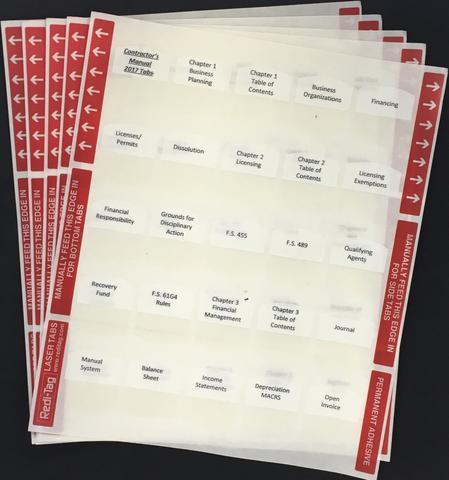
Candidates who prefer books already prepared for navigation can review the Florida Alarm Systems I Highlighted and Tabbed Book Set.
There is an important timing detail in Florida's current examination bulletin.
The February 2026 DBPR bulletin currently identifies the 2021 Florida Contractors Manual for the exam and states that the 2025 edition becomes the exam edition effective August 21, 2027.
Florida's bulletin also announces future reference changes for other books, including the NEC, NFPA 72, OSHA, UL 681, and the NTC Blue Book, beginning August 21, 2027.
The current DBPR bulletin says approved candidates for Alarm I, Alarm II, or Unlimited Electrical examinations can request the approved UL 681 and UL 365 materials from the state.
These references are provided as PDF materials. For exam use, permitted PDF references must be printed and properly bound according to the state's testing rules.
Do not wait until the evening before the examination to discover that two references require a request, printing, and binding. Future you will not appreciate that surprise.
Florida allows approved reference materials, but the Candidate Information Booklet sets strict rules about what can enter the testing room.
Before using highlighted or tabbed preparation materials, compare them with the current DBPR testing bulletin so your exam setup matches the rules in effect on your test date.
Five hours for 100 technical questions sounds generous until you start searching several references for one obscure signaling question.
A fire alarm question should quickly send you toward NFPA 72. A general wiring question may belong in the NEC. A burglar-system classification problem may require UL 681. OSHA questions should not require a sightseeing tour through the Fire Alarm Handbook.
The technical exam covers too many topics for random studying to be efficient.
The Florida Alarm Systems I Contractor Online Exam Prep Course provides structured review, practice questions, test-taking strategies, and guidance for working with the exam references.
A good routine is to study a topic in the course, open the related reference, locate the actual rule, and then practice another question using the same book.
Alarm I has one of those reference lists that can make a bookshelf begin asking for overtime pay.
Candidates who do not want to purchase and store every book can review the Florida Alarm Systems I Contractor Exam Book Rental. Current rental options combine exam books with Business and Alarm I preparation courses.
Always compare the books included in any rental package with the official DBPR list that applies on your exam date.
After passing both examination sections, you still need to submit the Certified Alarm System Contractor I initial license application.
The current initial Certified Alarm System Contractor I checklist requires a business credit report and a business financial statement showing a net worth of at least $10,000.
The application also requires a personal credit report.
Florida renews electrical and alarm contractor credentials on a biennial cycle.
Current Florida law requires alarm contractors to complete continuing education during each biennium. The current statutory minimum is seven classroom hours, with required subject areas including technical training, workers' compensation, workplace safety, business practices, and false alarm prevention.
Renewal rules and category details can change, so use your DBPR account and current Electrical Contractors' Licensing Board information to confirm the exact education mix due for your renewal period.
Practice questions are most useful when you investigate the mistakes instead of simply checking the score.
If NFPA 72 keeps winning, spend more time in NFPA 72. If UL 681 feels like a stranger, introduce yourself properly before exam day. The mistakes are basically handing you a personalized study schedule.
Florida Alarm Systems I is not simply a technical certificate. It is a contractor credential connected to statewide business activity, financial responsibility, contracts, experience, safety, and code compliance.
Strong candidates prepare for both sides. Study alarm circuits, fire alarm systems, burglar systems, signaling, plans, initiating devices, electrical theory, life safety, OSHA, NEC rules, and low-voltage installation. At the same time, prepare for cash flow, estimating, contracts, insurance, payroll, taxes, financial statements, and Florida contracting rules.
Most importantly, learn the books. Open-book testing rewards candidates who understand the topic and use a reference to confirm details. It is much less friendly to somebody who arrives with a stack of manuals and expects them to form a search committee.
Visit the Florida State Alarm Systems I Contractor collection at 1ExamPrep to review courses, books, highlighted and tabbed packages, and rental options.
Candidates who want exam preparation combined with licensing and business setup support can review The 1 Package for Florida Alarm Systems I Contractor.
If you need help organizing licensing paperwork, review 1ExamPrep application services. For larger exam, book, licensing, or business costs, you can also review 1ExamPrep financing options.