







Electrical Contractor Exam Prep: Study Books, Courses, and Licensing Success
Electrical contractor exams test more than whether you can connect a circuit. Depending on the license, they may ask about the National Electrical Code, service calculations, wiring methods, grounding, safety, project planning, and business rules. That can make preparation feel like trying to trace a wire through three buildings without a label.
The Electrical Contractor collection at 1 Exam Prep is the requested starting point for exploring electrical contractor study resources. Exact product availability can change, so match any listed books or courses to your jurisdiction's current exam outline before making a purchase.
This guide looks at contractor-level preparation, reference packages, code navigation, electrical calculations, online courses, and realistic study habits. It also explains why a journeyman, master electrician, and electrical contractor examination are not always the same. A good plan begins by knowing which test is actually on your schedule.
Electrical Contractor Licensing Is Not One National Exam
Electrical licensing rules depend on your state and sometimes your city or county. A jurisdiction may have separate credentials for individual electricians, master electricians, contractors, or qualifying agents. These titles can involve different experience, examination, registration, bonding, or insurance requirements.
Some electrical contractor tests focus on installation standards and trade decisions, while others also test contractor management, bidding, accounting, and legal responsibilities. A state may require more than one exam before a business can obtain a license. Passing a test does not automatically satisfy every experience or application requirement.
Before buying a package, record the exact examination name, testing organization, reference list, code edition, and open-book rules. Also check whether a separate business and law examination is required. Think of this information as your electrical plan. Starting without it makes every next step harder than it needs to be.
Journeyman, Master, and Electrical Contractor Preparation
A journeyman exam may emphasize code-based installation knowledge, circuit calculations, and safe work practices. A master exam may ask for deeper understanding of complex systems, service design, and technical judgment. An electrical contractor test may add business and supervisory responsibilities, but the pattern varies by jurisdiction.
These exam levels overlap, yet they should not be treated as identical. A calculation practice book can help candidates at several levels, while a state contractor-business manual may be useful only for a particular license path. Choose study materials by published exam subjects, not by a familiar word in the title.
If you have years of field experience, use that knowledge as a foundation rather than the complete study plan. Exams often want the exact code rule, formula, or procedure specified in a reference. Practical instincts are valuable, but official references determine what the test expects.
Electrical Contractor Reference Book Packages
A contractor exam book package groups publications selected for a particular test. The contents may include the National Electrical Code, construction safety standards, electrical theory, energy standards, estimating references, and business manuals. The number of books depends on the examination, so a larger stack is not automatically more complete.
For example, the NASCLA Master Unlimited Electrical Contractor Highlighted and Tabbed Book Package is described as a coordinated reference set covering electrical code, safety, project management, energy, theory, and contractor subjects. It is designed for the named NASCLA electrical examination, not every state contractor license.
Before ordering a set, compare every title and edition with your exam bulletin. If the reference list changes, even a nicely prepared package needs checking. The books should support your actual examination, not simply decorate your desk with impressive-looking spines.
National Electrical Code Editions and Exam Matching
The National Electrical Code, also called NFPA 70 or the NEC, is central to many electrical examinations. But different jurisdictions can use different NEC editions, sometimes with local amendments. A study set using one code year should not be assumed appropriate for another exam year.
Check the code edition listed by your testing agency. Then pay attention to how the NEC is organized: definitions, wiring methods, grounding and bonding, services, equipment, special occupancies, and related tables. The code is not meant to be read like a mystery novel from page one to the ending.
Build a topic-to-article map in your notes. After each practice question, find the appropriate section and identify the specific language that supports the answer. Where your exam is open-book, also practice locating it under a time limit. Where it is closed-book, emphasize understanding, recall, and repeated problem solving.
Grounding and Bonding: Learn the Purpose
Grounding and bonding questions can feel confusing because terms that sound alike often have different jobs. Start with the basic safety goals: providing appropriate connections, helping protective devices operate correctly, and limiting dangerous voltage differences where the code requires it.
Study equipment grounding conductors, grounding electrode systems, bonding jumpers, and related sizing concepts according to your approved NEC edition. Practice using diagrams. A simple sketch showing service equipment, electrodes, and connected metal parts often makes a long paragraph easier to understand.
Avoid learning only a list of numbers. Know why the rule applies, where the installation begins and ends, and which table or article controls the answer. That approach helps when a test changes one detail in a familiar question. The correct response depends on the actual situation, not the answer you remember from another drawing.
Branch Circuits, Feeders, and Service Calculations
Electrical contractor candidates may need to work with branch circuits, feeders, demand factors, loads, service sizing, and overcurrent protection. These topics bring together code reading and mathematics, so practice both skills instead of relying on quick guesses.
Work each calculation in a consistent order. Identify the installation and load type, list known quantities, select the applicable method, keep units visible, and check the result. When a question calls for a demand factor or table, confirm that it applies to the stated conditions. A familiar formula used in the wrong situation will not help.
Give yourself a notebook for solved examples. Write down the method, not just the final number. Review mistakes each week, especially unit conversions or table-selection errors. A calculator can multiply accurately, but it cannot warn you when you picked the wrong rule in the first place.
Wiring Methods, Conductors, and Raceways
Many trade tests cover conductor types, ampacity, insulation, raceway fill, box sizing, wiring methods, and installation conditions. Candidates need to understand how the code requirements relate to physical systems and safety. A question may change because of location, temperature, conductor count, or another condition.
Study the difference between selecting a conductor and deciding how it may be installed. Learn where tables are located and what adjustments or limitations may apply. Where your exam includes conduit or box calculations, practice with realistic numbers rather than simply reading worked answers.
Draw a small circuit path from source to equipment and label its key parts. Then ask which sections govern conductors, protection, enclosures, and installation details. Building these connections helps you recognize exam topics, instead of staring at a problem and wondering which of several nearby chapters to open.
Motors, Transformers, and Electrical Equipment
Some contractor exams include motors, transformers, controllers, disconnecting means, protective devices, and industrial equipment. These subjects can seem harder because one system may involve several code sections and calculation steps. Break them into smaller, understandable parts.
For a motor example, distinguish equipment ratings, running current, starting behavior, conductor sizing, and protective functions. For transformers, review basic relationships, connection concepts, and applicable code provisions as required by your exam. Use the official reference list to decide how deeply to study each subject.
Practice recognizing a question's actual goal before performing arithmetic. Is it asking for a conductor, a protection setting, or equipment identification? The same numbers can lead to different work when the question asks for different things. Clear reading saves time before the calculator ever comes out.
Electrical Safety and Jobsite Responsibilities
Electrical contracting involves real hazards, including shock, arc flash, falls, energized equipment, and construction-site exposure. Contractor exams may reference safe work practices, OSHA requirements, or workplace electrical-safety standards such as NFPA 70E, depending on the testing outline.
Use study questions to practice recognizing hazards, planning safe work, and understanding the purpose of protective measures. Do not use exam preparation as an excuse to attempt hazardous live-work procedures. Physical electrical work should follow applicable safety rules and be performed by qualified, authorized people.
Safety also involves supervision and documentation. A contractor may need to plan work, coordinate trades, and make sure workers have appropriate training and protection. Study these responsibilities as part of professional judgment. A project completed quickly does not count as a success when someone gets hurt.
Business and Law Topics for Electrical Contractors
Electrical contractor licensing can involve estimating, contracts, bookkeeping, payroll, project management, insurance, permits, and state regulations. This part is different from solving circuit questions. You may need to practice basic financial vocabulary and learn how a contractor's obligations are documented.
For an example of a contractor-specific reference package, the Tennessee CE Electrical Contractor Exam Book Package shows how preparation can be tied to a named state trade exam. Always check whether your chosen package also addresses the separate business material required for your license.
Build two study tracks if your exam path has both technical and business portions. Alternate sessions to avoid forgetting one side. Try simple estimating examples and short contract questions alongside NEC review. Being able to size a feeder and manage a project are different skills, and both may matter to a contractor.
Open-Book Exam Skills and Reference Navigation
An open-book electrical exam is not automatically easy. You can lose valuable time searching the wrong section, reading an unrelated table, or overlooking an exception. Familiarity with your approved references makes a big difference when the clock is running.
During practice, identify the topic, choose the right reference, find the relevant article, and read the whole rule. Time the process only after you understand it. Highlighting and tabs may support study, but the testing provider controls what markings and materials are accepted in the exam room.
If your test is closed-book, shift the routine toward repeated recall, calculations, and scenario questions. Do not assume an open-book rule from another state applies to yours. The official candidate bulletin settles the question. There is no reward for arriving with a perfect reference set that the proctor cannot admit.
Online Electrical Courses and Practice Exams
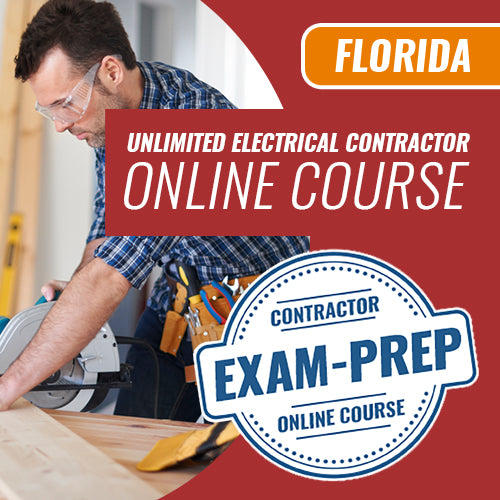
Online courses can help you organize a subject that includes many code topics and calculation types. Lessons may cover electrical theory, NEC navigation, load calculations, motors, grounding, safety, or test-taking strategies. Exact formats vary, so review the syllabus and access terms for each listing.
Timed practice tests help you learn to read carefully, manage pressure, and notice recurring mistakes. After each attempt, study your missed questions. Separate errors into code lookup, calculations, confusing terms, and simple rushing. Then dedicate the next session to the group with the biggest problem.
Avoid repeating the same quiz until you recognize its answer sequence. Mix problem types and explain your reasoning. If you can teach the answer to someone else in two or three clear sentences, you probably understand the idea better than if you merely remember that question seven was letter C.
A Six-Week Electrical Contractor Exam Plan
In week one, confirm the precise license, code edition, and exam references. Take a baseline practice quiz and organize your books. Week two can cover electrical theory, circuit concepts, wiring methods, and common definitions. Use week three for grounding, bonding, services, feeders, and overcurrent protection.
Week four can focus on load calculations, motors, transformers, and equipment topics included on your exam. Reserve week five for safety and any business or law component you must take. In week six, practice under timed conditions, review your most common errors, and check all examination logistics.
Adjust this outline to your experience and the official topic weights. A candidate who already handles service calculations daily may need more business review, while another may need extra calculation practice. Short, consistent sessions help you spot problems early. The goal is readiness, not filling every evening with endless reading.
How to Choose the Right Electrical Contractor Product
Start by checking what the package is meant to prepare you for. Is it a journeyman guide, a master electrician study resource, an electrical contractor reference set, or a course for a particular state examination? Next, compare code editions, reference titles, course access, rental terms, and practice content.
Choose the format you will actually use. Printed references can be excellent for code study; online lessons can explain difficult concepts; practice exams help reveal gaps; and a complete package may organize several tools together. None of them guarantees a passing grade or state licensing approval.
Explore the Electrical Contractor collection and the individual product descriptions while keeping your official exam outline in front of you. A strong preparation plan combines correct materials, understanding, and repeated practice. You do not need to become a walking NEC index. You just need reliable skills you can use when questions get tricky.
Frequently Asked Questions
Select a question to reveal its answer.
Conclusion: Your Next Step Toward Exam Readiness
Electrical contractor examination preparation begins with knowing what kind of credential you are seeking. A journeyman license, master electrician credential, contractor registration, and qualifying-agent designation can require different experience and tests. There may be local rules, separate business examinations, and different editions of the National Electrical Code. Because of those differences, the first task is to read the current bulletin from your licensing agency. Record the exact exam name, subject breakdown, permitted references, and application requirements. That information is your study blueprint. Without it, you could work hard and still prepare for the wrong examination.
The right resources should fit that blueprint. A codebook may be essential for learning the language of electrical requirements. A calculation guide can help you practice services, feeders, load methods, and equipment-related math. A contractor reference package might also contain workplace safety, project management, energy, or business materials. Online lessons and practice exams can provide structure and reveal knowledge gaps. But a product with an impressive list of books is only valuable when those books match your examination. Check edition years and the specific items included rather than assuming every electrical package serves every candidate.
A strong technical foundation connects rules with their purposes. Grounding and bonding support electrical safety, while conductors, wiring methods, and overcurrent devices must be selected and installed according to applicable requirements. Motors, transformers, services, and feeders create calculation questions where the first challenge is choosing the correct method. Learn to identify what each problem asks before reaching for a formula. Then show your work, keep units clear, and review the code provisions that apply. Your goal is not to remember a few lucky answer letters. It is to recognize the underlying idea when a question is worded differently.
Practice should also match the examination format. If your exam allows approved references, rehearse code lookups with a timer and learn how the index, article structure, tables, and exceptions work together. Check whether highlighting or tabs are permitted. If your exam is closed-book, practice recalling and applying the rules without a book beside you. Safety must remain part of both approaches. Learn to recognize electrical hazards and professional responsibilities, while leaving real energized work to properly qualified people following established procedures.
If your license path includes business or law, make room for those subjects on your calendar. Contracts, bidding, financial records, insurance, and project management matter to a contractor even though they are different from load calculations. Use separate review sessions if that helps you remain balanced. A six-week plan can organize code topics, math, safety, business review, and timed questions, but you may need more time depending on your experience and work schedule. Consistency beats cramming in most cases.
Before exam day, confirm identification requirements, testing-center policies, approved materials, and any next licensing steps. Look at the Electrical Contractor collection as one place to compare preparation options, then verify everything against the official authority. No book set can promise a license. Still, the right references and a reliable routine can help you approach difficult questions with understanding instead of guesswork. That is the kind of confidence worth building.
Key Takeaways
- Confirm the electrical contractor exam, local licensing requirements, NEC edition, and any separate business test first.
- Compare trade book sets, NEC study materials, calculation guides, online courses, and permitted reference formats.
- Prioritize grounding and bonding, wiring methods, services, loads, overcurrent protection, motors, safety, and math.
- Practice reading exact NEC rules and solving timed questions; adjust the method for open-book or closed-book testing.
- Use a six-week plan as a starting point, review errors regularly, and verify all exam-day requirements with the authority.
Plain-Language Summary
An electrical contractor exam can include many subjects, so the best way to begin is by learning exactly what your licensing agency requires. A journeyman electrician exam, master electrician exam, and electrical contractor exam may cover different skills or professional duties. Some contractor paths also require business and law testing. The rules may change from one state or city to another. Find the official exam bulletin and write down the exam title, required references, National Electrical Code edition, and permitted materials before buying study resources.
The National Electrical Code, or NEC, is an important reference for many electrical licensing examinations. But not every location uses the same edition. The newest published code is not automatically the version used on your test. Your examining authority decides which version and amendments apply. Once you have the correct book, learn how its articles, definitions, tables, and index are organized. Even if your test is closed-book, knowing the code's structure can help you understand the way topics fit together.
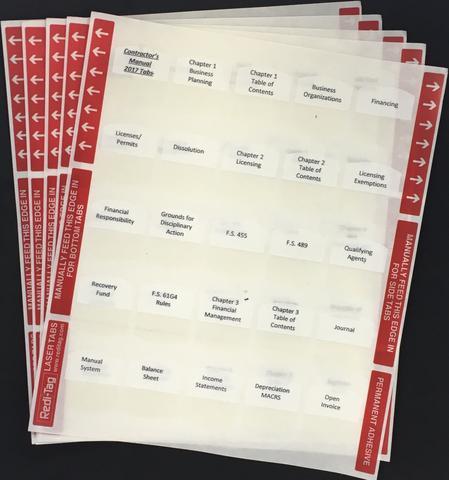
Electrical contractor study materials may include codebooks, calculation guides, safety references, online courses, and practice tests. Some larger book sets also cover project management, energy requirements, and business topics. A highlighted and tabbed package may help organize reading or permitted open-book study. However, a package meant for one examination is not guaranteed to fit another state. Compare the exact included references with your official list. Check course access and rental conditions where applicable.
Common technical topics include grounding and bonding, branch circuits, feeders, services, conductor sizes, wiring methods, raceways, boxes, and overcurrent protection. Some tests also include motors, transformers, load calculations, and electrical equipment. Study the purpose of each rule, then solve questions that require you to apply it. When doing calculations, keep each step and unit visible. This makes it easier to discover where an error happened. Do not depend on remembering an answer letter from a familiar question.
Safety is another important part of contractor preparation. Electrical hazards can cause serious harm, so understand the basic responsibilities involved in planning and supervising safe work. Follow qualified-work practices and applicable rules; studying for an exam is not a reason to attempt unsafe live electrical work. Contractor-level candidates may also need to study contracts, bidding, bookkeeping, insurance, or licensing duties. These business subjects deserve dedicated attention if they appear on the exam.
A practical six-week plan starts with the exam outline and a baseline quiz. Continue through electrical theory, wiring methods, grounding, protection, calculations, and equipment. Save time for safety, business topics, and practice questions. In the final week, review weak areas and practice within the test's time limits. If your examination permits books, train with approved references. Otherwise, practice explaining the rules without looking them up. Before test day, check identification, calculator rules, and what you can bring. The Electrical Contractor collection can help you compare learning options. The important thing is choosing the right exam materials and using them regularly. Consistent practice builds understanding, and understanding helps when the test presents a new problem.