










Florida State Irrigation Contractor Exam Prep and Certification Guide
A well-designed irrigation system should water the landscape, not the sidewalk, the neighbor's driveway, and everything else in sight. Preparing for Florida irrigation contractor certification requires the same careful attention to detail. You need to understand layout, hydraulics, backflow protection, safe installation, and the business rules that apply to contractor licensing. This guide explains the credential, exam preparation, and practical steps.
Start with the Florida State Irrigation Contractor collection and check the Florida DBPR construction licensing FAQ. Florida's statewide irrigation specialty certification is voluntary, while the authority it grants is still limited by its defined scope and other applicable rules.
Understand Florida's irrigation specialty license
Florida offers a Certified Irrigation Specialty Contractor credential through its Construction Industry Licensing Board. It covers irrigation work within a defined statutory and regulatory scope, including installation, maintenance, repair, alteration, extension, and related activities. It is not the same as a plumbing license, and it does not authorize every type of underground utility or water-supply project.
Start by reading the scope before you study. Write down the work you want to advertise, the kind of systems you install, and where you plan to operate. If a project includes work outside the irrigation specialty, investigate other license and permit requirements instead of assuming a single credential covers everything.
Know that statewide irrigation certification is voluntary
Florida's DBPR explains that certified irrigation specialty licensure is voluntary. The new statewide specialty credential provides an alternative pathway to certain local irrigation competency arrangements or broader licenses; it does not, by itself, create a mandatory new state license for every irrigation worker. That distinction can save a business from making incorrect promises.
Voluntary does not mean rules disappear. Local requirements, permitting, backflow protection, and the scope of regulated work can still matter. Confirm the specific location and project type with the appropriate authorities. Choose the statewide credential because it matches your business needs, not because a sales headline says everyone must have it.
Distinguish certification from local registration
A Florida certified contractor generally has authority within the statewide scope of the license, while registered contractor arrangements are tied to local competency and their accepted geographic limits. For irrigation work, the DBPR's specialty-license FAQ explains why a statewide certification can be useful to companies working in multiple jurisdictions.
Compare where you expect to work in the next few years. A contractor serving one local market may have different needs from a business expanding across Florida. Do not assume a local certificate and a statewide license are identical. Review the exact authority and any local permit conditions before accepting projects.
Understand the licensing and testing authorities
The Florida Department of Business and Professional Regulation works with the Construction Industry Licensing Board on contractor licensure. The state construction exam process uses Professional Testing, Inc. for candidate registration and Pearson VUE for computer-based testing. These organizations have different jobs, which can confuse applicants.
Use the official Florida construction examinations page to identify registration and scheduling instructions, and use the DBPR licensing portal to find the appropriate issuance application. A prep school may help you study or organize documents, but it cannot approve exam eligibility or grant the certificate.
Prepare for trade knowledge and Business and Finance
Florida's Division 2 contractor examination route generally separates Trade Knowledge from Business and Finance. The trade portion tests irrigation system work, while Business and Finance checks whether a contractor can understand the financial and management duties involved in running a licensed operation. It is wise to prepare for both tracks deliberately.
Keep different notebooks for technical calculations and business terms. Check the current Florida examination guide for the category and the exact modules that apply to your case. Do not assume the Business and Finance test is included automatically in a trade-only online course.
Practice open-book exam navigation
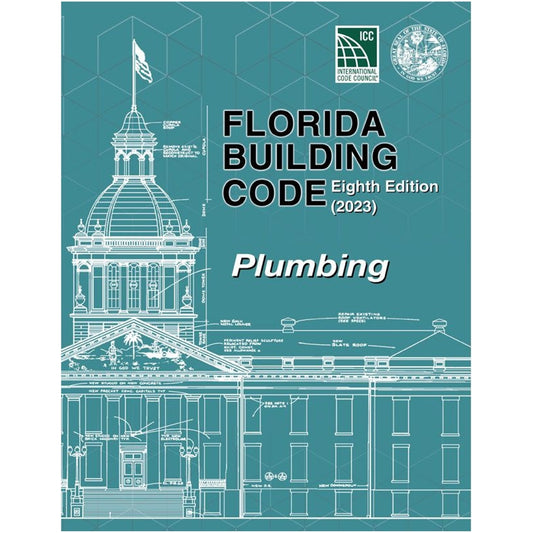
Florida's construction examinations are multiple-choice and open book, according to the DBPR exam information. However, only approved references are admitted. The ability to find a rule quickly matters just as much as recognizing what a question is asking. Open book is not the same as open internet.
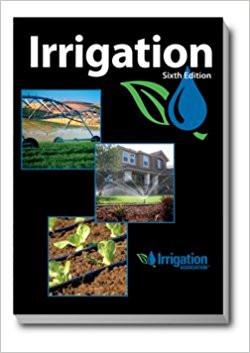
Start each practice item by identifying whether the answer should come from an irrigation manual, plumbing code, safety reference, or business source. Use the current official reference list to confirm permitted editions and marking rules. Build speed through timed searches instead of relying on tabs you have never practiced with.
Learn irrigation layout and coverage
A good irrigation design begins with an understanding of planting areas, site conditions, water needs, and head spacing. An attractive sketch can still perform poorly if coverage is uneven or the components are poorly matched. Exam practice often uses simple layouts to test how well you connect design principles with field conditions.
Study sprinkler head selection, spacing, zones, and the effect of wind or obstructions. Draw a small residential or commercial site and explain where coverage gaps might occur. Do not memorize one perfect diagram; learn what changes when the available pressure, plant needs, or geometry is different.
Understand flow, pressure, and friction loss
Irrigation systems depend on water moving through piping and equipment at useful pressure. Long pipe runs, elevation changes, fittings, valves, and simultaneous demand can affect system performance. The technical exam may require recognizing the correct relationship or working through an approved-reference calculation.
Write down units at every step when practicing. Keep a worksheet for flow rates, pressures, and sizing assumptions. Then connect the numbers to a real outcome, such as a zone that cannot operate properly. A reliable contractor knows when a calculated result calls for redesign rather than hoping the sprinklers will compensate.
Study water supply and backflow prevention
Irrigation systems connect to water supplies and can create contamination risks when protection is inadequate. Backflow prevention helps prevent unsuitable water from reaching a potable system. Device selection, installation, inspection, and local water authority rules can all affect a project.
Practice identifying the source of water, the level of hazard, and the requirements applicable to the connection. Confirm the current Florida plumbing code and local utility rules rather than treating one example as a universal answer. In a real installation, approved devices and qualified inspection are safety issues, not optional accessories.
Know piping, valves, and fittings
Pipe material, pressure rating, fitting type, joint method, and installation conditions all matter. Irrigation contractors must also understand isolation valves, control valves, and how a system can be serviced without creating unnecessary damage. Many exam questions start with a practical field situation rather than a definition.
Create a component chart showing what each item does and when it might fail. Practice matching a material or joining method to the conditions stated in the question. Do not confuse a part's common name with the specific use allowed by the governing code.
Review controllers and electrical coordination
Modern irrigation systems often use controllers, sensors, timing schedules, and valves to manage water application. The irrigation specialty requires practical knowledge of these components, but separate electrical licensing rules may still govern some work. Knowing the boundary is as important as knowing the parts.
Practice diagnosing a zone that does not activate. Work from the simplest possible problem to the next step, while respecting electrical safety and the authority of other licensed trades. Study how settings and sensors affect schedules rather than treating every dry patch as a clogged sprinkler.
Understand installation sequencing
A project can have correct materials and still fail when the installation order is poorly planned. Trenching, existing utilities, sleeves, piping, valves, testing, and restoration must be coordinated. Misplaced piping is hard to fix after hardscape or landscaping is restored.
Create a step-by-step field checklist for locating utilities, confirming the plan, installing components, flushing and testing, and documenting the final layout. Connect each step with the code or specification that supports it. A good exam answer often follows the proper sequence rather than a clever shortcut.
Test systems before closing the job
Water pressure, leaks, coverage, controller operation, and protection devices should be checked before a client considers an irrigation installation finished. A tiny buried leak can waste water and damage the surrounding site long after the contractor leaves.
Practice writing a commissioning checklist. Include the observed results, any adjustments, and what must be explained to the owner. For exam questions, distinguish an installation test from a design calculation or later maintenance inspection. Clear records make it easier to resolve problems without guessing about what was installed.
Use safe excavation and jobsite procedures
Irrigation work may involve trenches, power tools, vehicles, chemical exposures, and sites shared with other contractors. Construction safety rules still matter even when the trenches are shallow or the project looks routine. Underground utilities are a particular hazard during layout and digging.
Study the applicable OSHA construction reference and local utility-location procedures. Imagine a project that starts with wet soil and limited access, then identify hazards before beginning work. It is easier to learn the safety decision in a calm study session than to improvise it under field pressure.
Learn maintenance, audits, and troubleshooting
Irrigation work continues after new installation. A contractor may inspect coverage, repair leaking components, adjust schedules, find pressure problems, or audit water use. These tasks require understanding how a healthy system should behave so that the real cause of a failure can be identified.
Build a troubleshooting tree for low pressure, uneven coverage, a stuck valve, or a controller problem. Note the symptoms, possible causes, and the test that would separate them. Avoid replacing parts at random when a simple measurement could identify the issue.
Study water efficiency without oversimplifying
Efficient irrigation is not achieved simply by watering less. Plant needs, soil, local conditions, equipment selection, and proper scheduling all influence performance. Systems that run too long waste water, while systems that run too little can damage landscaping and invite expensive callbacks.
Work through practical examples of zone scheduling and nozzle selection. Ask how seasonal conditions or a newly planted area might change the plan. For the exam, use the accepted reference material and specific question conditions rather than relying on a single rule of thumb.
Build Business and Finance confidence
Business questions may address accounting, estimating, contracts, risk, insurance, and business organization. A contractor can be excellent at laying irrigation pipe and still struggle with cash flow or change-order management. The exam reflects the responsibilities that come with operating a contracting company.
Create short examples of material purchases, labor costs, progress payments, and contract changes. Use the approved business reference to confirm terminology. Keeping the technical and financial study tracks distinct will also help you identify the right source quickly during a timed examination.
Choose a suitable 1 Exam Prep product
The Florida State Irrigation Contractor collection offers several types of preparation, including a trade-focused online course and rental book and course packages. A candidate who already owns the right books may need a different product from someone organizing a full study library.
Review what is actually included, the access period, whether books are rented, and any deposit or return terms. Do not assume a course purchase includes official examination fees, an automatic license, or Business and Finance preparation unless the individual listing specifically says so.
Check the current reference editions
Irrigation codes and licensing references can change. A product listing may mention one version while the testing authority has already announced a newer reference cycle. That can leave a candidate studying the wrong table or searching for a section that moved.
Use the DBPR's approved reference list and candidate information booklet as the final reference. Write each title and edition into a comparison sheet before buying. If there is a mismatch, ask for clarification before placing the order or scheduling an exam.
Make a practical six-week plan
Begin with the licensing pathway and reference checklist, then spend several sessions on irrigation design, hydraulics, water supply, components, and safe installation. Add maintenance and troubleshooting questions, followed by a dedicated Business and Finance block. Save the final week for timed mixed practice.
Schedule short sessions with a single clear outcome, such as solving three pipe-sizing problems or locating four backflow provisions. Keep a log of mistakes and the reference that resolves them. A steady routine is more effective than rereading everything in one frantic weekend.
Understand what passing does and does not do
Passing Florida's examinations is an important milestone, but it does not automatically issue a contractor certificate. DBPR licensing applications can require evidence of experience, financial responsibility, and other eligibility documentation. The board determines when the credential is approved and active.
Keep your score notices and official letters organized. Complete the applicable issuance application and wait for final approval before representing yourself as certified. Once licensed, monitor renewal and continuing education responsibilities. Good administration protects the time you invested in studying.
Use official and shopping resources together
A retailer can help you find course options and reference sets, while the regulator provides binding licensing and exam instructions. Those resources complement each other but should not be confused. The best preparation decisions begin with the right official exam category and finish with material that matches it.
Review Florida DBPR's construction licensing FAQ and construction examination instructions alongside the 1 Exam Prep irrigation collection. Keep your notes dated so you can revisit changes to the reference list, test format, or licensing application before the appointment.
Recommended study materials and official resources
Use the following links to compare available materials with the current licensing and examination requirements. Product pages describe shopping options; regulators control legal authority, testing rules, and accepted reference editions.
Your practical next-step checklist
- Confirm whether statewide certified irrigation specialty status is appropriate for your projects.
- Review the precise specialty scope and local permitting requirements.
- Check DBPR's current exam outline and approved reference list.
- Choose courses and books that match the official requirements and your study needs.
- Practice trade calculations, code searches, and Business and Finance questions.
- Apply and schedule through the official Florida examination process.
- Complete DBPR license issuance and ongoing compliance after passing.
Frequently Asked Questions
Conclusion
Florida irrigation contractor preparation begins with understanding what certification actually does. The statewide Certified Irrigation Specialty Contractor credential is a real licensing option, but Florida describes it as voluntary. That is an important distinction for anyone who hears a sales message suggesting every irrigation worker must hold the same certificate. The right path depends on your work, local requirements, and plans for operating across the state. Before studying, define the work you intend to perform and verify which license or local authority is appropriate.
The technical side of this field connects design decisions with real consequences. Proper head spacing, flow, pressure, water supply, piping, valves, and controller operation all affect system performance. Backflow prevention helps protect drinking water, while safe excavation and installation practices protect workers and property. A candidate who understands the relationship among these subjects is better prepared for questions that describe actual job conditions. More importantly, that understanding leads to better decisions once the examination is over.
Florida's construction examinations are open book under the current program, but successful preparation still requires deliberate practice. The reference list is controlled by the state, not by whatever happens to be on your shelf. You need to identify the question's subject, open the right source, find the applicable rule or table, and answer without spending too much time. Practice with the correct editions and use timed drills to make book navigation feel natural. An impressive set of tabs cannot help if you have never used them.
The business side is another part of the journey. The Division 2 path generally includes Business and Finance along with the trade knowledge component. Business questions can require knowledge of contracts, costs, organization, and responsible management. Those skills are especially important for contractors who intend to hire workers, estimate jobs, and communicate with customers. Study them as a separate topic rather than assuming strong field experience will carry you through the whole examination process.
When choosing preparation materials, compare course and book descriptions carefully. Some 1 Exam Prep options focus on trade practice, while others describe rental references, live classes, business study, or application support. Check access periods, deposit conditions, and which items are included before purchasing. Do not confuse a private study service with the official exam fee or the state's license issuance. The DBPR and its testing partners decide the process, and their current materials control the reference editions and testing rules.
Passing the required exams is a milestone, not the finish line. Florida may still require documented experience, financial responsibility, application details, and final approval. Keep records organized and do not advertise yourself as certified before the authority issues the credential. After approval, maintain any applicable renewals and continuing education. The same careful recordkeeping that helps with an application will also help a contracting business handle jobs, inspections, and customers.
A useful next step is to open the official Florida irrigation scope description and the latest examination bulletin, then compare them with your target job market and available study materials. Start a weekly routine with one design topic, one calculation topic, and one reference drill. Repeat that routine until you can explain why an answer is correct, not merely recognize it. That is a solid foundation for examination readiness and professional irrigation work.
Key Takeaways
- Florida's Certified Irrigation Specialty Contractor is a voluntary statewide specialty certification with a defined scope.
- Prepare for technical work involving design, hydraulics, water supply, backflow prevention, installation, controllers, and troubleshooting.
- Use DBPR's approved open-book references and verify exact editions and examination components before purchasing materials.
- Keep Trade Knowledge and Business and Finance study on separate, focused schedules.
- Passing exams does not automatically issue the certification; finish DBPR application and approval steps.
Plain-Language Summary
This Florida irrigation contractor guide explains the basic licensing and study path in plain language. Florida offers a statewide Certified Irrigation Specialty Contractor credential. The state says that this specialty certification is voluntary, which means it is not a new mandatory state license for every person doing irrigation work. Still, local rules, permits, and the proper trade license can matter. If you plan to work across Florida, the statewide credential may be useful. Start by checking what work the license covers and whether it fits your business.
The technical topics include irrigation design, water pressure, flow, pipe sizing, valves, sprinkler coverage, controllers, installation, and repair. You should also study how irrigation systems connect to water supplies. Backflow prevention is important because it helps protect drinking water. A good way to learn these subjects is to draw a small system, label the components, and work through a problem. Ask what might change if the source pressure drops or if the property has a different shape.
Florida's construction exams are generally open-book multiple-choice tests. That does not mean you can bring any book or use the internet during testing. The DBPR publishes a list of approved reference materials and exam information. Make sure you are studying the correct editions before buying or highlighting books. Practice finding answers with a timer. If you spend too long searching a reference, the clock can become a bigger problem than the question itself.
For the relevant Division 2 contractor pathway, candidates generally prepare for Trade Knowledge and Business and Finance. The business material is about the practical responsibilities of running a company, such as money, contracts, estimating, and management. Keep the business topics separate from irrigation calculations so both receive enough attention. Review the official exam outline before choosing a course. A trade-only program may not include the business preparation you need.
1 Exam Prep has irrigation study resources that may include online lessons, practice questions, reference books, rental packages, and additional assistance. Different products include different services. Read the product page for the access period, book ownership or rental details, any deposit, and what is not included. Buying study materials does not register you automatically for the official state examination or grant a license. Florida's testing registration and scheduling are handled through the official program and its contractors.
After the exams, the state may still require an application, experience verification, financial information, and other approvals before you are licensed. Keep your notices and application paperwork together. Do not begin advertising yourself as a certified contractor until the official credential has been issued. After that, check renewal and education requirements so the license remains in good standing. When you have questions, the DBPR and CILB are the final sources for the rules.
The best first step is a small one. Confirm your intended work, check the current state examination material, and choose references that match the official list. Then schedule regular study sessions and solve a few realistic examples every week. Learning how the system works will help you more than trying to memorize hundreds of disconnected answers.