













Georgia Electrical Contractor Exam Prep: Class I, Class II, Books and Licensing Guide
Preparing for a Georgia electrical contractor exam is about more than knowing where the breaker panel is. Georgia offers restricted Class I and unrestricted Class II electrical contractor credentials, and the correct path depends on the work you want to perform. This guide explains how to confirm your license class, prepare an application, organize electrical reference books, and build a study routine that actually survives a busy workweek. Begin with the Georgia Electrician collection, but compare every item against the Georgia board’s current exam and licensing rules. Think of your books as a map: useful only when you know the destination and can read the signs.
Important Details to Check First
Georgia’s State Construction Industry Licensing Board issues contractor licenses, not a separate statewide journeyman electrician license through this board. The Class I license is restricted; Class II is unrestricted. Verify your intended scope before buying materials.
Board approval, experience documentation and current exam-reference rules matter. Some store listings show different NEC editions and older preparation products, so check the testing window and exact product contents.
Choose the right Georgia electrical contractor class
Georgia licenses electrical contractors through a restricted Class I category and an unrestricted Class II category. Class I covers single-phase electrical installations that do not exceed 200 amperes at the service drop or service lateral. Class II reaches beyond those restrictions. The difference is about the kinds of projects the credential allows, not simply which exam sounds easier. A contractor planning larger or more complex jobs should examine the actual work scope before choosing a route.
Start by listing the systems you expect to install, repair, or manage: residential branch circuits, service equipment, commercial distribution, or larger facilities. Compare those jobs with the Georgia Board’s current classifications. If your business plan includes work outside a restricted license, discovering that after purchasing books is an expensive surprise. The license category should come first, then the candidate application, approved exam, and study materials.
Understand Georgia's licensing board and application
The Georgia State Construction Industry Licensing Board’s electrical division determines eligibility for contractor licensing. An applicant generally submits work history, references, identification and other information before receiving authorization for the examination. The Georgia Secretary of State’s electrical contractor application guide describes current filing steps through the GOALS licensing portal. A prep course helps you study, but it cannot substitute for approval of your application.
The important difference is between getting ready to test and being eligible to test. Read the application instructions before investing heavily in your exam schedule. Collect the names of supervisors, project descriptions, and dates while the details are fresh. A clear, accurate application is much easier to review than a collection of half-remembered job titles. If the board asks for additional information, answer the specific request instead of guessing which document might help.
Document qualifying electrical experience
Georgia’s licensing rules require electrical field experience, and the board reviews whether that experience meets the applicable classification. Applicants should be ready to show direct involvement in electrical installation and other qualifying duties, not merely years employed by a contractor. Relevant records may include project summaries, employer information, the kinds of systems worked on, and a reasonable timeline. Being near an electrical panel on a jobsite does not make every hour an electrical experience hour.
Before you submit anything, compare each claimed duty with the state licensing rule. Keep truthful details about planning, installation, testing and supervision when those activities apply to your history. Do not stretch descriptions to fill a gap. Board reviewers can request clarification, and accurate evidence protects both your application and your future professional reputation. Ask the board how to document unusual experience, military service, or work completed outside Georgia.
Prepare the required references and documents
Georgia’s rules call for three references about an applicant’s electrical experience, including at least one from a licensed electrical contractor. References are more useful when the people signing them can describe actual tasks and responsibly speak to the applicant’s ability. Contact each person early and confirm that they are willing to provide the information required on the official form. A missing signature or incomplete license number can slow a process that otherwise looks straightforward.
Make a small application folder with your completed forms, proof of experience, reference details, fee record, and copies of anything submitted. Use the official application checklist as the final authority because forms and fees can change. A folder may not be exciting, but it beats searching three email accounts for an old supervisor’s address the day before a deadline. Separate application tasks from study tasks so a paperwork problem does not interrupt your preparation routine.
Study the National Electrical Code with purpose
Electrical contractor exams measure the ability to interpret code rules in practical situations. For most candidates, the National Electrical Code is a core study reference, but the permitted edition must match the current Georgia exam reference list. Focus on branch circuits, conductor ampacity, overcurrent protection, grounding and bonding, wiring methods, special equipment, and working-space rules. Your goal is to find the applicable rule and understand its conditions, not memorize a page number without context.
Create a lookup routine: identify the installation, decide which rule applies, find the relevant article and table, and check exceptions before choosing an answer. Practice with examples that combine two or three conditions, such as a service size, conductor material and environmental adjustment. Those questions teach you to read carefully. Review the approved 2026 reference edition with the testing authority; a book description mentioning an older year is not confirmation that the edition is accepted on your date.
Practice electrical calculations instead of guessing
Electrical calculation work can involve conductor sizing, load calculations, voltage drop, service or feeder sizing, and motor-related requirements. The right approach begins with understanding what the problem is asking. Is the answer a minimum circuit rating, a conductor size, or a total calculated load? Write down known values, units, and assumptions before reaching for a formula. A clean method prevents common mistakes like mixing amperes with volt-amperes or skipping an applicable adjustment factor.
Build a one-page practice checklist for every calculation: draw a quick diagram, locate the code rule, select the proper table, perform the math, and check whether the answer makes physical sense. Work several problems of each type under a time limit. When you miss one, identify the mistake rather than merely copying the correct number. Sometimes the arithmetic is fine and the wrong code table is the actual troublemaker. Fixing that habit helps on the exam and on actual work.
Read electrical plans and job specifications
Examination questions may describe a site through drawings, schedules, symbols or written project details. Electrical plans show circuit arrangements, panel locations, equipment and service information, but a drawing does not replace the code. Review symbols and common abbreviations, then connect each plan note to the installation requirement it affects. For example, a panel schedule and a floor plan may both matter to a question about an electrical branch circuit.
Practice reading a drawing from the general notes down to the detail. Identify which information is supplied, which must be calculated, and which must be checked in an approved reference. If a problem describes an existing installation, determine whether it asks for a repair, modification or new work condition. Good plan reading turns a crowded page into a short list of decisions. It also helps prevent avoidable field errors when a crew is working from a revised drawing.
Learn grounding, bonding and electrical safety
Grounding and bonding have related but distinct purposes. Electrical grounding concepts involve system connections and fault behavior, while bonding establishes electrical continuity among metallic parts that must be connected. Study the terminology before trying to solve complex field questions. A vague memory that 'everything metal gets a wire' is not a reliable way to select the correct conductor or connection method. Rules vary with the system, equipment and location.
Safety is equally important. Review shock and arc-flash hazards, lockout or tagout concepts, suitable personal protective equipment, safe working distances and OSHA-related duties where those subjects appear in the approved outline. An exam answer should reflect the specified safety rule, not a risky shortcut someone once demonstrated on a job. The safer practice is also the one that better protects workers, customers and your contractor license.
Connect business law to electrical contracting
Georgia electrical contractors need more than technical skill. Contracts, employee responsibilities, estimating, recordkeeping, and regulatory duties influence whether an otherwise successful job stays successful. Study the business and law material in the exam’s current reference list. Know how a project moves from a written proposal to an agreed scope, change order, billing and closeout. When contract language is unclear, do not assume every extra task is automatically included.
Build simple examples: a customer requests additional outlets after the contract is signed; material prices change; a subcontractor arrives late; a permit correction requires new work. Ask what records should exist and who must approve a change. These questions connect legal ideas with ordinary electrical jobs. Business topics can feel less exciting than wiring calculations, but they become very interesting when a disagreement turns into an unpaid invoice.
Separate estimating from final pricing
An electrical estimate should account for labor, devices, raceways, conductors, panel equipment, site conditions, equipment rental, permits, overhead and other project costs. Exam questions may test quantities, material usage or general contracting methods. Practice estimating from a clear scope instead of guessing from the square footage of a room. The smallest missed detail can change labor or material needs, especially when access or coordination is difficult.
Use a standard worksheet for mock projects. Begin with the drawing notes, count devices and fixtures, measure reasonable material runs, then add labor assumptions and indirect expenses. Compare your estimate with the project requirements and explain any allowance. An exam prep package can help you practice the process, but it does not replace sound judgment or actual supplier pricing. Learn the reasoning behind the numbers so you can adapt when a question changes one condition.
Choose study books by edition, not just title
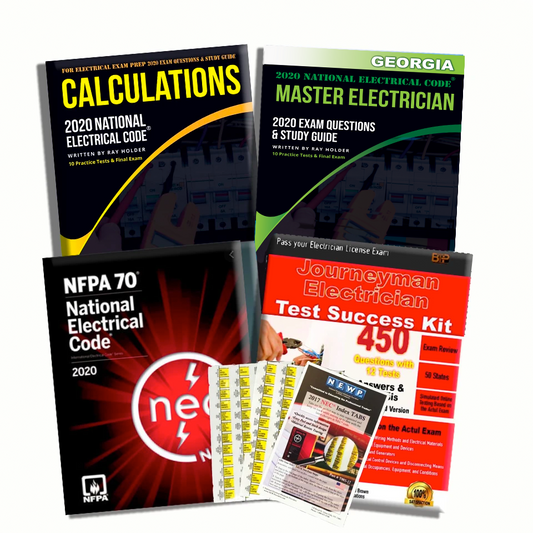
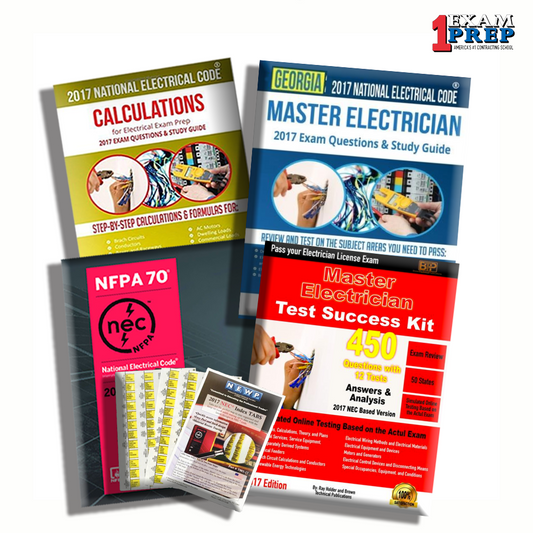
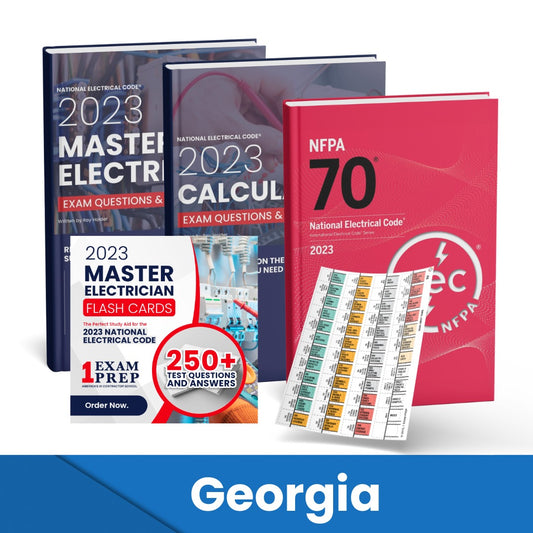
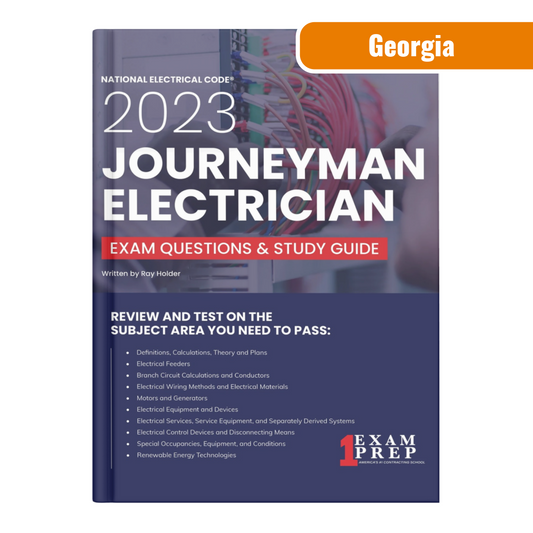
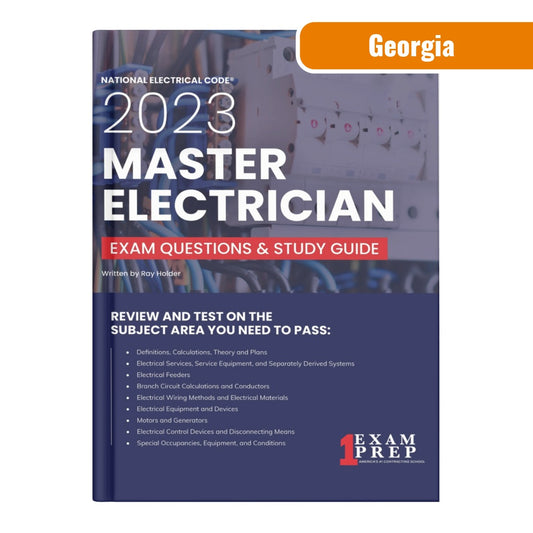
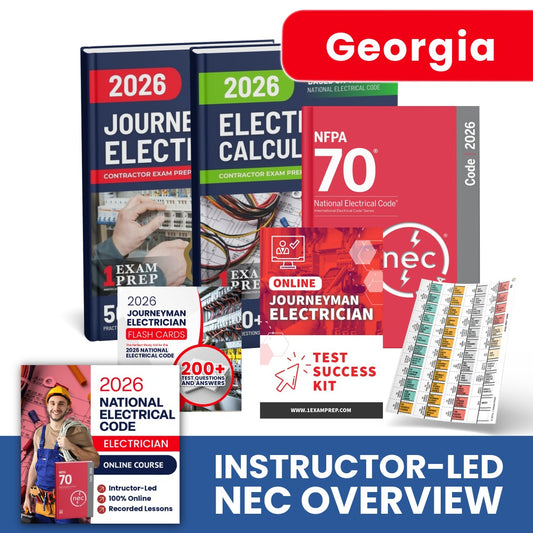
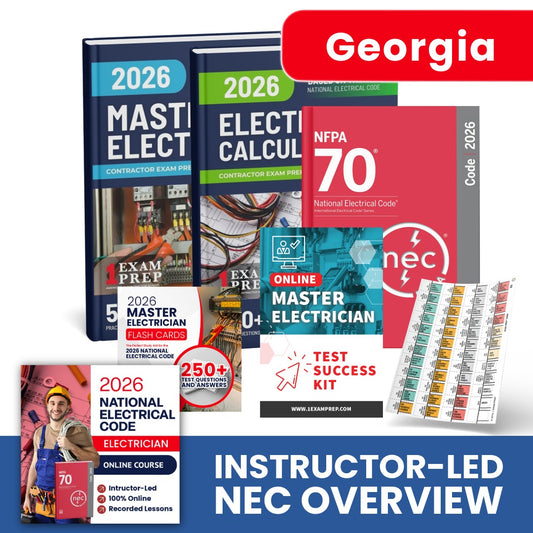
1 Exam Prep offers a Georgia Electrical Contractor Book Package for Class I and Class II candidates. Some products also bundle rentals or online study access. A package title is a starting point, not proof that every book matches your own exam date. Georgia’s accepted reference editions can change, so compare the newest official list with each book’s exact title, edition and publication year.
If you already own part of the set, check whether a full bundle would duplicate those purchases. If you rent books, inspect the return deadline, deposit, condition requirements and shipping terms. Ask whether highlighting, tabs, study videos or instructor help are included or sold separately. A product can be valuable while still leaving out something you need. Build an item-by-item comparison before spending money, particularly when older product pages remain visible on the website.
Organize books with legal highlighting and tabs
A reference-permitted electrical exam rewards fast, accurate navigation, but materials must follow the testing center’s rules. Georgia’s reference notices have permitted highlighting, underlining and permanent tabs in approved books while restricting handwritten notes and extra papers. Check the latest candidate notice rather than assuming every sticky flag will be allowed. A book may be perfectly useful at home and still fail a test-center materials inspection.
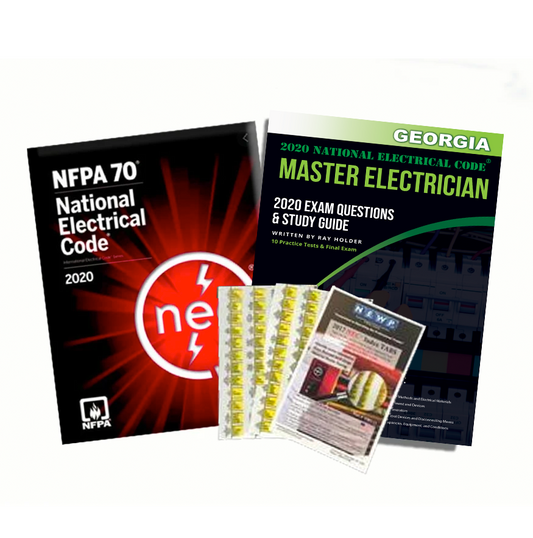
For a ready-made option, review the Georgia Electrical Contractor Pre-Printed Tabs listing. Tabs can help you find a chapter quickly, but they do not tell you which chapter solves a question. Practice with the exact books you plan to use. Keep markings tidy, avoid crowding the edges, and learn a backup lookup method through the index in case a particular tab is not available.
Use timed practice questions wisely
Practice questions should build decision-making, not become a list of answers you can recite. Start with untimed exercises while you learn the code structure. Then move to timed sets that mix calculations, technical requirements, safety and business topics. Record whether an error came from reading, math, a wrong reference, or lack of knowledge. That information makes tomorrow’s study session more useful than simply repeating the same quiz.
A practical review log needs only four columns: topic, what went wrong, correct reference, and the next practice date. Return to missed questions after a day or two and solve them without looking at the earlier answer. If you get a problem right by lucky guessing, mark it for review anyway. Your goal is consistent understanding under exam conditions. Familiarity with the testing format lowers confusion, while stronger reference skills improve accuracy.
Make a realistic four-week study schedule
Week one can focus on the license scope, exam outline, codebook organization and the most common electrical rules. During week two, work calculation problems and wiring-method scenarios. Week three can combine plan reading, safety, and business or law questions. Week four should be devoted to timed mixed sets, correction of weak areas, and checking all candidate instructions. This sequence is adjustable, not a guaranteed timeline for every applicant.
If you work long shifts, use two focused 25-minute blocks instead of expecting a perfect three-hour evening. Keep one longer practice session on a day off. Review a manageable number of tabs and tables each day. The goal is a habit you will follow, not a beautiful calendar that nobody opens after Tuesday. Consistency turns electrical experience into exam-ready problem-solving, especially for topics you do not encounter often on the job.
Understand exam admission and test-day rules
Applicants should wait for the appropriate board approval and follow the authorized testing instructions for their license class. Confirm your testing provider, location, allowed identification, arrival time, permitted calculators and authorized books. Do not assume a coworker’s experience from a previous testing cycle still reflects the current policy. A practical check the week before the exam prevents an avoidable problem at check-in.
Arrange books and identification the day before. Remove loose notes, check permanent tabs, and know how to use the reference index without relying on memorized tab colors. During the exam, answer clear questions first and mark difficult ones for later if the interface permits. Read the full wording of safety and calculation questions. A rushed answer based on the first keyword often misses an important exception in the final sentence.
Understand what passing does and does not do
Passing a Georgia electrical contractor examination is a major milestone, but it does not by itself activate a license. The licensing board determines approval, and applicants must satisfy the remaining requirements. Maintain copies of score reports, official correspondence and any documents requested after testing. Do not advertise or contract for work outside your legal authorization while an application is pending.
After licensure, keep up with business registration, insurance needs, project permits, continuing education and renewal dates. Georgia’s Electrical Contractors FAQ describes continuing education and renewal rules. Treat those recurring duties as part of operating a professional electrical business. A good exam plan gets you across the first bridge; accurate job and compliance systems help you stay on the road.
Compare the different 1 Exam Prep preparation options
The Georgia Electrician collection contains more than one kind of resource, and a broad collection may also display books intended for different credentials or code cycles. Read the exact product title and description before treating a listing as a match. The Georgia electrical contractor book package, pre-printed tabs, and books-and-course rental package serve different shopping needs.
Compare each option against your current materials and preferred study style. Someone who already owns the correct books may mainly need a course or better reference organization. Another applicant may prefer a single package, provided the included editions are approved. Ask about deposits, access periods, shipping and what counts as a separate purchase. An informed choice is better than buying the biggest bundle and discovering that the one book you needed was already on your shelf.
Build a final pre-exam checklist
A useful final checklist brings together three separate tracks: licensing, study and logistics. Licensing includes board approval and truthful documents. Study includes approved editions, solid code navigation and repeated practice of weak areas. Logistics includes identification, appointment details and test-center reference rules. Check each track separately; a strong technical score cannot fix an incomplete application, and perfect paperwork cannot answer a conductor-sizing problem.
During the last few days, avoid collecting random new study materials. Rework your error log, verify the codebook table locations that repeatedly caused trouble, and perform one realistic mixed practice session. Confirm your appointment and travel plan with the provider. If a rule, edition or scope question is still unclear, go directly to the licensing authority or test vendor. A calm, organized exam day starts with accurate decisions made earlier.
Relevant 1 Exam Prep Products and Official Resources
Check the exact product description and current official rules before ordering a course, book, or service. The links below help you compare study options with the requirements that actually apply to you.
A Practical Action Checklist
- Confirm Class I or Class II scope with Georgia’s Electrical Contractors Board.
- Review licensing eligibility, experience evidence and reference requirements.
- Get the latest examination outline and accepted reference editions.
- Compare books, rentals, courses and permanent-tab products before purchasing.
- Study technical, safety, plan-reading and contractor business topics.
- Practice timed question sets and review every missed answer.
- Verify appointment, ID and examination materials rules.
- Complete the board’s remaining licensing steps after testing.
Frequently Asked Questions
Conclusion
Georgia electrical contractor preparation works best when it begins with a clear licensing goal rather than a shopping cart. Class I and Class II licenses are not interchangeable labels. Their scopes differ, and the work you plan to perform should decide which credential you pursue. Write down the systems you expect to handle, compare them with the Georgia board’s rules, and confirm the right application route. That first decision guides everything that follows, including qualifying experience, references, examination material and business planning.
An application deserves the same care as a wiring diagram. Organize your work history accurately, confirm that your references understand what they must certify, and follow the current Secretary of State instructions. If a board reviewer needs more details, provide the requested information. A polished study schedule cannot make an unsupported experience claim acceptable. Likewise, a strong technical background does not excuse a missing application document. Good professional habits are often made of small, careful checks.
On the technical side, treat the National Electrical Code and other approved references as tools for answering questions, not as decorations for a desk. Learn how articles, tables and exceptions work together. Practice load calculations, conductor selections, grounding and bonding problems, equipment rules and plan reading. When you make a mistake, find the reason. A wrong table, skipped exception or misunderstood unit each calls for a different fix. Timed practice is especially valuable after you understand the fundamentals.
Reference organization can save time, provided it follows testing rules. Choose approved editions, keep highlighting and tabs compliant, and learn the index as a backup. The 1 Exam Prep Georgia collection offers books, tab products and learning packages with different inclusions. Compare those offerings with what you already own and what your test allows. Check rental deposits, course access and other terms rather than assuming the highest-priced option covers every possible need. The right resources support a repeatable learning system.
Finally, remember that passing an exam is one stage in becoming a licensed electrical contractor. The board controls licensing approval, and an active business must continue meeting permit, safety, contract and renewal responsibilities. Use the last week to review weak subjects, verify test-day instructions and arrange approved references. The aim is not to feel that you have memorized every page ever printed about electricity. It is to read the problem, locate the correct requirement, reason carefully and make responsible decisions. That preparation serves you both during the exam and on the job.
One final practical suggestion is to keep two checklists rather than trying to manage everything in your head. The first checklist covers eligibility: license class, experience, references, application documents and board instructions. The second covers readiness: approved books, technical weak points, calculation practice, test logistics and exam-room restrictions. Review both lists each week. If a requirement changes, update only the affected item and follow the official source. This keeps decisions grounded, makes product comparisons easier and gives you a realistic picture of progress. Your best preparation is not a dramatic last-minute push. It is a series of accurate choices repeated until they become reliable.
Key Takeaways
- Confirm Georgia Class I versus Class II scope before filing an application or buying books.
- Document your experience and required references honestly using current state forms.
- Match every study reference to the approved edition and test-center book policy.
- Practice NEC navigation, calculations, safety, plan reading and business responsibilities.
- Remember that a passing exam result does not automatically activate a contractor license.
Plain-Language Summary
Here is the simpler version of the Georgia Electrician exam-prep guide. Georgia has two electrical contractor license classes. Class I is restricted, while Class II has a wider scope. Your first job is to decide which type of work you want to perform and which license fits that work. Do this before picking books or registering for testing. The state electrical contractor board reviews applications, so check its instructions instead of relying only on a store title or advice from another candidate.
Next, gather the paperwork. You may need to describe your electrical experience, show qualifying work and provide references. Georgia’s rules call for three references, including one from a licensed electrical contractor. Use the current official forms. Keep copies of your work records and application messages. If something is unclear, ask the board. Buying a study course does not grant test eligibility, and passing a practice quiz does not replace a license.
Now make a study plan. Learn the layout of the National Electrical Code edition approved for your exam. Practice finding rules about branch circuits, conductors, overcurrent protection, grounding, bonding and wiring methods. Read plan symbols and use realistic calculation problems. For every missed question, write down whether the problem came from a wrong formula, the wrong reference, or reading too fast. Review the mistake again after a few days. This approach builds skill instead of just short-term memory.
Because the exam allows particular reference books under specific rules, you should learn how to use those books quickly. Georgia’s notices have permitted permanent tabs and highlighting, but you must confirm the current materials policy. Loose notes and temporary flags may not be accepted. The Georgia Electrician collection has different options, including books, pre-printed tabs and course packages. Check the exact titles, publication years, rentals, deposits and course access. Do not assume an older listing matches your test date.
In the last week, work several timed mixed practice sets. Review the subjects you still miss, then check your appointment, ID and approved references. After testing, complete the remaining state licensing steps. A passing result alone is not an active contractor license. Once licensed, follow safety rules, contracts, permitting requirements and renewal instructions. The main message is simple: choose the right credential, prepare honest documentation, study with approved materials, and use a plan you can actually follow. That is much more reliable than collecting every electrical book in sight.
You can also divide the whole process into two tracks. The first track is licensing paperwork: find the right class, prove experience, collect references and follow board approval steps. The second track is exam preparation: choose approved books, learn technical rules, practice math and manage your time. Check both tracks every week. If an old product page lists a different code year, do not guess which one is accepted. Look up the current examination reference list. If a coworker mentions a shortcut, verify it before using it. Simple, steady checks make the process less stressful and reduce expensive mistakes. Check everything carefully.