$0.00 USD
$0.00 USD
Getting a contractor license can feel like building an entire project before anyone hands you the blueprints. First you need to figure out which license applies. Then there may be an application, experience requirements, exams, reference books, business questions, trade questions, fees, bonds, and enough paperwork to make a filing cabinet nervous.
The good news? The process becomes much easier when you break it into smaller steps.
This guide explains how contractor licensing and exam preparation generally work, how to choose the right study materials, when books and practice exams can help, what application services are for, how requirements differ from state to state, and how to create a practical study plan.
If you are ready to start exploring available contractor licensing products, courses, books, applications, and exam-prep resources, browse the complete 1 Exam Prep contractor licensing collection.
Contractor licensing is the process of meeting the legal requirements needed to perform or contract for certain types of construction work in a particular jurisdiction.
That sounds simple until you discover that the United States does not use one giant contractor license for every trade and every state.
Licensing can be controlled at the state level, local level, or sometimes a combination of both. Requirements may also change depending on the type of work you want to perform.
Licenses and certifications may exist for trades such as:
Before buying books or studying for an exam, your first job is to identify the exact license you need.
Studying for the wrong contractor examination is a very efficient way to become extremely knowledgeable about a test you never needed to take.
Start with three basic questions:
Your answers determine the licensing path.
A general contractor examination in Florida may look very different from a specialty contractor examination in California. A plumbing candidate may need completely different reference books from an electrical candidate. A NASCLA examination may apply in one situation while a state-specific trade exam applies in another.
1 Exam Prep organizes contractor licensing and preparation resources by state and trade so applicants can narrow down the materials that match their path.
You can begin with the 1 Exam Prep contractor licensing homepage or browse the full contractor exam-prep collection.
Do not assume that passing an exam is the only requirement for becoming a contractor.
Depending on the state and license, applicants may need to satisfy requirements involving:
Some licensing boards require several years of trade, supervisory, journey-level, or qualifying experience.
You may need a trade exam, business exam, law exam, financial exam, or a combination.
Some licenses involve financial statements, credit reports, net-worth requirements, or proof of financial responsibility.
You may need a registered business entity, qualifying agent, bond, insurance, fingerprints, or background information.
The correct order is usually to understand your requirements first and build your preparation plan second.
Contractor examinations are not all built the same way. Some focus heavily on trade knowledge. Others test business, finance, law, codes, estimating, or project management.
A trade exam tests knowledge connected with the work covered by the license. That might mean electrical systems, roofing, plumbing, HVAC, concrete, general construction, or another specialty.
Trade examinations can include subjects such as:
Many contractors also need to pass an examination focused on the business side of contracting.
Common subjects include:
This is where experienced tradespeople sometimes get surprised. Twenty years of excellent field work does not automatically teach you every contract rule or business-law question on a licensing exam.
Some contractor examinations allow approved reference books. Others do not. Some allow specific books but place rules on highlighting, tabbing, notes, or modifications.
If your exam is open book, knowing how to use the references quickly becomes part of your test strategy.
An open-book exam does not mean you have unlimited time to read every chapter until an answer magically appears.
You need to know:
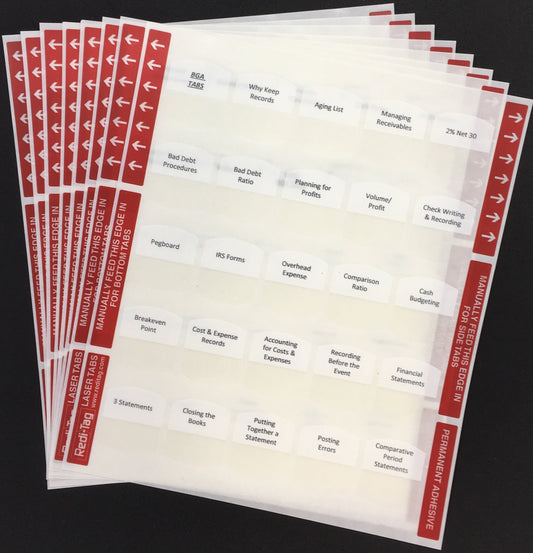
Tabbed and highlighted reference books can help candidates move through approved references more efficiently when permitted by the testing rules.
1 Exam Prep offers contractor exam-prep products that include books, courses, practice materials, and package options for different licensing paths. Browse the complete contractor study collection to compare available resources.
There is no single study tool that is perfect for every candidate. Most people benefit from combining resources.
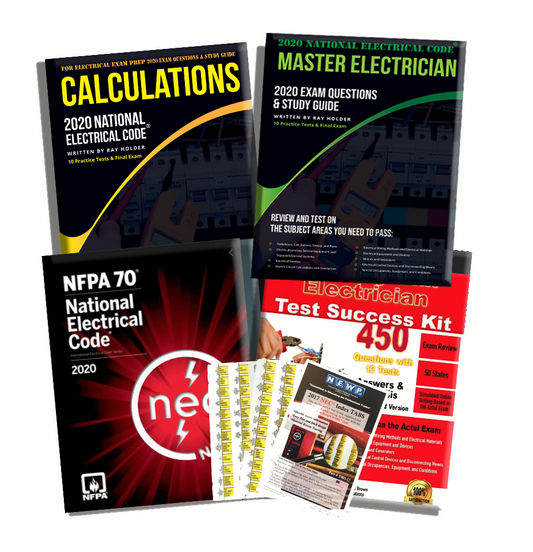
Books can provide the official codes, regulations, manuals, and technical information used for exam preparation and, when allowed, exam-day reference.
Courses can organize a large amount of material into a study sequence so you are not deciding what to review every time you sit down.
Practice questions help test recall, reveal weak areas, and improve your comfort with multiple-choice exam formats.
Bundled packages can combine books, course access, practice questions, and additional preparation resources in one option.
Individual help can be useful when you are stuck on calculations, business concepts, code navigation, or a section you previously struggled with.
Application support can help candidates organize licensing paperwork and navigate required forms more efficiently.
Many people think the exam is the complicated part until they open the licensing application.
Applications can ask for detailed information about your business, experience, qualifying agent, employment history, finances, insurance, and other licensing requirements.
A mistake may not mean your dream is over, but it can create delays, requests for more information, and extra paperwork.
Before submitting an application, check items such as:
If you want additional support with paperwork, visit the 1 Exam Prep contractor application services page.
The biggest package is not automatically the right package. The cheapest option is not automatically the wrong package either.
Choose based on what you actually need.
A focused course plus the required books and practice questions may be enough. You can set your own schedule and work through weak areas as they appear.
Look for preparation that includes plenty of practice questions and strategies for navigating books, eliminating answers, managing time, and handling calculations.
Do not simply repeat the same study plan and hope for a different result.
Identify the section that hurt your score. Use practice results and previous exam feedback, when available, to focus your next round of preparation.
A larger bundled package may make sense if you need books, courses, practice exams, application support, or multiple resources at the same time.
Your study plan does not need seventeen colors, six spreadsheets, and a motivational quote taped to the refrigerator.
It needs to be realistic.
If your exam is already scheduled, work backward from the test date. Give yourself time for initial study, practice exams, weak-area review, and final preparation.
Do not study “the contractor exam.” Study one part at a time.
For example:
Thirty focused minutes several times a week can be more useful than a giant eight-hour study marathon followed by two weeks of avoiding your books.
Regular repetition helps the information stay familiar.
Practice questions are not just a scoreboard.
The point is not to click through hundreds of questions as quickly as possible so you can announce that you studied.
The real value is discovering what you do not know yet.
When you miss a question, ask why:
Then fix the cause.
If you simply memorize that “B” was correct, a differently worded exam question may send you right back to guessing.
If your examination allows books, speed matters.
Suppose you have four reference books and a question about a specific contract rule. If it takes five minutes just to figure out which book to open, the books are not helping very much.
During your study sessions:
The goal is not to memorize the entire library. The goal is to know how to navigate it.
That skill can turn an open-book exam from a scavenger hunt into a manageable process.
Construction and contractor exams may include calculations involving measurements, quantities, pricing, financial topics, or trade-specific formulas.
Depending on the exam, you may see concepts involving:
Watching an instructor complete a calculation is useful. Doing the calculation yourself is better.
Practice until you can recognize what formula or process a question requires without turning every math problem into a personal crisis.
Always confirm your license and exam before ordering books or courses.
If your licensing path includes business or law, give it serious study time.
An open book cannot help much if you do not know where to look.
It feels better to practice what you already know. Your score improves when you fix what you do not know.
Last-minute studying may help review familiar material, but it is a poor replacement for steady preparation.
Exam providers, books, regulations, application forms, and licensing rules can change. Always verify current information.
One of the most important things to understand is that contractor licensing is not identical nationwide.
1 Exam Prep provides contractor exam-preparation resources across the United States, including state-specific and trade-specific options.
Depending on where you are located, you may find preparation for:
Use the state and license selection tools from 1 Exam Prep to start narrowing your options.
NASCLA is another name contractor applicants may encounter while researching licensing.
The NASCLA Accredited Examination Program provides examinations used in connection with contractor licensing in participating jurisdictions. Acceptance and additional requirements depend on the state or agency involved.
A candidate should never assume that passing a NASCLA exam automatically creates a contractor license everywhere.
You may still need to:
If NASCLA is part of your licensing path, use preparation materials specifically designed for the examination you are taking.
During the final days before the exam, your preparation should become more focused.
Contractor exam preparation is really an organization problem.
You may have years of field experience and still need help organizing that knowledge into the categories tested on an examination.
You may understand construction but need extra work on contracts and finance. You may understand business but need help with code navigation. You may know the trade but struggle with timed multiple-choice tests.
Structured preparation gives you a system for identifying those gaps.
1 Exam Prep provides contractor licensing resources that can include online courses, reference books, practice questions, application services, tutoring, rental options, and bundled preparation packages depending on the license.
Browse the complete collection of contractor licensing and exam-prep resources to begin finding materials for your state and trade.
Getting a contractor license can look overwhelming when you see every requirement at once. There may be applications, exams, books, experience forms, business documents, financial requirements, insurance, bonds, fees, and deadlines. Put them all on one page and suddenly building a house can look easier than getting permission to build one.
The solution is to stop treating licensing as one giant task.
Start with the license itself. Identify the exact state, trade, classification, and licensing authority that apply to the work you want to perform. Do not rely on what a coworker took five years ago or what somebody posted in a forum. Licensing requirements change, and two contractors who appear to perform similar work may have different licensing paths.
Next, confirm the requirements. Find out whether you need experience, examinations, financial documents, a qualifying individual, business registration, bonds, insurance, fingerprints, or additional approvals.
Once you know the exam you need, build your study plan around that examination.
If books are allowed, learn how to use them. A reference book is most valuable when you can quickly identify where an answer is likely to be found. Practice using indexes, chapters, tables, permitted tabs, and other navigation tools before exam day.
Use practice questions to measure progress. Do not treat a wrong answer like bad news. Treat it like free information. Every missed question points toward something you can improve before the real exam.
Do the same with calculations. Contractors work with numbers every day, but exam questions may present math differently than a normal jobsite problem. Practice identifying the information provided, choosing the correct formula, checking units, and solving the problem efficiently.
Give business and law topics proper attention too. Being excellent at construction does not automatically make someone an expert in licensing law, contracts, accounting, employment requirements, or business management.
Finally, remember that passing an exam and receiving a license are not always the same thing. You may still have application, insurance, bond, financial, or other requirements to complete after testing.
The goal is not simply to collect a passing score. The goal is to become properly licensed for the work you want to perform.
That process becomes much more manageable when you know the steps and have the right resources in front of you.
Whether you are preparing for general contracting, electrical, plumbing, HVAC, roofing, mechanical, residential, specialty, business and law, or another contractor examination, begin by matching your materials to your actual licensing path.
You can explore courses, books, exam-prep resources, applications, and contractor licensing products in the 1 Exam Prep complete contractor licensing collection.
Your experience already gives you the foundation. The next step is turning that experience into an organized licensing and exam-preparation plan.
Start with the location where you plan to work and the type of construction work you plan to perform. Check the state or local licensing authority responsible for contractors in that jurisdiction and identify the classification that matches your scope of work.
No. Contractor licensing rules vary widely. Some states regulate many contractor classifications at the state level, while others rely more heavily on city, county, or local licensing. Always check the rules where you intend to work.
Some contractor exams allow approved reference books, while others are closed book or place strict limits on permitted materials. Check the current candidate bulletin or testing instructions for your exact examination.
There is no single study period that works for everyone. Your timeline depends on your trade experience, number of exams, familiarity with the books, available study time, and current knowledge. A consistent schedule is usually more useful than last-minute cramming.
Confirm the current exam outline, obtain the correct study materials, break the material into subjects, practice questions regularly, review every mistake, practice calculations, and learn how to navigate approved reference books if the exam is open book.
That depends on the licensing jurisdiction. Some licensing agencies require applicants to document several years of qualifying experience, while others have different requirements. Confirm the rules for your exact license.
The required or permitted books depend on the examination. Check the current official reference list or candidate bulletin before buying books. Make sure the edition matches the current exam requirements.
Tabs can help candidates locate major sections faster when they are permitted by exam rules. Always check the testing provider's rules about tabs, highlighting, notes, and book modifications before bringing references to the testing center.
It depends on your learning style and experience. Practice questions are excellent for measuring knowledge, while a course can provide a more organized learning path. Many candidates benefit from using both.
Retesting rules depend on the licensing agency and testing provider. Review your results, identify weak areas, confirm the retesting procedure, and adjust your study plan instead of simply repeating the same preparation strategy.
A business and law exam generally tests subjects connected with operating a contracting business, such as licensing laws, contracts, employment, project management, accounting, insurance, bonding, safety, and financial responsibilities.
1 Exam Prep offers application-related services for different contractor licensing situations. Visit the contractor application services page to review available options.
NASCLA offers accredited contractor examination programs used by participating jurisdictions. Passing a NASCLA examination does not automatically eliminate every state licensing requirement, so candidates should confirm exactly how the exam applies in the state where they plan to become licensed.
You can browse the complete 1 Exam Prep contractor licensing and exam-preparation collection to explore available resources across different states and trades.
Contractor licensing does not follow one nationwide formula. Your requirements depend on where you plan to work, what type of work you want to perform, and which agency regulates that work.
That is why the first step should always be identifying the correct license. Confirm the state, city, county, trade, classification, and licensing authority before spending money on exam-prep materials.
Once you know your license, review every requirement. An exam may be only one part of the process. Depending on the jurisdiction, you may also need qualifying experience, a completed application, financial records, insurance, bonds, fingerprints, business registration, or other documents.
If an exam is required, determine exactly what you are taking. Some contractor applicants need a trade exam. Others need a business and law exam. Many need both. NASCLA examinations may also be part of certain licensing paths.
Next, obtain the correct study materials. These may include official reference books, online courses, practice tests, tabbed books, tutoring, and bundled exam-preparation packages.
If your exam is open book, do not confuse “open book” with “easy.” You still have limited time. Practice finding information quickly and learn which reference covers each major subject.
Build a simple study schedule. Break the exam into smaller categories instead of trying to study everything at once. Work through one subject, answer practice questions, review missed answers, and repeat weak topics.
Practice questions are most useful when you study your mistakes. Do not simply memorize answer letters. Understand why one answer is correct and why the others are not.
Practice calculations too. Contractor exams can include construction math, quantities, measurements, financial calculations, or trade-specific formulas. Solving problems yourself builds much more confidence than watching somebody else work them out.
As exam day gets closer, shift toward timed practice. Confirm the testing center rules, required identification, permitted books, calculator rules, and any restrictions on tabs or notes.
During the exam, read questions carefully, identify the subject, eliminate clearly wrong answers, and manage your time. Do not let one difficult question consume the time you need for the rest of the examination.
After passing, complete every remaining licensing requirement. A passing exam score may be a major milestone, but the real finish line is receiving the license or approval required to legally perform the work.
For candidates who want one place to begin comparing available courses, books, applications, practice materials, and contractor licensing resources, browse the 1 Exam Prep complete contractor resource collection.