


1 Exam Prep L Collection: A Practical Guide to Licensing Exam Preparation
Planning to take a contractor licensing exam? The right study materials can help you turn a large, intimidating syllabus into smaller lessons you can actually finish. But with study guides, reference books, online courses, practice questions, and bundles on the market, it is easy to buy first and ask questions later. That approach is a little like beginning a construction project without looking at the plan. You might be busy, but you are not necessarily moving in the right direction.
This guide is linked to the 1 Exam Prep L collection. During review, that page was titled simply “L,” and its accessible page text did not identify individual products. Rather than inventing a license category or promising products that could not be verified, this guide explains how to evaluate exam-prep resources and build a solid study plan. Confirm the items currently shown in the collection, along with their editions and descriptions, before purchasing.
Whether you are preparing for a trade exam, a general contractor exam, or a business and law test, the process begins with the same question: What does your official examination require? Once you know that, you can choose materials that support the right skills, study consistently, and avoid creating a mountain of books you never open. Let us make exam preparation a little more organized and a lot less mysterious.
Begin With Your Exact License and Exam Name
Licensing rules vary across states, counties, and cities. Some authorities distinguish between residential and commercial projects, while others separate contractor classifications by trade or qualifying experience. Electricians, plumbers, builders, and specialty contractors can face very different examinations. Before shopping, write down the exact credential you want and the office that issues it. A course that is perfect for your coworker might be a poor match for you if your exams are different.
Next, visit the official licensing board or testing organization's website. Look for the application requirements, candidate bulletin, examination code, content outline, and approved reference list. Find out whether you need experience verification, pre-licensing instruction, business documents, or other prerequisites before you can sit for the exam. Study materials help with preparation, but purchasing them does not make someone automatically eligible for a license.
Keep this information in one folder so you can compare it with product listings. If an exam-prep package uses a different license name, testing code, or jurisdiction, investigate before buying. The goal is to study exactly what your examination expects, not whatever happens to be easiest to find online.
Follow the Official Examination Content Outline
A content outline is your map of the exam. It may divide questions into subjects such as planning, safety, technical installation, maintenance, calculations, regulations, or business knowledge. Some outlines also give weights for each section. When an official outline tells you which areas matter most, you can spend time according to real exam priorities rather than guessing from a textbook's thickness.
Create a simple checklist of every published subject. Add a place to write which chapter, course lesson, or practice question set covers each topic. After studying, mark the subject as strong, improving, or in need of review. You will quickly see whether your study plan is balanced. It also gives you a useful answer when you wonder what to study next: choose the subject that needs attention, not the one you already know by heart.
Download the outline that applies to your specific test date. A friend may have used an older guide, while a course might describe a previous version of the examination. Regulations and exams can change, so the licensing authority's newest instructions should always win when there is a conflict.
Choose the Correct Code Edition and References
Many trade examinations involve technical codes, industry standards, or published manuals. The exact editions matter. A plumbing, electrical, building, or mechanical exam might use different code years, local amendments, or special rules. If your reference book is outdated, you could learn a table, definition, or exception that the current examination no longer uses. That can make even careful studying less useful.
Copy the full title and edition of every approved reference directly from your exam bulletin. Then compare that list with any product you consider. Do not assume that a newer edition is automatically required, either. Some tests continue to use an older code until their examination series changes. The right choice is the edition specified by your testing organization for your scheduled examination.
Check whether the exam is open-book or closed-book. Some providers allow only specific printed references. Others prohibit reference materials entirely. Even when a test is open-book, tabs, notes, handwritten markings, or loose papers may be restricted. Confirm permitted materials before you build a study system around bringing books to the testing center.
When Complete Book Packages Make Sense
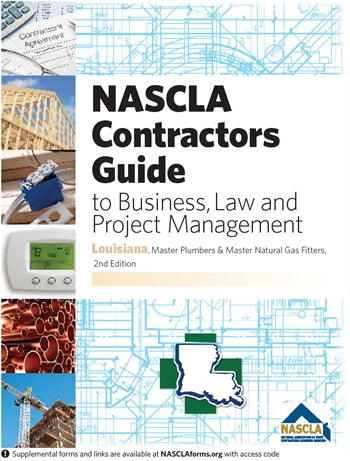
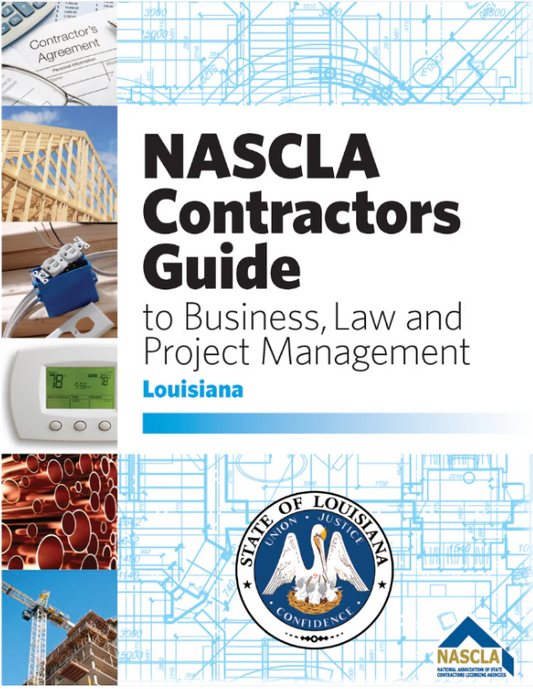
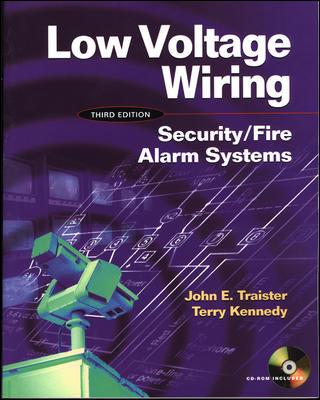
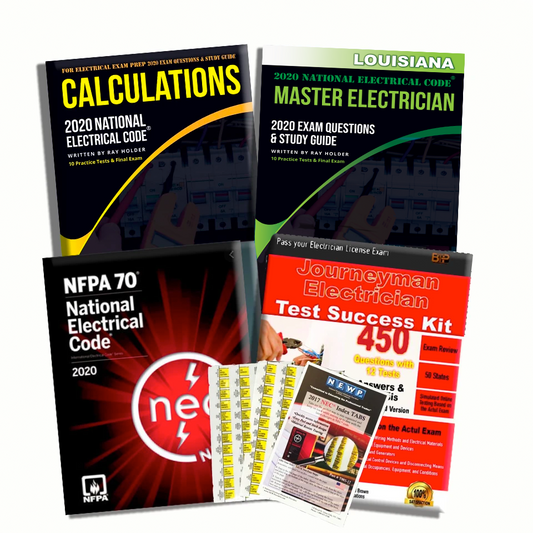
A book package can help candidates who need several references for one examination. Instead of hunting down separate titles, you may find a coordinated set. Packages are not all alike, though. One might include only printed references, another could offer a study guide and tabs, and a third might combine books with online learning. Always read the exact inclusion list instead of relying on the word “complete” in the name.
You can explore the Book Packages collection as a separate resource for comparing formats. Before ordering, check whether the references match your exam, whether you own any of them already, and whether all editions are correct. A bundle can be convenient when you genuinely need every item. If your exam requires one reference, a large package may add more expense than value.
Think about shipping and your study calendar, too. A book that arrives after you planned to finish the relevant chapter cannot help with that week's work. Buying the right set early gives you time to learn how each reference is organized and to practice finding answers rather than opening everything for the first time on exam week.
Book Rentals: Useful When You Plan Ahead
Renting books can make sense when a licensing examination requires several expensive references that you need for a limited time. The most important questions are practical: How long can you keep the books? What are the return conditions? Are there deposits, extension fees, or rules about markings? Read the details before comparing a rental's cost with owning the same material.
The Book Rentals collection is another place to explore available formats. Check product-specific policies carefully because one rental package may work differently from another. As soon as the materials arrive, put the rental return deadline on your calendar and organize your chapters. If your examination date changes, find out how that affects the arrangement instead of discovering a problem on the last day.
A rental becomes more valuable when you actually use it. Set small weekly goals, practice codebook navigation, and review missed questions while the references are in your hands. An impressive stack of books sitting in a closed box does very little for your test score, even if the box looks wonderfully professional.
Highlighted and Tabbed Study Books
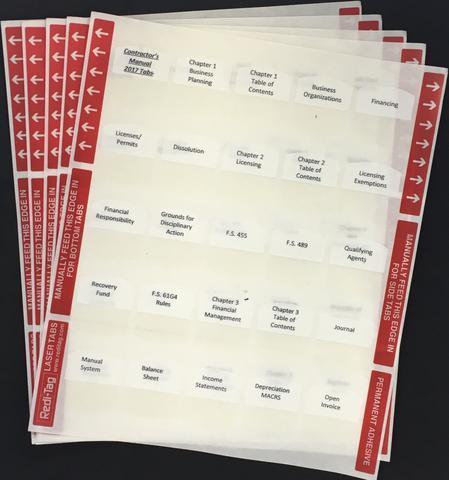
Tabs and highlights can make thick reference books less intimidating. A tab provides a quick landmark, while highlighting draws attention to rules you are likely to review again. These tools work best as part of a system: read the chapter, practice finding topics in the index, then locate the full provision and its exceptions. A brightly marked sentence is not a shortcut around understanding the rest of the page.
For open-book study, practice moving between the index, chapter headings, tables, definitions, and cross-references. The goal is not to memorize thousands of page numbers. It is to learn the structure well enough that finding a rule becomes routine. For closed-book tests, tabs can still help while studying at home, but they will not go with you into the exam room.
Always follow the testing provider's rules about which books and markings are permitted. Some exams allow tabs only in certain formats; others ban all books. If the listing calls a reference “exam ready,” that phrase does not override the authority's own testing policies. Check first and avoid surprises later.
Online Courses for Flexible Study
Online lessons can be a practical fit if you work long hours or need to study around other responsibilities. A structured course may explain difficult topics, break a large syllabus into smaller chapters, or provide quizzes that show whether you understand the lesson. The exact course features vary, so check the syllabus, exam match, access period, and delivery format before enrolling.
The Online Courses collection offers another starting point when comparing learning formats. Make sure the course targets your trade, state, and examination where applicable. If you need business and finance preparation in addition to a trade exam, verify that those subjects are actually included instead of assuming one course covers everything.
Watching lessons is useful, but active learning makes them stick. Pause the video before a worked answer, solve the problem yourself, and compare your reasoning afterward. Write down anything that remains confusing. A few focused minutes of practice can tell you more about your readiness than an hour of videos playing while you do something else.
Practice Questions and Exam Simulators
Practice questions help you check how well you can apply information under exam conditions. Begin with short topic quizzes so mistakes are easy to diagnose. Later, use mixed sets that require you to switch between subjects. When you approach the exam date, timed practice can help you develop a comfortable pace and avoid spending too long on one difficult question.
You can explore the Simulators and Online Practice Questions collection for examples of question-based study formats. Before purchasing, confirm the exact exam, question coverage, access rules, and whether explanations are provided. A simulator for a different test may still teach general thinking skills, but it cannot replace preparation matched to your official outline.
Keep a small error log. Note the topic, your wrong assumption, and the correct explanation. Review the same mistakes a few days later without looking at your notes. If you can explain why the new answer works, you are improving. If you only remember the letter choice, you may need another round of studying.
Business and Finance Versus Technical Trade Preparation
Some contractor licensing paths require separate technical and business-related assessments. The technical part may cover materials, methods, safety, diagrams, code application, and calculations. Business and law subjects may include estimating, accounting, contracts, workforce responsibilities, or regulatory obligations. Not every authority uses this structure, so rely on the exact bulletin for your credential.
If you need two exams, give them two sets of study goals. It is easy for an experienced tradesperson to concentrate on familiar technical material and postpone bookkeeping or contract questions until the last minute. The reverse happens, too. Someone comfortable with managing projects may need more time with detailed installation rules. Reviewing separate practice results can keep your preparation balanced.
Study products often have broad names, but the description should specify which subjects and exams they cover. If you are unsure, compare the product outline with the official candidate guide or ask the provider. A well-matched course is worth more than an exciting title with no connection to your test.
Open-Book and Closed-Book Study Strategies
Open-book exams reward organized reference use. Practice locating answers with the exact materials and markings that will be permitted on test day. Time yourself, but do not sacrifice accuracy to beat the clock. Read tables, footnotes, definitions, and exceptions carefully. The right answer is often a little more detailed than the first sentence that catches your eye.
Closed-book exams require a different approach. Practice answering without references, explain rules out loud, and work calculations from memory after you have learned the method. Focus on understanding why a rule exists instead of only memorizing words. Books and courses are still valuable preparation tools, but the final practice should resemble how you will actually take the examination.
Whichever format applies, manage your time. Read questions carefully, especially words such as minimum, maximum, except, and most appropriate. If the testing interface allows you to flag a difficult question, use that option thoughtfully. Your goal is to earn credit across the whole examination, not win an argument with one stubborn problem.
A Realistic Six-Week Study Plan
A six-week plan gives structure, but it is only an example. Your experience, work schedule, and examination difficulty may call for more or less time. During week one, confirm your eligibility, exam outline, required references, and study materials. In week two, review the highest-weight subjects. Use week three for the next major group, including calculation practice where relevant.
In week four, complete the remaining topics and revisit mistakes from earlier sessions. Week five is a good time for mixed question sets and timed practice. During week six, focus on weak areas, review important rules, and check test-day procedures. If you have separate trade and business exams, divide this schedule into two tracks so one subject does not get ignored.
Keep the plan realistic enough to follow. A half hour of focused study every workday can be more useful than a huge session you never manage to schedule. Include breaks and review days. There is no prize for feeling exhausted before exam day, and a rested mind generally reads questions more carefully.
Compare Price, Access, and Product Terms
Before purchasing, look beyond the price. A digital course might have a limited access window. A book rental may require returning the materials by a deadline. A reference package may include books you already own. Shipping time can affect how soon you begin. A set that appears inexpensive at first may cost more once you account for the items and services you actually need.
Make a short comparison with the exact exam name, required code edition, included materials, access period, purchase or rental status, and total price. Do the products teach the topics on the official outline? Can you use them in the way you learn best? Are any promises or guarantees subject to conditions? Reading the details is less exciting than buying a new workbook, but it can prevent expensive misunderstandings.
A smaller selection of well-matched materials is often easier to use than a giant bundle bought without a plan. Choose the tools you will open regularly. The best resource is not the one with the most impressive name; it is the one that helps you study the right content at the right time.
What to Check When a Collection Page Is Unclear
An online collection may have a short title or product tiles that fail to load properly in a browser. The linked L collection currently does not show clearly identifiable products in the accessible page content reviewed for this draft. Because of that, this guide does not assign a particular trade, state, or set of package names to the collection. That is a deliberate choice to keep the information accurate.
If the full collection displays products for you, inspect each product page carefully. Look for a full title, target examination, state, edition year, format, and complete description. If those details are missing, contact the store before purchasing. Share the name of your license, the exam code if known, and your planned test date. Those facts make it easier to identify relevant materials.
Before publishing this article alongside the collection, confirm whether “L” is the intended collection title. If it is a placeholder or shortened handle, update the title and product-specific language once the correct collection is identified. A helpful blog should describe what shoppers can actually find, not what someone guesses might be there.
Final Checks for Exam Week and Licensing
When exam week arrives, move from broad learning to careful review. Check the location or remote-testing instructions, accepted identification, arrival time, calculator rules, and permitted references. If you have an open-book examination, confirm that every book and tab meets the provider's rules. If the exam is closed-book, leave prohibited materials out of your test-day plan.
Review your error log and complete a short practice set, but avoid learning an entire new subject the night before. Pack what you need, plan transportation, and make time for rest. During the test, read each question carefully and keep your pace steady. A complicated problem should not consume the time you need for several more manageable questions.
After the examination, follow the licensing authority's instructions about score reports, applications, registration, insurance, or other requirements. Passing a written test does not always mean a license is automatically issued. The final goal is not just a strong score: it is completing the process correctly and entering your next stage of work prepared.
Frequently Asked Questions
Choose a question to reveal its answer. These tips apply to selecting exam prep, not to any unverified product lineup.
Conclusion: Make Your Exam Prep Purchases Count
Preparing for a contractor licensing examination is much easier when you work from clear requirements instead of guesses. The first step is identifying the exact credential, jurisdiction, and testing provider. That information determines everything that follows: your content outline, the reference books you need, the exam format, and any separate business or law subjects. A helpful course for one license might be irrelevant for another. This is why a little research at the beginning is not wasted time. It is how you avoid spending a month studying a topic that never appears on your test.
The collection linked in this guide is currently titled only “L,” and its accessible content did not reveal specific products during review. That limits what can responsibly be said about its inventory. Instead of assigning imaginary books or courses to the page, use this article as a checklist for reviewing whichever products are actually available when you visit. Confirm the complete product name, licensing exam, edition, format, and price before making a purchase. If a description is unclear, contact the seller. Getting an answer today is easier than discovering the mismatch a week before your exam.
Different study tools solve different problems. Reference books help you understand technical rules and, when permitted, practice finding answers in approved materials. A package can organize several references into one purchase. Rentals may reduce the upfront cost of temporary study, provided you understand the return conditions. Highlighted and tabbed books can make navigation practice easier, but test-center permissions must be verified. Online courses provide guided explanations and flexible study sessions. Practice questions and simulators show where your knowledge is strong and where it still needs work. None of these tools replaces an accurate exam outline.
Once your materials are chosen, a steady routine matters more than a dramatic burst of motivation. Build a realistic study schedule that covers the major content areas, includes regular practice, and gives extra time to the topics you miss. Review errors instead of simply counting how many questions you answered. Learn to explain the correct reasoning, solve calculations without guessing, and read exceptions carefully. A short daily session that you actually complete is often more useful than a heroic weekend plan that never happens. Make the schedule fit your responsibilities so it can survive a busy workweek.
As the exam approaches, match your practice to the official test format. Open-book candidates should rehearse with the permitted references and learn to find rules efficiently. Closed-book candidates should practice recall and application without outside help. Everyone should check identification rules, appointments, calculators, and prohibited materials directly with the provider. Leave room for sleep and a calm arrival. A licensing exam is challenging enough without an avoidable surprise at the door.
Finally, remember that passing the test is often only part of the licensing process. You may still need to submit paperwork, document experience, arrange insurance, or meet other board requirements. Treat every stage as part of the plan. With accurate information, well-matched materials, consistent practice, and careful follow-through, you can approach contractor licensing with more confidence and far less confusion. The smartest preparation is not buying everything you see. It is understanding what you need, using it well, and completing the next step carefully.
Key Takeaways
- Confirm the exact license, exam code, current bulletin, and required reference editions before buying materials.
- Match books, courses, rentals, and practice questions to your actual examination rather than a similar trade title.
- Check open-book rules, digital access periods, shipping, rental terms, and any restrictions on marked books.
- Study actively with short sessions, timed questions, and a record of recurring mistakes.
- Verify the live L collection's intended name and product listings before publishing product-specific claims.
Plain-Language Summary: Choosing Contractor Exam Prep Resources
This guide explains how to choose contractor exam preparation materials without wasting money or time. It is connected to the 1 Exam Prep collection at the “L” link. During review, the page showed the title “L,” but its accessible content did not identify specific products. Because of that, the guide does not claim that a certain book, course, or package is sold in that collection. The information here helps you evaluate the actual products you find once the page is confirmed or updated.
Start with the license you want. Find the official state or local licensing authority and write down the full exam name. Download its candidate guide. That guide should help you find the test subjects, required references, code editions, exam format, and application rules. Different states can use different exams, even when the trade name sounds the same. Do not buy a course only because its title looks close to your license. Make sure it really matches the examination you will take.
Next, decide what kind of study help you need. Printed reference books are useful for learning technical rules. Some exams let you bring approved books, while other exams do not allow books at all. Prepared tabs and highlights can help you study faster, but they may not be permitted inside the test center. Book packages can gather several titles together. Rentals may save money if you need books for only a short period, but you must check the rental deadline and return rules. Read all the product details carefully.
Online courses are helpful when you need explanations and a flexible schedule. Practice questions can show which subjects you understand and which ones need more work. A simulator may help you practice answering while a clock is running. Before you choose any digital product, check its exam match, access period, topics, and included features. A simulator for another license cannot tell you whether you are ready for your own exam. Use practice scores as feedback, not as a guarantee.
You can organize your preparation with a six-week example plan. During the first week, collect the correct exam information and books. In the next few weeks, study the main subjects, practice calculations if required, and keep track of wrong answers. Later, mix the subjects together and use timed quizzes. During the final week, review difficult areas and read the test-day instructions. If you need more time, extend the plan. Short, regular study sessions are usually easier to maintain than a single exhausting attempt to learn everything.
Before exam day, confirm your appointment, accepted identification, allowed calculators, and reference rules. Arrive prepared and read each question carefully. After testing, follow the official steps needed to receive the license, because passing an exam may not complete the whole application. The main idea is simple: verify the license, match your materials to the exam, practice consistently, and check every requirement. That method makes your preparation more focused and helps you avoid surprises. Keep a copy of the official candidate guide beside your study checklist and compare it with every purchase you consider.