NASCLA Contractor Licensing and Multi-State Application Processing Services Guide: Business Formation and Contractor License Support Across the United States

Starting a contracting business that operates across multiple states requires more than just technical skill. Contractors must navigate different licensing rules, business formation requirements, and application procedures depending on the state. Many professionals choose structured support services to simplify this process, especially when working through NASCLA-aligned systems and state-by-state licensing requirements.

In states such as Florida, Georgia, and Virginia, contractor licensing often involves coordinated steps including business formation, exam preparation, and license application submission. Because each state has its own board and requirements, contractors benefit from organized systems that reduce errors and improve approval speed.

This guide breaks down major contractor application services, business formation setups, and NASCLA multi-state licensing solutions designed to help contractors build and expand their construction businesses efficiently across multiple jurisdictions.

NASCLA Multi State Application Bundle

The NASCLA Multi State Application Bundle is designed for contractors who want to work across multiple states without repeating the full licensing process in each jurisdiction. NASCLA, the National Association of State Contractors Licensing Agencies, offers a standardized pathway that helps contractors demonstrate competency through a centralized exam and application structure.

This bundle typically combines exam preparation resources, application guidance, and multi-state licensing support into one package. It is especially useful for contractors who plan to expand their business beyond a single state and want a more efficient path to compliance.

By using a NASCLA-aligned approach, contractors can reduce duplication in paperwork, streamline documentation, and focus more on building their business rather than repeatedly navigating state-by-state administrative processes.

Florida Contractor Application Processing and Business Formation

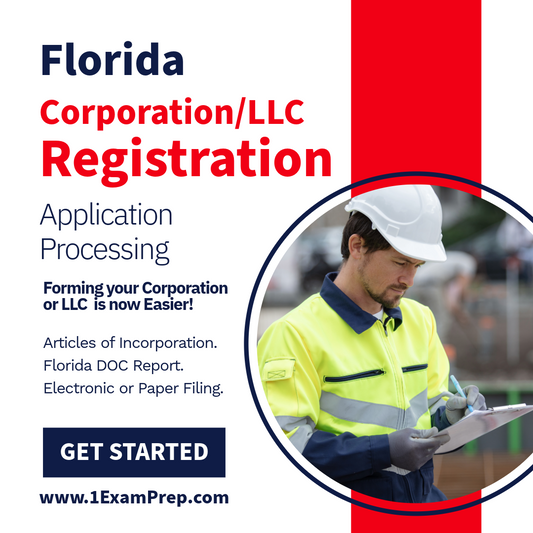
In Florida, contractor licensing is one of the most structured systems in the country. Applicants often must complete business formation, financial documentation, and licensing classification steps before receiving approval. Florida also requires different licensing pathways depending on trade type and project scope.

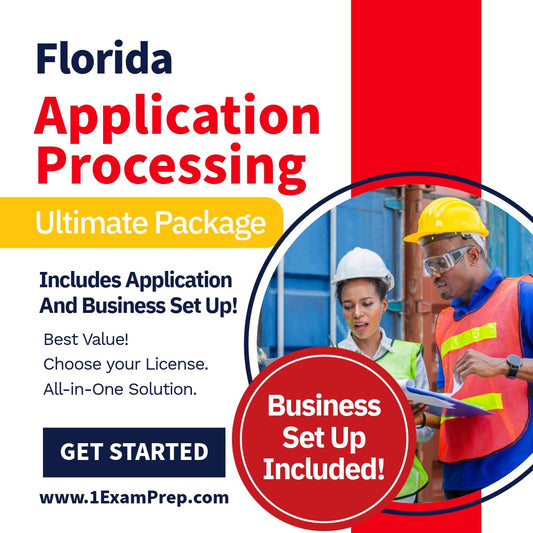
The Florida Contractor Application Processing & Business Formation Ultimate Package is designed to combine LLC formation with licensing support. This ensures that business records match licensing documentation exactly, which is critical for approval.

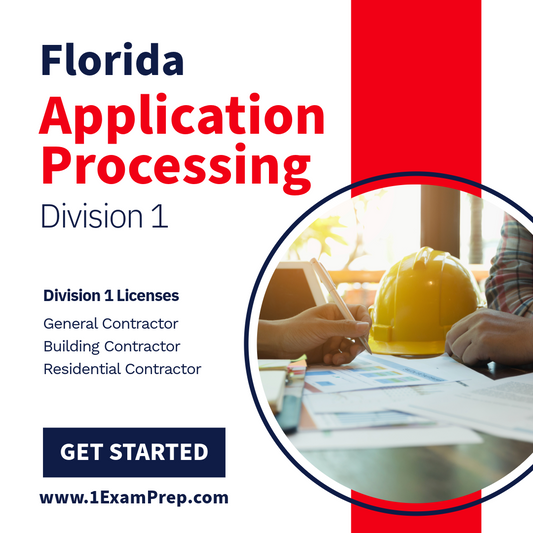
Florida also offers specialized pathways such as Division One contractor licensing, which typically applies to larger or more complex construction operations requiring stricter compliance standards.

Georgia Contractor Application Processing and Business Formation

In Georgia, contractors must meet state licensing requirements that include application review, business verification, and classification approval depending on trade type. The process is designed to ensure that contractors are properly registered and qualified before working on construction projects.

Georgia contractor services often combine application processing with business formation to ensure consistency across state records. This reduces delays caused by mismatched documentation or incomplete filings.

Contractors benefit from structured packages that include LLC formation and licensing application assistance, especially when starting a new business or expanding into new markets.

Virginia Contractor Application Processing and Business Setup

In Virginia, contractor licensing involves multiple regulatory steps including application submission, business formation alignment, and financial documentation review. The state offers different classifications depending on project size and contractor specialization.

Virginia contractors often use combined services that include application processing and corporation or LLC formation. This helps ensure that licensing records match legal business documentation exactly, which is required for approval.

Virginia also offers comprehensive filing packages that combine multiple steps into one streamlined workflow for contractors seeking faster approval.

Tennessee Contractor Application and Business Formation Services

In Tennessee, contractor licensing requires careful coordination between business registration and licensing classification. Contractors must ensure that their legal business entity is properly formed before submitting licensing applications.

Tennessee contractor services typically include application processing and optional business formation support. This helps reduce delays caused by incomplete or inconsistent documentation.

Many contractors choose bundled packages that include both LLC formation and license application assistance to streamline the approval process.

South Carolina Contractor Application Processing and Formation Setup

In South Carolina, contractors must complete a licensing process that includes application review, business verification, and classification approval. The state places strong emphasis on accuracy and compliance in contractor documentation.

South Carolina contractor services often combine application processing with business formation to ensure consistency across all regulatory filings. This reduces the risk of delays caused by mismatched records.

Bundled packages are commonly used by new contractors who want a simplified pathway to licensure.

Utah Contractor Application Processing and Business Formation

In Utah, contractor licensing requires both application approval and proper business registration. Contractors must demonstrate compliance with state requirements before receiving authorization to operate.

Utah contractor services often include LLC formation, application processing, and license support to ensure all documentation aligns correctly.

This integrated approach helps reduce administrative delays and improves approval efficiency for new contractors.

Arizona Contractor Application Processing and Business Formation

In Arizona, contractor licensing involves application submission, classification review, and business entity verification. Contractors must ensure that their business structure is properly registered before applying for a license.

Arizona contractor services often combine business formation and licensing assistance to streamline the approval process and reduce errors.

This is especially useful for new contractors who are unfamiliar with state requirements and documentation standards.

Oregon Contractor Application Processing and Business Setup

In Oregon, contractor licensing requires careful coordination between application submission and business registration. Contractors must meet state requirements and maintain accurate documentation throughout the process.

Oregon contractor services typically include license application assistance and optional business formation support to ensure compliance.

These services help contractors reduce delays and improve approval consistency.

North Carolina Contractor Application Processing and Business Formation

In North Carolina, contractor licensing involves structured application review, classification approval, and business verification. Contractors must ensure all documentation is consistent and complete before submission.

North Carolina contractor services often combine application processing with LLC formation to streamline compliance and reduce errors.

This integrated approach supports faster approval and smoother onboarding for new contractors.

New Mexico Contractor Application Processing and Business Formation

In New Mexico, contractor licensing requires submission of applications, verification of business registration, and compliance with state regulations. Contractors must ensure accuracy across all submitted documents.

New Mexico contractor services often include both application processing and business formation support to help ensure consistency and reduce administrative delays.

This helps contractors move through the licensing process more efficiently.

Nevada Contractor Application Processing and Business Formation

In Nevada, contractor licensing involves application processing, classification review, and verification of business formation documents. Contractors must comply with state-specific requirements before receiving approval.

Nevada contractor services typically combine license application assistance with LLC formation to streamline the process and reduce errors.

This helps contractors avoid delays and ensures consistency across all filings.

Other State Contractor Services and Formation Support

Additional states such as Alabama, Arkansas, Louisiana, Mississippi, and West Virginia also follow similar contractor licensing structures that combine application processing with business formation requirements.

While each state has unique rules, the general process remains consistent: form a legal business entity, prepare licensing documentation, and submit a complete application for review. Structured services help contractors navigate these steps more efficiently.

Frequently Asked Questions

Q. What is NASCLA licensing?

A. NASCLA is a multi-state licensing system that helps contractors qualify for work across multiple states using standardized exam and application processes.

Q. Do I need an LLC before applying for a contractor license?

A. In many states, yes. A registered business entity is required before licensing approval.

Q. What is a contractor application processing service?

A. It is a service that helps prepare and submit contractor license applications with required documentation.

Q. Why combine business formation and licensing?

A. Combining them ensures consistency in documentation and reduces delays caused by mismatched records.

Q. Which states require contractor licensing?

A. Most U.S. states require some form of contractor licensing, but requirements vary by state and trade.

Q. What is included in a NASCLA bundle?

A. It typically includes exam prep, application support, and multi-state licensing guidance.

Q. How long does contractor licensing take?

A. Processing time varies by state and application completeness.

Q. Can I apply without professional help?

A. Yes, but many contractors use structured services to reduce errors and speed up approval.

Q. What is an LLC formation service?

A. It is a service that helps establish a legal business entity with the state.

Q. Are NASCLA licenses accepted in all states?

A. Not all states accept NASCLA the same way, but many recognize it as part of the qualification process.

Conclusion

Contractor licensing in the United States is a structured but complex process that varies from state to state. Whether working in Florida, Georgia, or Virginia, contractors must ensure their business formation and licensing documentation are aligned to avoid delays and compliance issues.

NASCLA-based systems provide a helpful framework for contractors who want to expand across multiple states. By standardizing portions of the licensing process, contractors can reduce repetitive steps and focus more on building their businesses.

Structured services that combine application processing and business formation are especially useful for new contractors who want a clearer path to approval. These services help reduce errors, improve consistency, and speed up the overall licensing timeline.

As contractors grow their operations, having a reliable system for handling licensing and formation becomes increasingly important. The right preparation can make the difference between delays and smooth approval, ultimately supporting long-term business success.

Key Takeaways

  • Most states require business formation before contractor licensing approval.
  • NASCLA helps standardize multi-state contractor licensing.
  • Bundled services reduce documentation errors and delays.
  • Each state has unique licensing requirements and classifications.
  • Proper preparation improves approval speed and business readiness.