









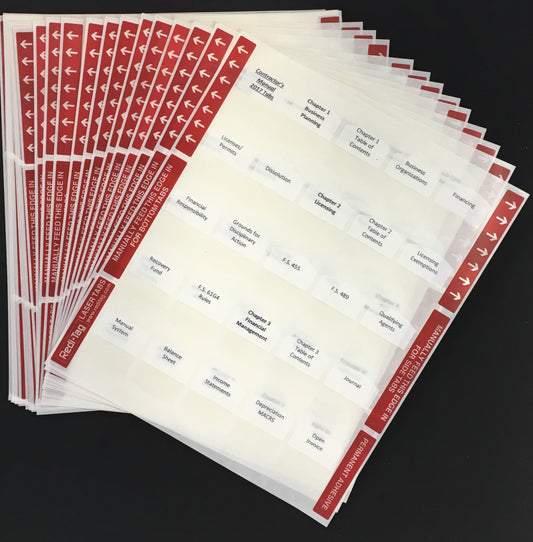
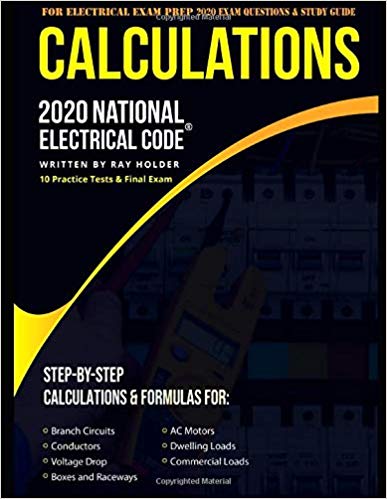
Best Selling Exam Prep: How to Compare Courses and Books: Complete Guide to Books, Courses and Smarter Exam Preparation
Looking for a practical way to move ahead with best selling exam prep: how to compare courses and books? Popular study resources can provide ideas for exam preparation. Evaluate books, lessons, rentals, and other formats against your own licensing and study requirements. The options may include books, online lessons, exam-style questions, rental references, or specialized training. The best choice depends on the exact exam or education goal, not simply the longest product title. A few minutes of careful comparison can save a lot of head scratching later.
The Best Selling Exam Prep: How to Compare Courses and Books collection at 1 Exam Prep is the starting point for exploring this subject. Before you commit to a purchase, check the official licensing instructions and read the product details. Different editions, exam providers, classifications, and access conditions can turn two similar-looking listings into very different study experiences.
In this guide, we will look at the subjects that matter, how to compare study formats, and how to build a repeatable plan around real work hours. We will also cover common mistakes, exam-day questions, and ways to make the most of the resources you choose. You do not need a desk full of unopened books to get organized. You need the right tools and a plan you can actually follow.
Popular Resources Are a Starting Point
The first question is not which product looks impressive. It is whether the subject supports the exact outcome you want. A popular study guide may be trusted by many students but still fail to match your exact licensing classification. That distinction saves time because candidates sometimes choose materials based on a familiar trade word, only to learn that the examination uses different references. Write the full exam name at the top of your study notes and check it whenever you compare a course, package, or book.
A practical next step is to test the idea rather than only read about it. Identify your official exam requirements first and treat popularity as one supporting shopping signal. Give yourself a clear task and check your answer against the approved source, a course explanation, or the seller's inclusion list, depending on what you are investigating. If the answer is unclear, write down the question and resolve it before moving ahead. Small checks like these build a much stronger plan than wishful thinking.
Why Business and Finance Courses Attract Interest
A useful study resource should make a difficult subject easier to understand, not simply add another object to your desk. Florida contractor candidates often review accounting, contract administration, bidding, and financial management in a separate exam. Students often lose time when they treat broad product labels as exact descriptions of an examination. Work backwards from your official topic list and decide what this part of your preparation must accomplish. That way, your time goes toward knowledge you can actually use.
Here is an easy way to put that into practice. The Florida Business and Finance online course is a verified example of targeted preparation, regardless of its position on any ranking. Keep a running list of what you already understand, what needs more work, and what materials you still need. Revisit that list every week. The result is less panic shopping and more deliberate progress, even when your work schedule changes or the exam date feels close.
For a verified example, review the Florida Business and Finance Online Exam Prep. Check its current options and detailed description before purchasing.
Continuing Education and Licensing Courses
This is an area where a little organization pays off. Popular continuing-education offerings may serve working license holders while pre-exam programs serve new applicants. The goal is not to memorize a sales description. The goal is to understand exactly how a resource fits your test, your budget, and the amount of time available. Separate official requirements from optional study aids so you are not relying on assumptions that may be outdated.
Try this approach during your next study session. The Florida CILB 14-hour online course is a distinct type of learning product; verify its role for your renewal. Spend part of the session explaining the subject in plain language, then practice applying it through a problem, a reference lookup, or a product comparison. When you can explain why one option makes sense, you are usually learning more than if you simply circle the first familiar answer.
For a verified example, review the Florida CILB 14-Hour Continuing Education. Check its current options and detailed description before purchasing.
Popular HVAC Trade Training
Real progress comes from connecting a topic to a decision you can make. Air A, Air B, and Mechanical exam prep resources may all appear attractive to HVAC students but support different qualifications. This matters especially for busy contractors who cannot afford to spend several evenings on the wrong material. Read the detailed description, identify the required reference, and check whether the product is meant for learning, practice, renewal, or a combination of those purposes.
Put the concept to work with one concrete exercise. Check the Air A and Air B course titles closely before choosing. Look at the result and ask what you would do differently the next time. A missed question, slow lookup, or confusing product listing is useful feedback. Record it and move on with a clearer plan instead of repeating the same error for another week.
Learning from Reference Books
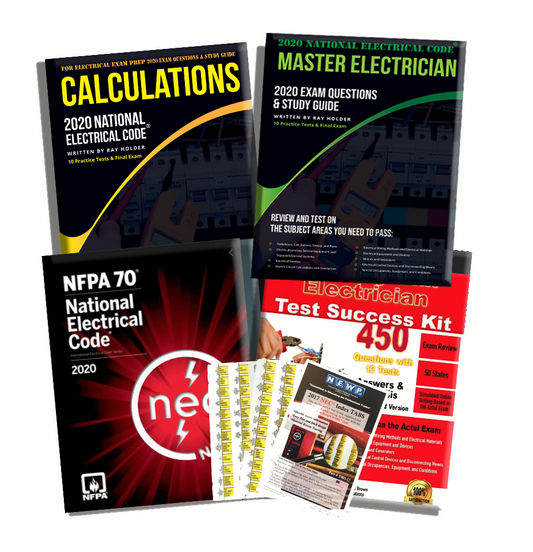
The first question is not which product looks impressive. It is whether the subject supports the exact outcome you want. Book sets offer comprehensive source material for code-based study and open-book reference practice. That distinction saves time because candidates sometimes choose materials based on a familiar trade word, only to learn that the examination uses different references. Write the full exam name at the top of your study notes and check it whenever you compare a course, package, or book.
A practical next step is to test the idea rather than only read about it. Always compare the required editions and any testing-center book restrictions before buying. Give yourself a clear task and check your answer against the approved source, a course explanation, or the seller's inclusion list, depending on what you are investigating. If the answer is unclear, write down the question and resolve it before moving ahead. Small checks like these build a much stronger plan than wishful thinking.
Use Online Courses for Structure
A useful study resource should make a difficult subject easier to understand, not simply add another object to your desk. Online lessons help divide a large examination outline into scheduled review sessions. Students often lose time when they treat broad product labels as exact descriptions of an examination. Work backwards from your official topic list and decide what this part of your preparation must accomplish. That way, your time goes toward knowledge you can actually use.
Here is an easy way to put that into practice. Find out whether the course includes mock tests, references, instructor contact, and an access period that fits your schedule. Keep a running list of what you already understand, what needs more work, and what materials you still need. Revisit that list every week. The result is less panic shopping and more deliberate progress, even when your work schedule changes or the exam date feels close.
Don't Ignore Practice Questions
This is an area where a little organization pays off. Timed practice can uncover weak subjects and help students manage their test time. The goal is not to memorize a sales description. The goal is to understand exactly how a resource fits your test, your budget, and the amount of time available. Separate official requirements from optional study aids so you are not relying on assumptions that may be outdated.
Try this approach during your next study session. After every mock test, review misunderstandings and redo problems without looking at solutions. Spend part of the session explaining the subject in plain language, then practice applying it through a problem, a reference lookup, or a product comparison. When you can explain why one option makes sense, you are usually learning more than if you simply circle the first familiar answer.
Book Rentals as an Alternative
Real progress comes from connecting a topic to a decision you can make. Rental packages give temporary access to larger reference lists, but total price and deposit may require close review. This matters especially for busy contractors who cannot afford to spend several evenings on the wrong material. Read the detailed description, identify the required reference, and check whether the product is meant for learning, practice, renewal, or a combination of those purposes.
Put the concept to work with one concrete exercise. The Air B books and courses rental is a verified example of a package with stated deposit and return conditions. Look at the result and ask what you would do differently the next time. A missed question, slow lookup, or confusing product listing is useful feedback. Record it and move on with a clearer plan instead of repeating the same error for another week.
For a verified example, review the Florida Air B Books and Courses Rental. Check its current options and detailed description before purchasing.
Check Bundles Before Buying
The first question is not which product looks impressive. It is whether the subject supports the exact outcome you want. A combined bundle can include lessons, reference books, flash cards, and extras, but some components may be unnecessary. That distinction saves time because candidates sometimes choose materials based on a familiar trade word, only to learn that the examination uses different references. Write the full exam name at the top of your study notes and check it whenever you compare a course, package, or book.
A practical next step is to test the idea rather than only read about it. Write out every included item and compare it with materials you already own. Give yourself a clear task and check your answer against the approved source, a course explanation, or the seller's inclusion list, depending on what you are investigating. If the answer is unclear, write down the question and resolve it before moving ahead. Small checks like these build a much stronger plan than wishful thinking.
Review Current Code Editions
A useful study resource should make a difficult subject easier to understand, not simply add another object to your desk. Different exams adopt code versions on different schedules; the newest edition is not always the approved one. Students often lose time when they treat broad product labels as exact descriptions of an examination. Work backwards from your official topic list and decide what this part of your preparation must accomplish. That way, your time goes toward knowledge you can actually use.
Here is an easy way to put that into practice. Validate your candidate handbook and keep a separate list of approved titles and years. Keep a running list of what you already understand, what needs more work, and what materials you still need. Revisit that list every week. The result is less panic shopping and more deliberate progress, even when your work schedule changes or the exam date feels close.
Price Is Only One Part of Value
This is an area where a little organization pays off. A lower price may mean online-only access, while a higher price may include ownership, rentals, or teaching support. The goal is not to memorize a sales description. The goal is to understand exactly how a resource fits your test, your budget, and the amount of time available. Separate official requirements from optional study aids so you are not relying on assumptions that may be outdated.
Try this approach during your next study session. Compare what you actually receive, plus shipping, deposits, time limits, and additional exam-related fees. Spend part of the session explaining the subject in plain language, then practice applying it through a problem, a reference lookup, or a product comparison. When you can explain why one option makes sense, you are usually learning more than if you simply circle the first familiar answer.
Avoid Mistaking Reviews for Guarantees
Real progress comes from connecting a topic to a decision you can make. Customer feedback and bestseller labels can be useful, but they do not guarantee a passing examination score. This matters especially for busy contractors who cannot afford to spend several evenings on the wrong material. Read the detailed description, identify the required reference, and check whether the product is meant for learning, practice, renewal, or a combination of those purposes.
Put the concept to work with one concrete exercise. Prepare consistently and evaluate each course by the work it helps you perform. Look at the result and ask what you would do differently the next time. A missed question, slow lookup, or confusing product listing is useful feedback. Record it and move on with a clearer plan instead of repeating the same error for another week.
Build a Better Weekly Routine
The first question is not which product looks impressive. It is whether the subject supports the exact outcome you want. Even good materials are less useful when they remain unopened. A structured routine should alternate lessons, problems, and review. That distinction saves time because candidates sometimes choose materials based on a familiar trade word, only to learn that the examination uses different references. Write the full exam name at the top of your study notes and check it whenever you compare a course, package, or book.
A practical next step is to test the idea rather than only read about it. Use a calendar that includes both realistic daily sessions and periodic timed practice. Give yourself a clear task and check your answer against the approved source, a course explanation, or the seller's inclusion list, depending on what you are investigating. If the answer is unclear, write down the question and resolve it before moving ahead. Small checks like these build a much stronger plan than wishful thinking.
Know When to Seek Extra Help
A useful study resource should make a difficult subject easier to understand, not simply add another object to your desk. An instructor or tutor can help untangle calculations, code navigation, or weak topic areas that self-study does not resolve. Students often lose time when they treat broad product labels as exact descriptions of an examination. Work backwards from your official topic list and decide what this part of your preparation must accomplish. That way, your time goes toward knowledge you can actually use.
Here is an easy way to put that into practice. Arrive with examples of missed problems to make the assistance focused. Keep a running list of what you already understand, what needs more work, and what materials you still need. Revisit that list every week. The result is less panic shopping and more deliberate progress, even when your work schedule changes or the exam date feels close.
Browse the Live Selection Carefully
This is an area where a little organization pays off. A best-selling category can change over time and is not a fixed professional recommendation list. The goal is not to memorize a sales description. The goal is to understand exactly how a resource fits your test, your budget, and the amount of time available. Separate official requirements from optional study aids so you are not relying on assumptions that may be outdated.
Try this approach during your next study session. Use the live collection if available, then confirm every product directly before placing an order. Spend part of the session explaining the subject in plain language, then practice applying it through a problem, a reference lookup, or a product comparison. When you can explain why one option makes sense, you are usually learning more than if you simply circle the first familiar answer.
Review the live Best Selling Exam Prep: How to Compare Courses and Books collection and compare the exact listing with your official requirements.
Frequently Asked Questions
Select a question below to view the answer. Each question opens without redirecting the page.
Conclusion: A Practical Path Forward
The best way to approach Best Selling Exam Prep: How to Compare Courses and Books is to remember what the purchase is supposed to accomplish. You are not trying to collect the biggest stack of books or finish the largest number of videos. You are trying to evaluate best-selling study resources by practical fit rather than assumed ranking. That calls for a clear match between the official requirement, the subjects you need to learn, and the actual product you plan to use. When those three things agree, study becomes much easier to organize.
Begin with the licensing or education authority, not the search results. Write down the full examination or course requirement, the relevant jurisdiction, and the current reference information. If a candidate bulletin identifies code editions or permitted materials, keep it beside your notes. Store descriptions explain what is sold, while regulators explain what is required. Both are important, but they answer different questions. Mixing them up is an easy way to buy a product that cannot solve your problem.
Next, consider your learning style and weekly schedule. Some people benefit from guided video lessons, while others prefer printed references and handwritten problem solving. Timed questions can help anyone discover weak spots, but they work best when each missed answer leads to a real review. If you already own the approved references, a course-only option may make sense. If you need a long list of books, a bundle or rental may deserve attention. There is no prize for buying every format.
Pay special attention to continuing education and licensing courses and don't ignore practice questions. Those subjects illustrate why matching the material to the exam is so important. The same familiar trade name can hide different classifications, course contents, or reference lists. Use realistic examples and practice explaining the rules in your own words. If you cannot explain why a solution is correct, another run through the same multiple-choice questions probably will not solve the problem. Open the source material and find the missing idea.
Product details are part of your preparation plan, too. Check whether a listing includes books, flash cards, videos, practice access, or teaching support. Ask whether the books are owned or rented and whether a deposit or return date applies. Find out when digital access begins and ends. A seemingly cheaper option may cost more once separate books or services are added. A more expensive package may include things you will not use. Compare the full package instead of the headline.
Once you choose your materials, turn them into a schedule you can follow. Divide the official exam topics into weekly blocks and set aside time for short lessons, reference reading, and practice questions. Review your errors rather than hiding them at the bottom of a notebook. Make sure you understand review current code editions, and revisit any section that repeatedly causes trouble. Consistent sessions can build knowledge without asking you to abandon your work and family responsibilities for weeks.
As examination day gets closer, shift from collecting new materials to practicing with what you know. Recheck the testing center's current rules, identification requirements, permitted references, and arrival instructions. If the test is open book, practice navigating approved books; if it is closed book, focus on memory, understanding, and reliable problem-solving. For continuing education, check the approved course and completion-reporting requirements. These details deserve attention because even excellent preparation cannot replace the official process.
Most importantly, avoid believing that a course, reference set, or popular product guarantees a score or a license. It is a tool, and the result depends on using it well while satisfying the requirements outside the classroom. Explore Best Selling Exam Prep: How to Compare Courses and Books as a starting point, compare products carefully, and keep your plan tied to the official examination or education goal. That steady approach is more useful than any last-minute shopping spree. Your future self will appreciate having one less surprise to handle.
Key Takeaways
- Match every course or book to the exact examination or education requirement before ordering.
- Use continuing education and licensing courses and use online courses for structure as specific checks while building your study plan.
- Verify approved reference editions, course access, product contents, and any rental or return terms.
- Combine organized study sessions with practice questions and careful review of missed topics.
- Confirm exam-day rules or continuing-education reporting directly with the responsible authority.
Best Selling Exam Prep: How to Compare Courses and Books: Plain-Language Summary
Best Selling Exam Prep: How to Compare Courses and Books is a place to think about contractor education and exam preparation. The most important step is to know exactly what you need before you shop. Are you getting ready for an initial licensing exam, working on a trade test, reviewing Business and Finance, or completing approved continuing education? Those are different goals. A study resource is helpful only when it supports the right one. Begin with the official instructions for your license or education requirement.
Once you know the goal, write down the complete exam or course name. Include the state, classification, test provider, and any codebook editions on the approved reference list. Do not guess based on a product photo or a title that sounds close. A popular study guide may be trusted by many students but still fail to match your exact licensing classification. A simple written checklist can save you from purchasing a book for the wrong trade, a course for the wrong exam, or materials that cannot be used under your test center's current rules.
Next, look at the types of materials available. Online courses can explain difficult topics and help organize study time. Reference books provide deeper information. Practice questions show where you still need work, while flash cards can help with repeated facts and terminology. A bundle may combine several tools, and a rental option may provide temporary access to books. Always read the product listing carefully because the contents, ownership rules, access period, and deposits can differ.
Think about popular hvac trade training and use online courses for structure as examples of why details matter. Two products may look alike but have different purposes. One might support an examination, while another helps a license holder complete continuing education. One course might teach a particular HVAC classification, while another is intended for a wider mechanical category. Make your choice using the official topic outline and the actual contents of the product, not a general marketing phrase.
A practical study plan does not have to be complicated. Start by reading the exam outline and gathering correct materials. Spend the next several weeks covering the major topics in manageable pieces. Complete short practice sets after studying, then check every missed answer. Write the underlying reason for the mistake. If you made a calculation error, work through the arithmetic again. If you missed a code rule, locate the complete section, including any exceptions that could change the answer.
Keep track of your real schedule. Many contractors are studying after full workdays, so regular short sessions often work better than a single giant weekend cram. Include time for check bundles before buying and avoid mistaking reviews for guarantees, and leave a final review period. When you repeat a practice test, make sure you are learning the reasoning instead of memorizing the question order. A useful goal is to explain a correct answer without looking at the answer key.
Before paying for anything, compare the full cost and value. Does the course include the books? How long does access last? Is the item rented or owned? Are there shipping costs, deposits, or return conditions? If you need to contact support, use the exact product title and the complete exam name in your question. That makes it easier to confirm that the material is a match. Review the current listing again at checkout because catalogs and availability can change.
Finally, remember that preparing for an exam is not the same as obtaining a license. Applications, experience, exams, fees, and other requirements may apply. For continuing education, provider approval and reporting rules can matter. Use Best Selling Exam Prep: How to Compare Courses and Books as a starting point, but let the official licensing board make the final call on what is required. The simplest recipe is to identify your goal, check the rules, select matching resources, and study a little at a time. Steady work beats guessing.