






Construction Contractor Exam Prep: Books, Courses, and a Practical Licensing Study Plan
Construction contractors turn drawings, materials, and schedules into real buildings. But when it is time to earn a contractor license, the next tool on your workbench may be a study guide instead of a tape measure. Exams can ask about building codes, construction methods, estimating, safety, contracts, and business responsibilities. Even experienced jobsite professionals sometimes discover that answering questions under a clock feels very different from solving problems on an active project.
The encouraging part is that you do not have to prepare by reading every construction book from cover to cover. A better approach begins with your exact state, license classification, exam outline, and approved references. From there, you can choose a study format that fits your work schedule. The Construction collection at 1 Exam Prep is a starting point for exploring construction-focused learning resources and finding a more organized path to exam day.
This guide covers the difference between residential, building, general, and heavy construction exams. It also explains reference books, online courses, practice questions, business and finance preparation, and the habits that help you remember what you study. We will not pretend that one book or one practice quiz fits all fifty states. Construction licensing is more specific than that, and your plan should be, too.
Start With Your Exact Construction License, Not a Generic Exam
Construction licensing rules depend on the state, local jurisdiction, and kind of work you want to perform. A residential builder classification may focus on houses, while a building or general contractor classification can involve broader projects. Heavy construction may emphasize excavation, utility lines, concrete, infrastructure, and equipment. Some jurisdictions use specialty trades or separate commercial and residential tracks. Similar job titles do not always mean identical legal authority.
Before you select a course, find the licensing authority's current candidate information bulletin. Write down the exam name, test provider, passing requirements, subject outline, reference editions, scheduling instructions, and whether the exam is open book or closed book. Check whether a separate law or business exam is required. These details are more useful than a general promise that a course covers construction.
Also distinguish qualifying to apply from preparing to pass. A school may help you study, but state rules can still require experience records, a qualifying individual, financial paperwork, insurance, bonding, registration, or another approval step. Treat licensure as a checklist of responsibilities, not a single multiple-choice test.
Residential Construction Exam Prep: From Foundation to Roof
Residential construction candidates need to understand how the major parts of a house fit together. Site work and excavation lead to foundations. Concrete and masonry support the structure. Floors, walls, trusses, and roofs form the building shell. Safety rules follow crews through every stage. Exam questions can test not only what an item is called, but why an installation or sequence matters.
One example of a targeted option is the Louisiana Residential Construction Contractor Online Exam Prep course. Its listed review covers residential codes, OSHA construction safety, concrete, masonry, carpentry, framing, trusses, excavation, and roofing. It is designed for that specific exam, not as a universal approval for residential work nationwide.
An efficient way to study residential construction is to connect each topic to a job phase. Draw a basic building sequence and attach the applicable reference to every phase. Then answer practice questions without immediately opening the book. When you miss a question, figure out whether the problem was technical knowledge, code navigation, or misunderstanding the wording. That small habit can save a surprising amount of study time.
Building and General Contractor Preparation: Think Beyond the Jobsite
Building and general contractor exams can cover more than putting up a structure. Depending on the jurisdiction, candidates may need to review bidding, contract administration, project management, scheduling, change orders, construction methods, and the way multiple trades work together. A superintendent might know the field procedures well while still needing extra practice with written contracts or accounting questions.
The Florida Building Contractor Contract Administration & Project Management Online Course offers an example of a program focused on contract and project responsibilities. Its product description includes simulated practice exams, book overviews, and study techniques tied to the listed Florida references. Those are useful features when they match the testing path you are pursuing.
Create two sets of study notes: one for trade and construction knowledge, and another for administrative and business decisions. This separation keeps a question about concrete placement from getting lost among questions about bids and subcontract agreements. Later, combine the topics in timed practice so you learn how to switch gears without losing your focus.
Heavy Construction and Infrastructure Exam Prep
Heavy construction covers a different mix of problems than a typical house build. Exams may address earthwork, excavation, pipe installation, grading, concrete, reinforcing steel, precast members, equipment methods, traffic control, or construction safety. Some topics overlap with residential construction, but the scale, references, and project decisions can be very different. A course built around roof framing cannot replace preparation for trenching or precast erection.
For example, the Arkansas Commercial Heavy Construction Contractor Online Exam Prep course references OSHA construction safety, excavation, pipe work, concrete, reinforcing bars, precast erection, and construction planning materials. The Mississippi Heavy Construction all-inclusive package is another example of a state-specific pathway combining exam resources with additional licensing and business services.
When reviewing heavy construction, organize questions by system and risk. Pair concrete questions with concrete references, excavation questions with trenching and earthwork materials, and equipment questions with the appropriate methods guidance. Do not assume a technique or safety rule applies to every site. Follow the reference editions and test instructions that your licensing authority names.
Construction Exam Book Packages: Build the Correct Reference Library
A book package helps candidates gather several required or recommended references without tracking down each title separately. Construction exams can refer to building codes, safety rules, construction manuals, contract documents, or estimating texts. The right set depends on the precise exam. More books are not automatically better: a crowded desk full of mismatched editions can slow you down.
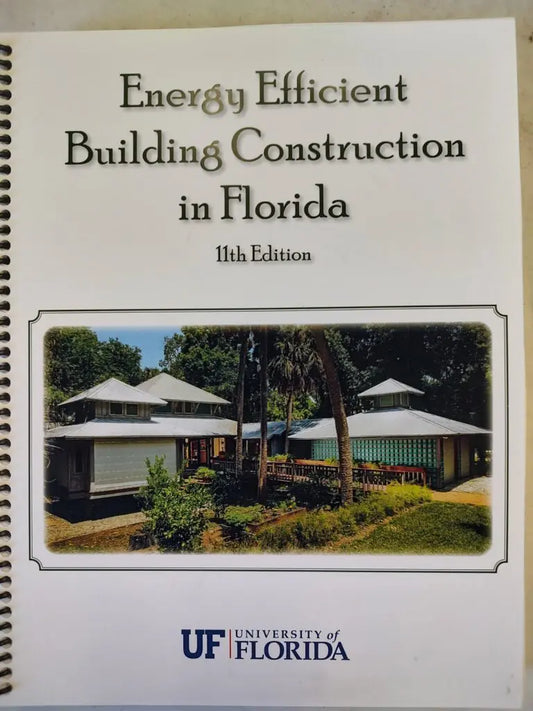
The Louisiana Residential Construction Contractor Exam Book Package is one verified example. It brings together references for residential codes, OSHA construction safety, concrete, masonry, carpentry, trusses, excavation, and roofing. The product listing identifies the included editions, which candidates should compare with their most recent exam bulletin.
Use your books actively. Learn the table of contents, index, chapter headings, tables, diagrams, and exceptions. Keep a note describing what each reference is best for, such as structural framing, worker safety, or concrete quality. This makes the reference library feel like an organized toolbox instead of a pile of expensive paper. Before test day, confirm which books, if any, the testing center allows.
Highlighted and Tabbed Books for Faster Code Navigation
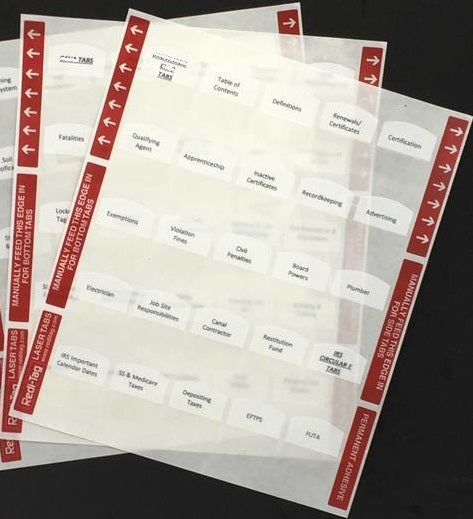
Prepared references can help candidates learn where important information is located. A tab may point to an important chapter, while highlighting draws attention to definitions, tables, or common requirements. These additions are most useful when paired with practice: start with a question, choose the right book, find the section, and read enough surrounding text to understand the answer.
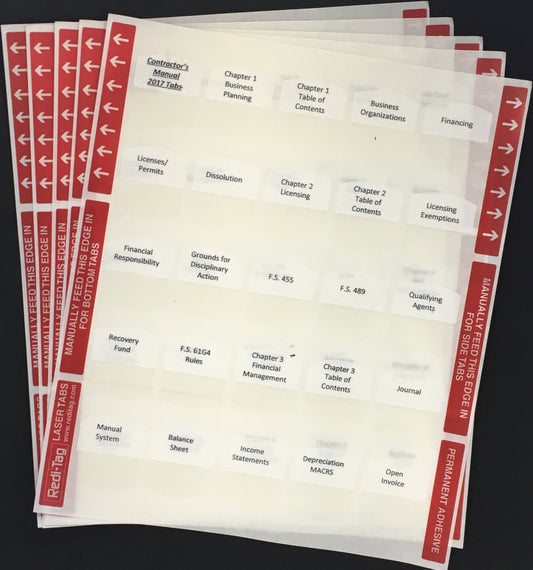
For an example, review the Louisiana Residential Construction Highlighted & Tabbed Book Package. Its product description identifies a coordinated set of prepared references covering multiple residential construction areas. The highlighted and tabbed format is aimed at organized review and open-book navigation when the exam provider permits those markings.
This last detail is essential. An open-book exam may still reject temporary tabs, loose sheets, certain notes, or unapproved references. Other exams are closed-book and allow no study materials into the testing room. Practice with tabs for learning if they help, but always check the current exam-day rules. A well-marked book is useful at home and completely useless at a check-in desk that will not accept it.
Online Construction Exam Prep Courses for Busy Contractors
A flexible online course can turn an overwhelming exam outline into smaller lessons. You might review building codes before work, spend lunch on estimating questions, and revisit a confusing safety section in the evening. Learning on your own schedule is valuable, especially when project deadlines do not leave much free time. The important part is using that freedom to build a repeatable routine.
Examples include the Arkansas Residential Builder Contractor Online Exam Prep and the Louisiana Residential Construction Online Exam Prep. Their product pages describe trade-focused reviews and reference-navigation support tailored to their respective exams. Course details, access periods, and whether physical books are included should be checked in each listing.
Do not let a video become background noise. Stop after a concept, write a one-sentence explanation, and answer a related question. If you cannot explain the topic without replaying the video, review it again or consult the reference. Active learning makes an online course more useful than simply marking every lesson as completed.
Practice Questions and Timed Exam Simulators
Practice questions do two important jobs: they test what you know and reveal what you do not know yet. Timed simulations add another skill, managing a clock while reading carefully. You can use them to discover whether the real difficulty is estimating, safety, locating a reference, or staying calm when a question looks unfamiliar.
Business-oriented practice is one example. The Florida Business and Finance Online Practice Questions focus on subjects such as accounting, contracts, bidding, risk management, payroll, and administration for Florida construction contractor candidates. A question bank made for one exam should not be presented as the exact question set for a different state's exam.
Use an error log instead of chasing a perfect score. Record the question topic, why you chose the wrong answer, the correct rule or method, and whether you need another lesson. Redo missed questions a few days later. If you can explain the answer and solve a similar problem, you are learning. If you only remember that question seven was choice C, your brain may be taking the easy way out.
Business and Finance: The Contractor Skills Beyond Construction
Strong technical skills are only one part of operating a construction business. Licensing exams may also examine contracts, estimating, cash flow, accounting, payroll, risk, project documentation, lien rules, and other legal or financial responsibilities. The exact business and law requirements vary by jurisdiction, and in some places the business content is tested separately from the trade.
The Florida Business and Finance Exam Online Prep Course is a verified example aimed at the Florida construction licensing process. It focuses on financial management, contractor law, accounting concepts, contract documents, administrative responsibilities, and reference navigation for the listed exam. That makes it a business-specific resource, not a substitute for your separate technical trade preparation.
Build a simple vocabulary sheet for terms that feel more at home in an office than on a worksite: accounts receivable, overhead, retainage, change order, and working capital. Then practice reading small business scenarios. You do not need to become an accountant overnight, but you should understand what the test expects and how the ideas affect real projects.
Complete Construction Prep Packages and Rental Options
Some learners prefer a coordinated package instead of buying materials one at a time. Depending on the product, a package may include reference books, online lessons, practice testing, coaching, application support, or business setup guidance. Others focus mainly on books and courses. The names may sound similar, but the actual items, ownership terms, and services can differ greatly.
The all-inclusive Louisiana Residential Construction package is an example combining exam preparation, highlighted and tabbed books, application assistance, and business-related services. The 1 Exam Prep Ultimate Packages overview describes another category of bundled preparation options. These pages show what coordinated support can look like; they do not mean every construction license has the same package available.
Before placing an order, compare the total cost, reference editions, delivery timing, online access, return terms, book rental deposits, and whether tutoring or application services are included. A good bundle should remove confusion, not add it. If you cannot clearly say what you are receiving and what you must return, read the listing again before buying.
Safety Topics Every Construction Exam Candidate Should Review
Construction safety is part of nearly every serious conversation about fieldwork. Depending on the exam outline, questions may involve fall protection, ladders, scaffolds, excavation, personal protective equipment, electrical hazards, tools, materials handling, or equipment operation. Safety is not a collection of random warning signs. It is a system of planning, recognizing hazards, and using approved controls.
Review the safety reference specified for your exam and learn its organization. For some construction tests, that means OSHA's 29 CFR Part 1926. Learn to identify a hazard from a description, choose the appropriate safety topic, and locate the applicable rule if references are permitted. Do not rely on a rule you half-remember from a different jurisdiction or an old worksite practice.
Real work experience can help you picture the conditions in a question, but it is still important to read carefully. A question about trench protection is not the same as one about access ladders. A question about a fall exposure may turn on specific conditions. Slowing down long enough to spot the actual hazard can keep you from choosing an answer that is almost right.
Construction Math, Estimating, and Plan Reading
Estimating often brings together the most ordinary math and the most costly mistakes. Candidates may face area, volume, length, material quantities, waste factors, unit costs, productivity, or bid-related calculations. Plan reading can add dimensions, symbols, scales, schedules, and construction details. The goal is to understand the relationship between the drawing, the work, and the number on your calculator.
Build your own small practice set. Find the area of a room, calculate a simple concrete volume, convert feet and inches, and estimate quantities with a stated waste allowance. Write the units beside each step. A perfectly accurate number with the wrong unit is not a useful answer. Then compare the question with the appropriate code or reference when one is specified.
Work gradually toward timed conditions. First solve the problem correctly without rushing. Then repeat with a clock. Review the steps that cost time, such as converting measurements or locating a table. In the exam room, a steady method usually beats frantic button pressing, even if the calculator looks very impressed by all the attention.
How to Study for Open-Book and Closed-Book Construction Exams
Open-book does not mean easy, and closed-book does not mean impossible. In an open-book exam, candidates must know which approved reference contains the answer and find it efficiently. In a closed-book exam, understanding and recall matter even more because the reference stays outside the testing room. Some licensing processes use different rules for different examinations.
For open-book study, practice identifying the topic before touching a book. Choose the likely reference, use the index or contents, check the correct table or section, and read any relevant exception. For closed-book study, use active recall, flashcards for essential ideas, mixed quizzes, and short explanations in your own words. A candidate bulletin should decide the method, not your assumption about how contractor exams usually work.
Remember that the rules on calculators, tabs, markings, identification, and breaks may also vary. Check them when you book the exam and again before test day. That two-minute review is less exciting than buying a shiny new highlighter, but it can prevent a truly annoying surprise.
A Six-Week Construction Contractor Exam Study Plan
You can adjust this schedule to match your experience, but keep the order: verify, learn, practice, and review. Starting with the exam outline prevents you from spending three nights on a topic that is not part of your test. If you work long shifts, shorter study sessions several times a week may be more realistic than one giant weekend session.
- Week 1: Verify your license, exam bulletin, books, and eligibility steps. Take a baseline quiz and organize your references.
- Week 2: Review building codes and major construction systems, using the exact subjects on your outline.
- Week 3: Study safety, plan reading, construction math, and estimating. Practice the calculations you tend to avoid.
- Week 4: Review contracts, business and finance, or project management if required for your licensing track.
- Week 5: Complete timed quizzes, practice permitted reference navigation, and rewrite notes on weak topics.
- Week 6: Take realistic practice tests, confirm testing rules, and focus on your error log instead of starting several new books.
If your baseline shows that you need more time, stretch the plan to eight or ten weeks. You are not racing another applicant. You are building a process you can trust. Add two lighter review days near the end so you arrive with a clear head instead of treating the final week like an emergency demolition project.
Choosing the Right Construction Exam Prep Materials
Start with your exact state and license classification. Then ask whether you need technical books, a guided online course, timed practice questions, or an integrated package. Be realistic about how you learn. A beautiful stack of books will not help much if you never open it. An online course will not help much if you let every video play while answering work emails.
Compare reference editions, course topics, what is physically included, online access limits, rental terms, and exam format. Avoid assuming that materials for a residential license will cover a commercial general contractor exam. Also avoid confusing exam preparation with the hands-on training, experience verification, or other steps needed for the license itself.
Use the Construction collection to begin exploring options, then open the specific product page and compare it with your licensing authority's current exam bulletin. The strongest plan is not the one with the most products. It is the one that helps you study the right material regularly, understand your mistakes, and arrive prepared for the exam you actually registered to take.
Frequently Asked Questions
Select a question to reveal its answer. These answers provide general exam-prep guidance; always follow your licensing authority’s current rules.
Conclusion: Build a Construction Exam Plan That Fits Your License
Preparing for a construction contractor license exam starts with one decision that may not feel exciting: identifying exactly which exam you need. Residential construction, general building, heavy construction, and specialty classifications do not all test the same material. A state may require trade knowledge, business and law, qualifying experience, financial documents, or more than one examination. If you begin with the wrong study materials, even hard work can take you in the wrong direction. Start with the official licensing authority and build your preparation around its current instructions. That simple step makes the rest of the process much more manageable.
Once you know the examination, match your resources to the real subject outline. Technical references can help you review codes, construction methods, OSHA safety topics, structural systems, estimating, and plan reading. Online lessons may help turn those topics into a steady sequence. Practice questions and simulations let you check understanding and work under a clock. Books and courses packages can make shopping more convenient when the contents, editions, and exam classification line up. No one format is right for everyone. Choose the materials you can use consistently and understand clearly.
The distinction between open-book and closed-book testing matters. On an open-book exam, knowing which reference to open is a skill of its own. Practice choosing a book, searching the index, reading tables, and checking exceptions. On a closed-book exam, focus on explaining the concepts, recalling important rules, and answering varied questions without prompts. Some exams also have rules about tabs, annotations, or calculators. Do not rely on a story from a coworker who took a different test last year. A candidate bulletin is far more dependable than jobsite gossip, even when the gossip is delivered with great confidence.
Your study habits can be simpler than you think. Put regular short sessions on the calendar. Start each session with one topic, work through a few questions, and make notes on errors. Track whether mistakes come from weak construction knowledge, slow reference navigation, basic math, or confusing question wording. Revisit those problems after a few days. A realistic study schedule that survives a busy workweek is more valuable than a perfect schedule you abandon by Tuesday. Keep the last week for timed review, checking testing arrangements, and making sure required identification and materials are ready.
Remember that becoming a licensed contractor involves more than earning a score. You may still need to document experience, complete applications, meet financial requirements, and maintain the registrations or insurance applicable to your work. Exam prep should support those responsibilities, not hide them. Explore the construction exam preparation resources at 1 Exam Prep for relevant books, courses, and practice options, but verify each listing against the license you actually want. Construction projects succeed through careful planning and steady execution. Your preparation can work the same way. Start with the right requirements, assemble the right tools, practice deliberately, and arrive on test day knowing how to approach the questions in front of you. Keep your exam notice nearby throughout the process so every hour of study supports the right destination.
Key Takeaways
- Confirm the exact state license, exam outline, reference editions, and eligibility rules before buying study materials.
- Choose among books, online courses, highlighted references, practice questions, and packages based on the actual exam and how you learn.
- Practice the construction topics, math, safety, contracts, and business content named in your official exam bulletin.
- Use regular study sessions, an error log, and timed quizzes to learn from mistakes and improve your pace.
- Prepare for exam-day rules and finish the separate application, experience, financial, or insurance requirements that apply to licensing.
Construction Contractor Exam Prep: Plain-Language Summary
A construction contractor licensing exam checks whether a candidate understands subjects connected to the construction work or business being licensed. The details depend on where you live and which license you want. A residential contractor may study foundations, framing, roofing, and house codes. A general or building contractor may also need project management and contracts. A heavy construction contractor might focus more on excavation, concrete, utility work, equipment, and safety. There is no single construction exam that works for everyone.
Your first step is to find the official exam outline for your exact classification. Write down the exam name, code editions, list of approved reference books, application requirements, and testing rules. Check whether you need a business or law examination in addition to the trade exam. You should also find out whether your test is open book or closed book. This information makes it easier to choose the right study materials and stops you from wasting time on topics that do not belong to your examination.
You have several study options. A printed book package can give you a set of code books and construction references. Highlighted and tabbed books can make those references easier to navigate during study, and during an exam if the testing provider allows them. Online courses divide information into lessons you can review after work. Practice questions show where you need improvement, while timed simulations help with pacing. A complete package may combine more than one kind of support. Before buying anything, confirm what is included, whether books are purchased or rented, and how long course access lasts.
Common construction subjects include reading plans, making estimates, understanding materials, using construction math, and recognizing safety hazards. Depending on your exam, you may also need residential building codes, structural methods, concrete, masonry, excavation, roofing, project management, accounting, or contracts. Use the official subject list to decide which areas should get the most attention. If a topic is difficult, practice it in small pieces instead of avoiding it until the last night.
A six-week study plan is one way to organize preparation. During week one, collect the requirements and materials. Use the next few weeks for the major construction subjects, safety, math, and any business topics. Then spend time on practice questions and the problems you missed. In the final week, take timed quizzes and confirm exam-day arrangements. Add more weeks if needed. A good schedule fits around your work and leaves enough time to learn, not just skim pages.
When you answer a question incorrectly, write down why. Maybe you used the wrong formula, picked the wrong reference, misread a word, or never learned the topic. Then look up the correct explanation and try a related question later. This is more useful than remembering a letter on a multiple-choice quiz. Also remember that passing the exam may not finish the licensing process. Your state might still require experience verification, forms, fees, insurance, or other approvals. The Construction collection at 1 Exam Prep can help you explore study options, but your licensing authority should always be the final source for the requirements.