





Florida Contractor Exam Prep: Books, Study Plans, and Licensing Guide
Florida contractor exams can feel like a jobsite with a hundred doors and no labels. One door says Business and Finance. Another says Project Management. A third says Trade Knowledge. Before you start buying books, you need to know which door leads to your license. This guide explains how to choose the correct Florida contractor exam prep path, organize study materials, practice open-book questions, and avoid expensive edition mistakes. It also shows where to find official instructions so you do not have to trust an old screenshot from somebody's phone.
Start with the Florida Exam Prep collection at 1 Exam Prep. Then compare your intended license with the Florida DBPR Construction Examinations information. A prep product can help you learn, but a course purchase is not a license approval. Your own eligibility, exam registration, reference permissions, and final licensure are separate steps. The best study plan is one that matches all of them.
Important Florida Exam Details to Confirm
Florida DBPR publishes reference lists effective January 1, 2026 and January 1, 2027. The approved editions depend on your test date and category. Construction Industry Licensing Board examination registration and scheduling requirements also depend on the exam, including special scheduling arrangements for plumbing trade knowledge. Check the official reference lists and examination instructions before purchasing books or making an appointment.
Pick the exact Florida contractor license first
Florida has different construction license classifications because operating a commercial building project is not the same as installing a roof or servicing a pool. General, building, residential, air-conditioning, mechanical, roofing, plumbing, solar, sheet metal, and other specialties can involve different technical coverage. Even within closely related building classifications, the scope of allowed work and exam parts can differ. Start by writing the full legal license classification you plan to apply for. If that label is wrong, even excellent study notes will prepare you for the wrong test.
Use the DBPR Construction Industry licensing page to check license classifications and application pathways. Then locate that classification on the state examination outline. Make a short list of the required parts, allowed books, application conditions, and expected costs. Only after that should you compare books or courses. This small bit of paperwork homework can save a much larger headache later.
Certified versus registered contractor: why the difference matters
A certified Florida contractor holds a state credential that generally permits contracting statewide within the license's permitted scope, without another locality imposing its own competency examination. A registered contractor's authority is connected to the local competency jurisdiction or jurisdictions supporting the registration. Neither category lets a contractor ignore building permits, safety rules, business requirements, or limits on the license classification. A general contractor credential is not a magic key to every regulated trade.
If your long-term plan includes projects in several counties, investigate the statewide certification pathway early. If you already hold a local competency card, verify whether registration or another pathway applies. Do not assume the exam your coworker took is the one assigned to your situation. Florida rules can change, and the details of your existing credential matter more than a story about how someone qualified years ago.
Understand the exam parts before building a study schedule
Many Florida construction contractor candidates prepare for a Business and Finance component alongside one or more trade-related components. General, building, and residential contractor candidates commonly encounter Contract Administration and Project Management as distinct examination areas. Other specialty categories use their own Trade Knowledge outlines. Do not treat every Florida license as one identical two-part test. The right parts depend on the classification and the official program that administers your exam.
The state Construction Examinations page provides content-outline links and an examinations-at-a-glance resource. Read those before estimating how many weeks to study. You might need two separate study folders, or several. Label them by the exact exam-part names instead of broad labels such as 'construction stuff.' A labeled folder beats a surprise on test day.
Business and Finance: more than balancing a checkbook
Florida Business and Finance preparation may involve accounting terminology, cash flow, job costs, payroll, tax responsibilities, insurance, bonding, business organization, bidding, and construction contracts. A person who can frame a wall perfectly can still lose money on a poorly priced project. That is why this exam area deserves its own study time, even for experienced tradespeople. Practice with small realistic examples such as a project that needs material purchases before the owner makes a progress payment.
For reference-based preparation, compare the Florida Business and Finance Complete Book Set with the highlighted and tabbed version. Check the exact editions against the state's reference list, rather than assuming that any book set sold online is automatically approved for every examination date. Product inclusions and approved editions are not the same thing.
Contract Administration: know what the paperwork actually means
Contract Administration questions ask you to understand the relationships between owners, contractors, subcontractors, and other project participants. Topics can include bids, contract documents, change orders, payment processes, scheduling obligations, notices, closeout, and disputes. On real projects, a small paperwork problem can grow into a large money problem. On an exam, you need to know where the controlling requirements appear and how the responsibilities fit together.
When studying, draw a simple timeline from bid to final payment. At each stage, ask who has to send the notice, who reviews the document, and which reference explains the rule. The goal is not to memorize every sentence from a contract form. It is to be able to locate the correct provision quickly and read it in context. A question might seem obvious until one condition changes the answer.
Project Management: connect the plan to the actual jobsite
Project Management preparation combines practical sequencing with code, safety, construction systems, and resource use. Depending on the license classification, it may include foundations, structural components, site work, estimating, scheduling, materials, construction methods, and jobsite controls. A strong candidate can connect the drawing on the desk to the work happening in the field. That connection also makes exam questions easier to understand.
Build a study notebook around decisions: What must happen before the next trade arrives? Which detail calls for a code reference? What work requires inspection before it is covered? When a practice question gives a plan dimension or site condition, identify the information you truly need before opening the book. This habit prevents frantic page-turning, which is not an Olympic sport and should not become your exam strategy.
Specialty trade exams need specialty materials
HVAC, plumbing, roofing, electrical, pool, solar, and other specialty candidates should not rely only on a general contractor package. Their test questions can focus on systems and installation standards that do not appear in the same depth on a general-building outline. Some Florida occupational and contractor examinations also follow distinct boards or testing programs. Confirm both the licensing authority and the exact examination name before choosing a product.
The broader Florida contractor exam prep catalog can help you locate trade-specific collections, while the DBPR outline tells you what the examination actually tests. Read both. If you are studying plumbing, check its distinctive paper-and-pencil trade examination scheduling arrangement rather than assuming every trade test uses the same computer-based appointment process.
Use the current approved-reference list, not the oldest screenshot
Florida DBPR publishes Construction Examination Reference Lists organized by category and testing format. Separate lists are posted for exams effective January 1, 2026, and January 1, 2027. That makes the test date important. A reference that is correct for one cycle may not be the edition permitted in the next. Titles sometimes look almost identical even when their publication years differ.
Create a reference audit sheet with four columns: approved title, approved edition, copy you own, and condition or tab rules. Check the edition printed inside the actual book, not only the seller's headline. Do this before spending money on rentals, permanent books, or highlighting. If a reference is missing, replace the correct item rather than buying a whole duplicate bundle without checking what you already have.
Open book does not mean open season on everything
Florida DBPR describes its construction examinations as open book, but only approved references may be taken into the examination room. Open book does not mean bringing handwritten cheat sheets, every book on your shelf, or your phone to search for answers. The testing center may inspect books and apply rules about bindings, notes, tabs, markings, and loose pages. Different exams can also have separate reference restrictions.
Read the Candidate Information Booklet and the current reference-list instructions closely. Practice using only the books you expect to be allowed at your appointment. The easier your practice setup resembles exam-day conditions, the fewer surprises you will face. Treat 'approved books only' as a real rule, not a polite suggestion printed in tiny letters.
Learn reference navigation before you try to study everything
For an open-book examination, book navigation is a skill. Learn how chapters are organized, how tables relate to nearby text, where definitions are placed, and which index terms point to a particular subject. During practice, time how long it takes you to find an answer and verify its conditions. A fast wrong answer is still wrong; a slow correct answer can also cost valuable minutes. You want a reliable middle ground.
Create a topic-to-reference map. For example, place financial statements with the accounting reference, contract changes with the appropriate contract form, and technical design conditions with the correct code. Revisit your map after every quiz. When a subject keeps taking too long to locate, schedule a brief navigation drill instead of rereading an entire chapter in frustration.
Highlighted and tabbed books: useful, but check the rules
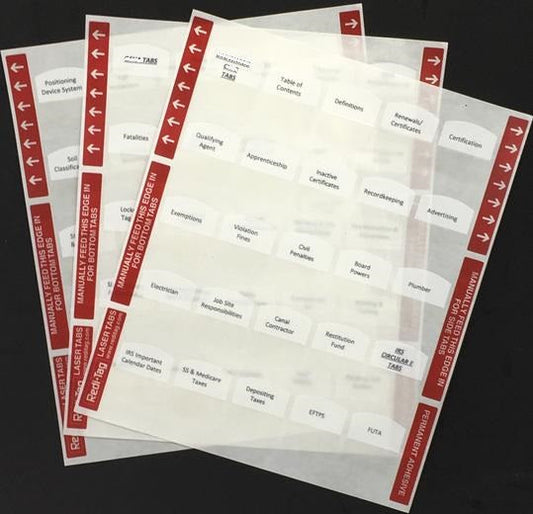
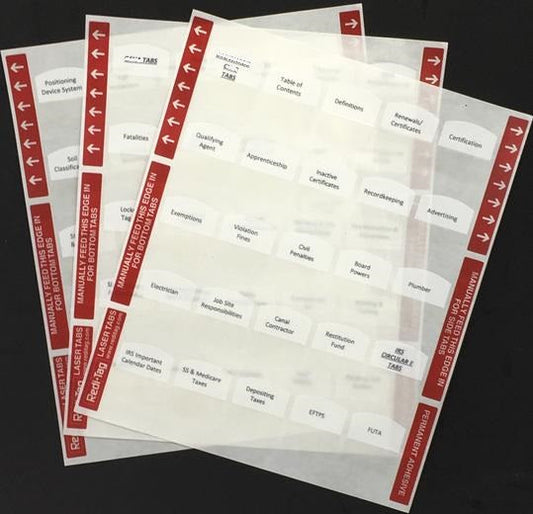
Highlighted pages and section tabs can save preparation time because they make the reference structure easier to recognize. They work best when you practice with the marked books repeatedly. A tab you have never used is only a decorative bookmark. Properly placed markers can guide you to contract clauses, formulas, indexes, or tables, but they cannot decide which answer applies. Understanding the question remains your job.
Compare the Business and Finance highlighted and tabbed book set with an unmarked set to see whether prepared navigation fits your budget. Before using any marked reference in the exam, check the current booklet's permitted tab and highlighting rules. A service description is not permission from the testing center, and an older approved marking method may not apply unchanged forever.
Choose between books, rentals, online prep, and tutoring
There is no one perfect package for every candidate. Owning books may suit someone who wants a permanent reference library. Renting may suit a candidate who needs the approved books for a shorter period. An online practice course can help with steady review. Instructor guidance can make more sense when the same problem keeps showing up in your quiz results. An all-inclusive package might be convenient but should be evaluated line by line.
For example, compare the Florida General Contractor Complete Book Set and General Contractor book rental option. Separately, the Business and Finance online practice-question product specifies a three-month access period and does not include physical books. Look for terms about rental deposits, shipping, digital access, instructor sessions, and application services before you pay.
Build a six-week study plan around weak topics
A realistic study plan is easier to follow than a heroic plan that asks you to read six giant codebooks over one weekend. In week one, confirm your exams and book editions, then take a short diagnostic quiz. Week two can focus on Business and Finance. Week three can cover contract administration or core trade topics. Weeks four and five should address technical subjects and timed questions. Week six is for targeted review, reference navigation, and an exam-day readiness check.
Adjust the order to match your license and appointment. Someone working long construction shifts may do better with forty-five focused minutes most days than one exhausting marathon. Keep a written list of errors, book locations, and questions worth asking an instructor. When you can explain why each corrected answer is right, your studying is producing understanding instead of just collecting check marks.
Practice calculations with units, not guesses
Construction exams can test practical math, from estimated material quantities to markup, financial ratios, and schedule arithmetic. Put units beside each step so square feet do not accidentally become cubic yards. Use realistic numbers rather than rushing to the nearest formula. For a job estimate, separate direct labor and materials from overhead and the margin needed to operate. If the result looks wildly wrong, check the setup before looking for a calculator problem.
Make a small calculation worksheet for common problem types in your official outline. Solve each problem first without a clock, then repeat it under modest time pressure. The goal is to recognize the question pattern, select the correct method, and verify the answer. A calculator helps with arithmetic; it does not rescue an estimate built on the wrong assumptions.
Registration, scheduling, and testing-day logistics
For Florida Construction Industry Licensing Board exams, DBPR says Professional Testing, Inc. handles examination registration and approval steps, while approved computer-based candidates schedule through Pearson VUE. The state identifies a different paper-and-pencil schedule for the plumbing trade knowledge examination. Read the official process for your particular exam rather than scheduling from a generic internet guide.
Before the appointment, confirm your approval status, test part, date, center address, ID requirements, permitted books, and any special accommodations. Leave extra travel time and have a plan for your materials. You do not want to finish six weeks of studying only to discover you brought the wrong reference edition or misunderstood your testing confirmation.
Passing the exam is one milestone, not the final license
A passing result can satisfy an important examination requirement, but it does not automatically establish all the conditions needed for licensure. Depending on the classification and application pathway, candidates may also need qualifying experience, proof of financial responsibility, insurance, background screening, and accurate business information. Some obligations arise after a license is issued, including renewal and continuing education rules. Your checklist should cover more than test preparation.
Use the DBPR licensing resources to understand what follows your exams. Keep copies of test notices, application forms, experience verification, and approval letters in one secure folder. If an exam-prep product advertises application help, confirm exactly what it does and what government fees or approvals are excluded. Helpful assistance does not replace an agency decision.
Compare products without paying twice for the same thing
Begin every product comparison with three questions: What do I already own? Which exam part is this for? What is included for the advertised price? A package labeled 'complete' may mean complete for one exam part, not the entire licensing process. Another product may include live instruction but no book rental. A third may offer books with a refundable deposit and a deadline for returning them. All can be useful, but only when the differences are clear.
Read the entire description, not just the first line. Check any digital-access expiration, rental condition, printed-book edition, shipping allowance, and support policy. If two products include the same course or reference, avoid accidentally purchasing both without a reason. A simple comparison table on paper may save more money than a coupon code you were about to spend forty minutes hunting down.
Your practical pre-exam checklist
A reliable finish comes from small checks made early. Once your exam date is close, stop adding new materials without a clear reason. Review the mistakes that keep repeating and practice finding the relevant text in the books you will actually use. Make one page with your approved reference inventory, testing confirmation, required ID, and questions to resolve with the testing authority.
On the final day, work through a moderate practice set and check the answers. Then organize your books and travel plan. The goal is to arrive ready to reason through unfamiliar questions, not to arrive knowing every page by heart. Good preparation feels less like a dramatic last-minute sprint and more like a series of sensible jobs done in the right order.
Relevant Books, Courses, and Official Resources
Use these links to compare current descriptions and verify official examination requirements. Product availability, editions, access periods, and rental terms may change.
- Florida Exam Prep collection
- 1 Exam Prep Florida contractor catalog
- Florida General Contractor prep collection
- Business and Finance complete book set
- Highlighted and tabbed Business and Finance books
- Business and Finance online practice questions
- General Contractor reference books
- DBPR construction examination information
- DBPR approved reference lists
- DBPR candidate information booklets
- DBPR Construction Industry licensing
A Practical Florida Contractor Exam Checklist
- Write down the exact license classification and every required examination part.
- Check the DBPR examination outline and Candidate Information Booklet.
- Match every reference title and edition to the list effective on your test date.
- Compare products for books, access periods, rentals, deposits, and course features.
- Build an error log and practice reference navigation under a realistic time limit.
- Confirm registration, appointment, identification, and allowed materials.
- Track the additional eligibility and application steps needed for license issuance.
Frequently Asked Questions
Conclusion
Florida contractor exam preparation works best when it begins with a decision rather than a shopping cart. Decide which license classification fits the work you plan to do and then use the state examination outline to learn which parts you must take. A general contractor candidate may need to study Business and Finance, Contract Administration, and Project Management. A roofing, plumbing, HVAC, or another specialty candidate may have a different set of exam parts and trade references. Those differences are not small details. They determine the books you should open, the practice questions you should attempt, and the schedule you should follow.
Once your exam is clear, treat the official reference list as your map. Florida has reference lists effective for 2026 and separate lists for 2027. Match the title and edition of each book to the list that covers your actual examination date. Do not assume a book is approved simply because it worked for a friend last year or because an older web page still lists it. A few minutes of checking can prevent the expensive mistake of ordering a complete set that contains the wrong editions. Use the Candidate Information Booklet to understand the rules for book markings, tabs, identification, and items allowed inside the testing room.
The next part is learning how to study with those references. Open-book testing is not a contest to see who owns the largest stack of manuals. You need to recognize what a question is asking, find the correct part of a reference, read the rule in context, and choose a defensible answer. Practice book navigation, timed questions, and practical calculations. Make an error log that records not only the right answer but also where to find the governing information. If you keep missing financial questions, spend time on accounting and job costing. If you are slow on building-code questions, practice your tables, definitions, and indexes.
Choose learning products based on what is missing from your plan. A book set may be enough for a confident self-studier. Highlighted and tabbed references may save setup time. Online practice questions can help you test understanding. Renting books may lower the cost of short-term preparation, although you must review deposits and return rules. Tutoring and live instruction may be worthwhile when you need help with repeated weak topics. None of these options is automatically best for everyone, and buying several overlapping packages rarely makes your study routine simpler.
Finally, remember that exam preparation and professional licensing are connected but separate responsibilities. Passing the required examinations does not remove the other steps involved in becoming licensed. Keep your experience documentation, application requirements, business records, and approvals organized as carefully as your study notes. Begin with the Florida Exam Prep collection, confirm the rules through DBPR, and build a schedule that fits real life. You do not need to become a walking encyclopedia of construction codes. You need accurate references, disciplined practice, and a clear next step. That is a much more manageable project than trying to learn everything at once.
Key Takeaways
- Choose the exact Florida contractor license and required exam parts before buying materials.
- Match your books to DBPR's official approved-reference list for your exam date.
- Practice open-book navigation, business math, and timed questions instead of only rereading.
- Check course inclusions, rental deposits, editions, and digital access periods carefully.
- Remember that passing an exam and receiving a contractor license are separate steps.
Plain-Language Summary
Here is the simple version of Florida contractor exam prep. First, decide what kind of contractor license you want. Florida has many classifications, including general, building, residential, roofing, mechanical, air-conditioning, plumbing, and other specialties. The work you are allowed to perform depends on the license. That is why you should not start with a random book package. Start by checking the exact license name and the exam parts listed for that classification on the Florida Department of Business and Professional Regulation website.
Next, learn which exam subjects belong to your path. Many construction candidates need Business and Finance preparation. This area deals with how a contractor operates a business. You may review accounting, job costs, contracts, insurance, payroll, taxes, and bidding. General, building, and residential candidates may also study Contract Administration and Project Management. Specialty candidates may face different Trade Knowledge exams. A course for one kind of contractor will not always prepare you for another kind of contractor.
After choosing the exam, find the approved books. Florida DBPR publishes the official reference list. There are different lists for examinations in 2026 and 2027, so the examination date matters. Check each title and edition. The fact that a book looks almost the same as another book does not mean both are approved. Open-book exams permit approved materials, not every notebook or website you can carry into a testing center. Read the Candidate Information Booklet to learn the rules for highlighting, tabs, bindings, identification, and other exam-day details.
Then build a steady study schedule. You can start with a short quiz to see what you already understand. Spend extra time on weak subjects. Practice using the books, especially their indexes, chapter headings, and tables. Do not only memorize answers. Learn why an answer is correct and where the supporting information appears. Use simple calculation drills for financial questions, estimates, and other math. Try timed question sets after you feel comfortable with the basics. Short regular sessions can work better than a giant last-minute cram session.
When comparing products, ask what is included. Some packages are just books. Others may include highlighted and tabbed books, online questions, rentals, live classes, or application support. One online Business and Finance practice-question product from 1 Exam Prep lists three months of access and no physical books. That detail matters if you also need references. Rental deposits, return deadlines, and course access periods can differ, so read the listing before ordering. Do not pay twice for the same material just because two product titles sound different.
Once you are ready, follow the official registration process. DBPR directs Construction Industry Licensing Board examination applicants to Professional Testing, Inc. Approved computer-based candidates generally schedule through Pearson VUE, while plumbing trade knowledge examinations use a different arrangement. Confirm the appointment details and bring only permitted materials. After the exam, remember that passing is not the same as receiving the license. You may still need experience records, insurance, application forms, and other approvals. Your smartest move is to follow one clear sequence: choose the license, confirm the exam, check references, study with purpose, take the test, and finish the licensing application.