











Contractor Business Products: Complete Exam Prep Guide, Books, Courses, and Study Strategies
Getting ready for a contractor business and finance examination can feel like opening a toolbox where every drawer is labeled 'important.' You know the work matters, but you still need to choose what deserves attention first. This guide is written for contractor license applicants, trade professionals becoming business owners, and candidates reviewing business law and accounting. It explains how to choose relevant resources, build a practical study routine, and keep your preparation connected to the exam you actually plan to take.
Business products can include study books, accounting resources, online classes, and other support for contractor administration. Start with the Contractor Business Products collection and compare its offerings with the requirements issued by your licensing authority. The best book, course, or package is not necessarily the biggest one. It is the one that helps you learn the right material without filling your week with unnecessary busywork.
We will break down estimating, contracts, construction accounting, financial responsibility, company administration, and regulatory duties, explain how study materials fit together, and give you a manageable plan for exam day. No one needs to become a human filing cabinet. What matters is being able to recognize a question, find or recall the right information, and make a sound decision under a little pressure.
Start With Your Exact License, Exam, and Candidate Bulletin
Before opening a workbook, identify the licensing authority, exam name, candidate number if supplied, test provider, passing standard, and the references listed for your test date. Some products target Florida Business and Finance while others may serve different states or business needs; do not assume the requirements are identical. This first step prevents a frustrating mistake: spending weeks preparing for a nearby but different examination.
The same trade can have different examinations from one state or county to another. A journeyman test may emphasize field installations, while a master test may add advanced calculations or broader responsibilities. Contractor classifications can add business subjects. Use the official outline to divide your preparation by topic and to understand the permitted testing materials.
Write these details on the first page of a study notebook. Include your tentative exam date, the topics you already understand, and two areas where you need work. When the plan is visible, it is easier to measure progress. You can update the list after every practice session instead of guessing whether you are improving.
Code Editions, Reference Lists, and What the Product Year Means
Business and Finance exams are jurisdiction-specific. Florida Business and Finance is open book, but examinees must comply with current approved-reference and marking rules. This is especially important when a collection title includes a calendar year. The product release year, reference publication year, adopted code edition, and date of your scheduled examination may not be the same thing.
Use the official testing bulletin as the final guide for approved materials. For electrician products, compare NEC editions and state amendments. For construction and finance packages, compare each manual, code, statute, and contract form. A reference can be an excellent resource while still being the wrong edition for your exam.
Also verify whether the test is open book or closed book. The florida business and finance examination uses an open-book format with approved references. Even when references are permitted, the testing center may restrict tabs, notes, highlighting, bindings, or loose materials. Practice with the rules you will face on test day, not rules someone remembers from an exam years ago.
Starting and organizing a contracting business
Contractor business exams may test business entities, recordkeeping, administrative duties, professional licensing responsibilities, and how decisions affect the company and its customers. These subjects reward understanding more than memorizing an isolated sentence. It helps to notice the conditions in the question before deciding which method or reference applies. Translate the lesson into a small business decision, such as how an estimate, contract, or payroll choice affects risk.
Draw a simple workflow from estimate to signed agreement, project delivery, invoicing, and closeout. After you solve the problem, explain your choice in plain language. If you used a book, write down the source and why it applies. If the examination is closed book, practice recalling the principle after checking the explanation during study.
An applicant who studies only the trade side can be surprised by routine office-management questions. Keep a short mistake log for this subject. A useful log contains the question topic, the idea you missed, and one reminder for next time. Review that page a few days later so the same mistake does not appear again with a different set of numbers or words.
Accounting, job costing, and cash flow
Construction accounting asks how money moves through a project. Revenue, costs, overhead, payroll, receivables, financial statements, and cash flow are related but not interchangeable. These subjects reward understanding more than memorizing an isolated sentence. It helps to notice the conditions in the question before deciding which method or reference applies. Translate the lesson into a small business decision, such as how an estimate, contract, or payroll choice affects risk.
Build a short job-cost example with materials, labor, overhead, and collection timing, then explain what each figure tells you. After you solve the problem, explain your choice in plain language. If you used a book, write down the source and why it applies. If the examination is closed book, practice recalling the principle after checking the explanation during study.
Profit on paper does not always mean there is enough cash to cover next week's bills. Keep a short mistake log for this subject. A useful log contains the question topic, the idea you missed, and one reminder for next time. Review that page a few days later so the same mistake does not appear again with a different set of numbers or words.
Bidding and estimating a project
Accurate bids account for labor, materials, equipment, subcontractors, overhead, risk, and the terms in the bid documents. An exam may ask you to interpret instructions rather than merely add numbers. These subjects reward understanding more than memorizing an isolated sentence. It helps to notice the conditions in the question before deciding which method or reference applies. Translate the lesson into a small business decision, such as how an estimate, contract, or payroll choice affects risk.
Take a sample job, identify direct costs, and practice checking your math before comparing it with the bid conditions. After you solve the problem, explain your choice in plain language. If you used a book, write down the source and why it applies. If the examination is closed book, practice recalling the principle after checking the explanation during study.
The lowest number is not automatically a responsible bid if it omits required work. Keep a short mistake log for this subject. A useful log contains the question topic, the idea you missed, and one reminder for next time. Review that page a few days later so the same mistake does not appear again with a different set of numbers or words.
Construction contracts and subcontractors
Contract documents can define responsibilities for changes, delays, payment, notice, risk, and dispute handling. Candidates need to know where requirements live within agreements and general conditions. These subjects reward understanding more than memorizing an isolated sentence. It helps to notice the conditions in the question before deciding which method or reference applies. Translate the lesson into a small business decision, such as how an estimate, contract, or payroll choice affects risk.
When reviewing a mock contract question, identify the parties, the relevant document, and the exact clause addressing the issue. After you solve the problem, explain your choice in plain language. If you used a book, write down the source and why it applies. If the examination is closed book, practice recalling the principle after checking the explanation during study.
Do not answer a contract question based only on what your last employer usually did. Keep a short mistake log for this subject. A useful log contains the question topic, the idea you missed, and one reminder for next time. Review that page a few days later so the same mistake does not appear again with a different set of numbers or words.
Statutes, insurance, and compliance
Contractor responsibilities can touch professional regulation, licensing, insurance, payroll, employee practices, and government reporting. Requirements are state-specific and can change over time. These subjects reward understanding more than memorizing an isolated sentence. It helps to notice the conditions in the question before deciding which method or reference applies. Translate the lesson into a small business decision, such as how an estimate, contract, or payroll choice affects risk.
Use the current approved legal references to make a topic index for licensing duties, insurance concepts, and regulatory obligations. After you solve the problem, explain your choice in plain language. If you used a book, write down the source and why it applies. If the examination is closed book, practice recalling the principle after checking the explanation during study.
Old statutory editions or informal internet summaries should not replace official examination references. Keep a short mistake log for this subject. A useful log contains the question topic, the idea you missed, and one reminder for next time. Review that page a few days later so the same mistake does not appear again with a different set of numbers or words.
Time management on an open-book exam
Florida Business and Finance preparation rewards both subject knowledge and efficient lookup habits. Even with approved books in the testing room, candidates must understand which reference contains the answer. These subjects reward understanding more than memorizing an isolated sentence. It helps to notice the conditions in the question before deciding which method or reference applies. Translate the lesson into a small business decision, such as how an estimate, contract, or payroll choice affects risk.
Practice several timed questions in a row, record how long it takes to find support, and review the slower lookups. After you solve the problem, explain your choice in plain language. If you used a book, write down the source and why it applies. If the examination is closed book, practice recalling the principle after checking the explanation during study.
Open book does not mean unlimited time, and bringing a book you have never opened is rarely a winning strategy. Keep a short mistake log for this subject. A useful log contains the question topic, the idea you missed, and one reminder for next time. Review that page a few days later so the same mistake does not appear again with a different set of numbers or words.
Choosing Study Guides, Complete Packages, and Prepared References
The Contractor Business Products collection can help you compare several ways of learning. Some candidates prefer a study guide with explanations and practice questions. Others want a codebook or an approved reference set, with or without tabs. A larger package may combine books and a course. The right fit depends on your examination format, schedule, and budget.
For example, the Florida Business and Finance Online Exam Prep Course is a real 1 Exam Prep listing related to this subject. Read the current product description and check exactly what it includes. A product labeled 'complete' for one exam might not cover a second trade test or a separate Business and Finance requirement.
If you already own several approved books, do not purchase duplicate copies without a reason. Compare your shelf against the package contents, and ask whether the missing piece is subject knowledge, reference navigation, calculation practice, or test-taking speed. A smaller resource that fixes a clear gap can be more useful than a huge box of untouched manuals.
Florida Business and Finance Complete Book Set: What to Check Before Buying
Take a look at the Florida Business and Finance Complete Book Set. This resource gives a concrete example of the options in the surrounding study category. The listing may include a guide, prepared books, or online support depending on the selected version. Review the description rather than assuming every similarly named package contains the same items. Think about the work you need to do between today and your test date. A realistic study plan should guide the purchase, not the other way around.
Ask whether this item matches your licensing level and whether you will need other references or a separate business examination. Check if the package grants permanent book ownership, time-limited access, or a rental period. If it includes a course, confirm the format and whether practice questions or explanations are part of that course.
Use the product alongside your exam bulletin and take notes on what remains uncovered. This is a good moment to check customer support information and current terms as well. Choosing carefully now leaves more time for actual studying later, which is the part that moves your score.
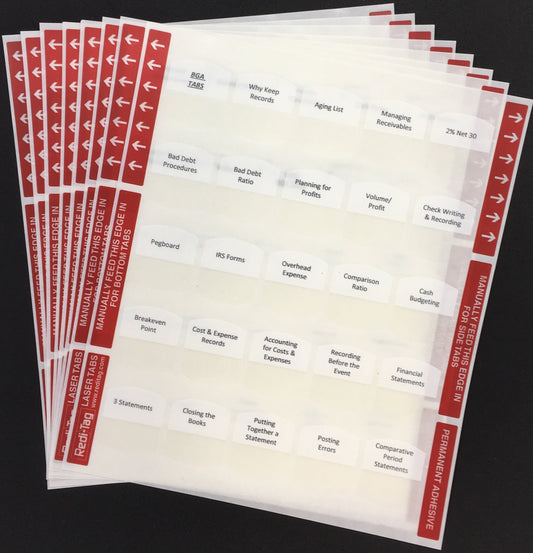
Florida Business and Finance Highlighted and Tabbed Set: What to Check Before Buying
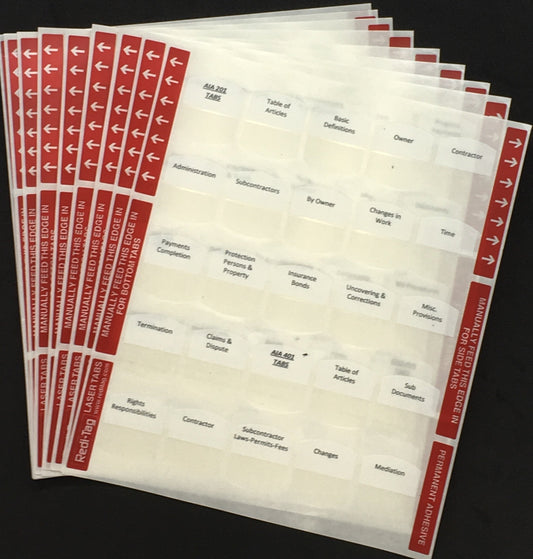
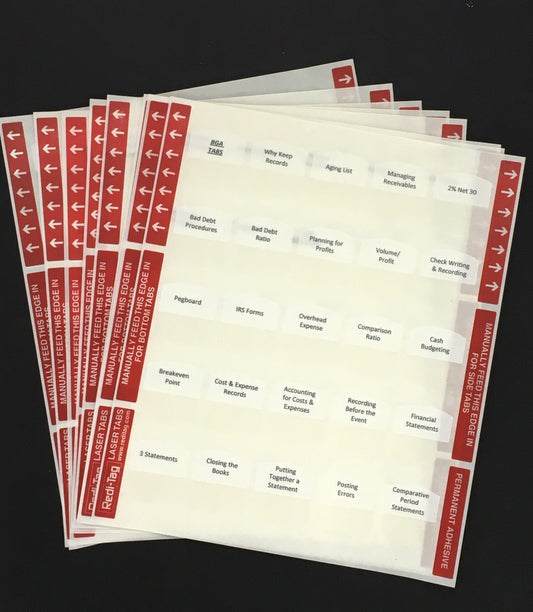
Take a look at the Florida Business and Finance Highlighted and Tabbed Set. A second product example helps show how exam prep formats can differ. One item may focus on practice problems, while another centers on owned or rented references. Compare editions, shipping, course access, included tabs, and any return instructions before ordering. Think about the work you need to do between today and your test date. A realistic study plan should guide the purchase, not the other way around.
Ask whether this item matches your licensing level and whether you will need other references or a separate business examination. Check if the package grants permanent book ownership, time-limited access, or a rental period. If it includes a course, confirm the format and whether practice questions or explanations are part of that course.
Use the product alongside your exam bulletin and take notes on what remains uncovered. This is a good moment to check customer support information and current terms as well. Choosing carefully now leaves more time for actual studying later, which is the part that moves your score.
Practice Questions, Online Courses, and Active Learning
An online course can bring order to a crowded reference list, but watching lessons by itself is rarely enough. Effective financial examples, approved business references, contracts, timed lookup questions, and short daily exercises requires you to answer questions without peeking, review why an answer works, and return to topics that keep slowing you down.
Start each session with a short review of yesterday's mistakes. Work through one small subject, answer several questions, and then study the explanations. Mix easy and difficult problems so you can tell whether you truly recognize the principle when the wording changes. A good practice test should help you discover weaknesses rather than simply make you feel good.
Different resources can work together. The Florida Business and Finance Books and Course Rental provides another relevant option to compare, but do not assume it is required for your exam. Build the combination you will actually use, and check your course access dates before you put the study calendar together.
Six-Week Study Plan You Can Adapt
Six weeks is a practical planning example, not a rule for how long everybody should study. Someone with strong work experience may spend more time on test language, while a new candidate may need extra time for fundamentals. Use the official outline to adjust the following schedule and build in rest days.
- Week 1: Confirm the exam, check book editions and permitted materials, organize your workspace, and complete a short baseline quiz.
- Week 2: Study starting and organizing a contracting business and accounting, job costing, and cash flow; write a one-page summary of the important ideas.
- Week 3: Work through bidding and estimating a project and construction contracts and subcontractors; solve problems without looking at the explanation first.
- Week 4: Review statutes, insurance, and compliance and time management on an open-book exam, then revisit weak subjects from earlier weeks.
- Week 5: Take timed mixed-topic practice tests, keep a mistake log, and rehearse code or reference lookups only when your real exam allows books.
- Week 6: Repeat your weakest questions, verify identification and test-center rules, and prepare everything needed for the appointment.
Consistency beats a dramatic all-night cram session. Even forty focused minutes can be useful when you are solving questions and reviewing feedback. Schedule the hardest work for the part of your day when you can think clearly. The goal is to arrive prepared, not exhausted.
Common Mistakes to Avoid During Exam Preparation
One common mistake is studying the trade expertly but overlooking the separate accounting, contractual, and administrative material. Another is keeping a stack of resources without an organized practice method. It is easy to feel productive when you buy supplies and rearrange tabs, but real progress comes from being able to solve new problems accurately.
Watch out for outdated editions, the wrong license classification, and unrealistic claims that a product guarantees success. Start from the license application and examination content outline, then fill your biggest skill gaps. Review your own missed questions before taking another practice test. When the same weakness appears twice, give it a dedicated session instead of hoping it disappears on test day.
Do not confuse licensing eligibility with exam readiness. A course can help you study, but it does not automatically satisfy experience, insurance, education, application, or board approval requirements. Check those separately with the responsible authority. Exam preparation is one important part of a larger licensing process.
How to Choose the Best Next Step
Start with one question: what is the biggest gap between my current skills and the official outline? If it is technical knowledge, study the subject carefully. If it is speed, practice timed questions. If it is reference navigation, work with the exact approved books. If it is business law or accounting, give those subjects their own schedule.
Then review the Contractor Business Products collection again. Compare the listed materials, individual product pages, editions, delivery method, and total commitment required. Decide what to buy only after you know the examination, the materials you already own, and the dates that matter. A well-matched resource should simplify your plan rather than add another pile of reading.
Your goal is not to study everything ever written about contractor business, finance, and professional responsibility. Your goal is to learn the tested ideas, work through realistic questions, and understand why the answers are correct. Keep the process steady, check official requirements when they change, and give yourself credit for measurable progress.
Frequently Asked Questions
These answers cover common questions about this collection. Select a question to reveal its answer. Always confirm current examination rules with the licensing authority.
Conclusion: A Practical Path to Exam Readiness
Preparing for Contractor Business Products is easier when the plan starts with facts instead of guesses. The first decision is not which book to buy; it is which contractor business and finance examination you must take. Find the official outline, identify the licensing authority, check the code editions or reference list, and learn the testing rules. A clear starting point reduces wasted time and prevents the familiar problem of studying very hard for the wrong material.
Business products can include study books, accounting resources, online classes, and other support for contractor administration. This difference matters because the same-looking resources do not always serve the same examination. A course may explain important ideas while a book set supplies the approved references. A study guide may teach common questions, whereas calculation practice strengthens step-by-step problem solving. Do not judge a product by how impressive the package looks. Judge it by whether it addresses real gaps in your knowledge.
Once the correct materials are in front of you, organize them into small subjects. Start with starting and organizing a contracting business and accounting, job costing, and cash flow, then make room for bidding and estimating a project and construction contracts and subcontractors. Continue with statutes, insurance, and compliance and time management on an open-book exam. The point is not to treat every topic as equally difficult. Use your practice results to decide which areas need another hour and which subjects are already solid enough for review.
Questions are most helpful when you study the explanation behind the answer. If you miss a calculation, redo it with the units written clearly. If you select the wrong reference, practice finding the correct chapter. If you forget a definition, connect it to a real installation or business situation. A short notebook containing these corrections is often more useful than a long stack of answers you have already memorized.
Some products target Florida Business and Finance while others may serve different states or business needs; do not assume the requirements are identical. Rechecking the editions is not an annoying extra chore; it protects the rest of the preparation effort. Licensing programs and reference lists can change. The same care applies to exam-room rules, especially when you study with highlighted or tabbed books. You may be allowed to use a reference during practice that cannot go into the actual testing room. It is better to discover that before your appointment.
Good preparation also respects time and money. Decide how many study sessions you can realistically complete, then look for a resource that supports that routine. You do not need every available product. Some people learn best with books, others need guided lessons, and others need focused practice with timing and calculations. Combining resources makes sense only when you have a reason for each addition.
Before the test, check your identification, appointment details, approved materials, and travel plans. Leave enough time to review your weakest topics without exhausting yourself. Exam results are only one stage of licensing, so keep application, experience, insurance, and financial requirements on your checklist as well. A successful examination does not automatically complete every step required by the responsible authority.
Explore the Contractor Business Products options at 1 Exam Prep with those priorities in mind. Compare current product descriptions and confirm any uncertain details with the licensing agency or product provider. With an accurate exam plan, steady practice, and resources you can actually use, you can approach the next stage of your trade or contracting career with better judgment, stronger habits, and more confidence.
Key Takeaways
- Confirm your exact contractor business and finance examination, approved references, and testing rules before buying.
- Compare the Contractor Business Products collection with official examination information and individual product descriptions.
- Study the six major areas described above, giving extra time to questions you consistently miss.
- Use timed practice, review explanations, and track code or reference lookups where permitted.
- Check course access, book ownership or rentals, exam-day materials, and remaining license requirements.
Plain-Language Summary
The Contractor Business Products collection is a place to explore study products, but the starting point is the exact exam you intend to take. Write down your license name, the government agency in charge, and the testing company if one is listed. Find the official subject outline and any approved book list. This avoids buying materials that look correct but were written for a different state, licensing level, or code edition.
Business products can include study books, accounting resources, online classes, and other support for contractor administration. A product can be useful without being required, and a book that helped another candidate might not match your own examination. Some products target Florida Business and Finance while others may serve different states or business needs; do not assume the requirements are identical. Before ordering, check what each product includes, whether it uses the current reference edition, and whether there are shipping, access, or rental limits.
Your study subjects should include starting and organizing a contracting business, accounting, job costing, and cash flow, and bidding and estimating a project. These areas connect to the real skills covered by estimating, contracts, construction accounting, financial responsibility, company administration, and regulatory duties. Work through an explanation and then answer questions without looking at the solution. If a question includes a drawing, table, or calculation, take the time to show your reasoning. Being able to explain the answer matters more than recognizing a familiar question.
Continue with construction contracts and subcontractors, statutes, insurance, and compliance, and time management on an open-book exam. Mark the topics that cause the most mistakes. Review those weak areas again a few days later. You do not need to spend exactly the same amount of time on every subject. A short daily session spent correcting a repeated error can be more helpful than an extra hour reading a chapter you already understand.
There are several learning formats. A study guide offers written review and questions. A complete book set gathers references. Highlighted and tabbed books can help during permitted reference work. An online course may provide guided lessons and extra practice. A rental package gives temporary access to selected resources. Read the individual offer carefully because a course, tabs, flash cards, and permanent books are not automatically included together.
Try a six-week study schedule if you need a starting point. Use the first week for exam confirmation and organization. Spend the next three weeks reviewing the largest subjects. In week five, take mixed-topic practice tests and check the answers you missed. Use the final week for weak spots and exam-day preparation. Adjust this calendar if you need more time or are already strong in a subject.
The florida business and finance examination uses an open-book format with approved references. Do not guess the exam-room rules. Even when a book is approved, notes or tabs may be limited. Some testing centers have strict instructions about identification, calculators, permitted references, and arrival times. Read those instructions before you leave home. You want the day to test your knowledge, not your talent for handling last-minute paperwork.
The goal is a steady, useful plan. Compare the Contractor Business Products collection with official requirements, purchase only the resources that address your needs, and practice explaining answers. Study materials do not guarantee passage or a license. They can, however, help you prepare in a more organized way and make it easier to identify what to learn next.