


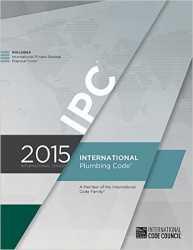
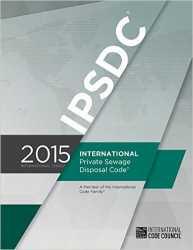
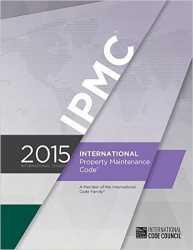
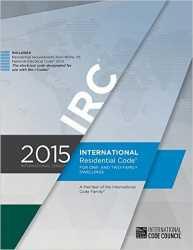


Featured Contractor Exam Prep Products: Books, Packages, Courses and Exam Preparation Guide
Preparing for a professional licensing examination takes more than collecting books and hoping the right page appears. The goal is to understand what your testing authority expects, locate the rules that apply, and practice making good decisions when the clock is running. Compare sample contractor prep products and learn how to choose the correct books or courses. This guide is written for busy students who want a clear, practical path from choosing materials to reviewing their final practice results.
Start at the Featured Contractor Exam Prep Products collection to see the subject area and study choices. Product names can sound alike, but the contents and exam editions may be different. Some candidates need a single workbook; others need a full reference set. The sensible choice is the one that matches the exact exam you will take, the books you already own, and the time you can genuinely devote to studying.
The best study product matches your exam scope, code edition, and daily study routine. A strong plan includes reading the official outline, reviewing the right references, solving realistic problems, and learning from mistakes. This approach is less glamorous than buying every guide on the shelf, but it has a much better chance of making your study hours useful. You do not need a mountain of paper to build a solid routine.
Match the Course or Book to Your Exact Examination
Before looking at packages, write down your exact license or certification name, the jurisdiction, the examination provider, and your scheduled exam date. Two exams can use similar trade terms while requiring different editions and different reference lists. If your test has several portions, such as business and trade, treat those as separate checklists instead of assuming a single general guide covers both.
Verify product availability and contents directly; the provided featured collection was inaccessible during checking. Look for the current candidate information bulletin on the regulator's official website. Confirm exam format, permitted references, passing requirements, available time, and any eligibility steps. Store descriptions help you compare products, but licensing boards and testing providers are the authority for the exam you will actually sit.
A helpful starting exercise is to draw three columns: 'required,' 'already owned,' and 'still needed.' Put each reference title in the correct column. Then list the topics you find hardest. This small inventory turns a confusing shopping page into a practical purchase plan and prevents duplicate books from draining the study budget.
Three details to check for this collection
- Featured placement is not a licensing classification.
- A storefront can update which products are promoted.
- The supplied featured-products collection could not be opened during verification, so examples below are catalog products rather than confirmed current featured items.
Relevant Study Products and Collection Options
The collection is most useful when you compare several formats instead of choosing the first attractive listing. Verified examples elsewhere in the 1 Exam Prep catalog include 2025 Journeyman Electrician Study Guide; 2025 Complete Master Electrician Exam Prep Package; Florida Business and Finance Highlighted & Tabbed Book Set; Florida Roofing Exam Highlighted & Tabbed Trade Books; Florida NASCLA Ultimate Exam Prep Rental Package. These are examples of available product pages, not a promise that every item appears in the current collection or contains the same materials. Review each listing for included titles, editions, access periods, and purchase or rental terms.
For a learner who already owns the correct references, a study guide or question bank may be enough to organize practice. Someone preparing for an examination with a large reference list may value a coordinated book package. Online review can help learners who need structure and flexibility, while flash cards are best used as short recall exercises rather than replacements for complete technical reading.
Read the product details with the same care you would give a construction specification. Does the price cover books to keep, books to return, a digital course, or a combination? Are tabs preinstalled? Does the course access end before your exam date? Those practical details determine whether the package will actually fit the way you plan to study.
Choose by the examination, not a badge
A highlighted product position does not establish that an item matches your license. Start with classification and code edition. This subject deserves a place in your study plan because examination questions often test how a rule is applied, not merely whether you recognize its name. Begin by writing a short explanation in your own words. If you cannot explain a term clearly, you probably need another pass through the reference material before adding speed.
After each practice set, record the question type, your first answer, the corrected reasoning, and the reference that supports it. Compare the listing against your own exam outline before assuming it belongs in your plan. Return to that note a few days later without looking at the answer. If you can solve a new version independently, the subject is becoming a usable skill instead of a sentence you memorized once.
Reference books and complete sets
Compare individual study guides with full book collections. Buy only what supports the official outline. This subject deserves a place in your study plan because examination questions often test how a rule is applied, not merely whether you recognize its name. Begin by writing a short explanation in your own words. If you cannot explain a term clearly, you probably need another pass through the reference material before adding speed.
After each practice set, record the question type, your first answer, the corrected reasoning, and the reference that supports it. Compare the listing against your own exam outline before assuming it belongs in your plan. Return to that note a few days later without looking at the answer. If you can solve a new version independently, the subject is becoming a usable skill instead of a sentence you memorized once.
Online courses and lessons
Check the syllabus, access duration, and whether video or exercises address the needed licensing test. This subject deserves a place in your study plan because examination questions often test how a rule is applied, not merely whether you recognize its name. Begin by writing a short explanation in your own words. If you cannot explain a term clearly, you probably need another pass through the reference material before adding speed.
After each practice set, record the question type, your first answer, the corrected reasoning, and the reference that supports it. Compare the listing against your own exam outline before assuming it belongs in your plan. Return to that note a few days later without looking at the answer. If you can solve a new version independently, the subject is becoming a usable skill instead of a sentence you memorized once.
Practice simulators
Use timed questions to diagnose weak areas, not to promise a passing score. This subject deserves a place in your study plan because examination questions often test how a rule is applied, not merely whether you recognize its name. Begin by writing a short explanation in your own words. If you cannot explain a term clearly, you probably need another pass through the reference material before adding speed.
After each practice set, record the question type, your first answer, the corrected reasoning, and the reference that supports it. Compare the listing against your own exam outline before assuming it belongs in your plan. Return to that note a few days later without looking at the answer. If you can solve a new version independently, the subject is becoming a usable skill instead of a sentence you memorized once.
Highlighted and tabbed books
Marked books can improve navigation in practice. Test-center rules still control what is permitted. This subject deserves a place in your study plan because examination questions often test how a rule is applied, not merely whether you recognize its name. Begin by writing a short explanation in your own words. If you cannot explain a term clearly, you probably need another pass through the reference material before adding speed.
After each practice set, record the question type, your first answer, the corrected reasoning, and the reference that supports it. Compare the listing against your own exam outline before assuming it belongs in your plan. Return to that note a few days later without looking at the answer. If you can solve a new version independently, the subject is becoming a usable skill instead of a sentence you memorized once.
Rental packages
Read the terms for deposits, borrowed books, course access, processing, and returns. This subject deserves a place in your study plan because examination questions often test how a rule is applied, not merely whether you recognize its name. Begin by writing a short explanation in your own words. If you cannot explain a term clearly, you probably need another pass through the reference material before adding speed.
After each practice set, record the question type, your first answer, the corrected reasoning, and the reference that supports it. Compare the listing against your own exam outline before assuming it belongs in your plan. Return to that note a few days later without looking at the answer. If you can solve a new version independently, the subject is becoming a usable skill instead of a sentence you memorized once.
Local versus national exams
A national exam prep product may not cover the local business or licensing requirements for your state. This subject deserves a place in your study plan because examination questions often test how a rule is applied, not merely whether you recognize its name. Begin by writing a short explanation in your own words. If you cannot explain a term clearly, you probably need another pass through the reference material before adding speed.
After each practice set, record the question type, your first answer, the corrected reasoning, and the reference that supports it. Compare the listing against your own exam outline before assuming it belongs in your plan. Return to that note a few days later without looking at the answer. If you can solve a new version independently, the subject is becoming a usable skill instead of a sentence you memorized once.
Review product claims carefully
Compare included items and official requirements rather than assuming a popular or featured product is universally suitable. This subject deserves a place in your study plan because examination questions often test how a rule is applied, not merely whether you recognize its name. Begin by writing a short explanation in your own words. If you cannot explain a term clearly, you probably need another pass through the reference material before adding speed.
After each practice set, record the question type, your first answer, the corrected reasoning, and the reference that supports it. Compare the listing against your own exam outline before assuming it belongs in your plan. Return to that note a few days later without looking at the answer. If you can solve a new version independently, the subject is becoming a usable skill instead of a sentence you memorized once.
Choose a Study Format That Fits Your Workweek
Some candidates learn best from a printed book, while others need an instructor to explain a difficult idea before it sticks. Neither choice is automatically better. The effective format is one you can use consistently: a short lesson after work, a workbook session at the kitchen table, or timed questions on a quiet weekend morning. Keep the format connected to the official exam topics.
Try a simple cycle: preview the subject, study the rule, attempt several questions, and review the answers. After that, write a two-sentence explanation of the main idea. If you are using an online class, pause the video before the solution appears and do the work yourself. Watching someone else reach the correct answer is not the same as being able to do it alone.
Mix study modes during the week. A longer session can cover new material; ten-minute reviews can revisit formulas, book locations, or mistakes. What matters is that each session has a clear outcome. Reading for two hours without checking understanding can create the illusion of progress, which is a sneaky way for an exam to surprise you later.
Practice Questions, Timing and Error Logs
Practice questions are most valuable after you review why each option is correct or incorrect. Keep a simple error log with columns for subject, mistake, correct method, and next review date. Group repeat errors together so you can see whether a weakness comes from a missing fact, incorrect calculation, misunderstanding of wording, or poor use of time.
For example, consider a popular-looking product that uses the wrong code edition. The specific values or section numbers may change from one question to another, but the first step remains the same: identify the exam topic and decide what evidence supports the answer. A timed practice session helps reveal whether you are spending too long searching, rechecking arithmetic, or second-guessing an answer you already understand.
Use practice scores as information, not as a guarantee of your real result. A strong mock score from repeated familiar questions can hide gaps. Add new examples, change the order, and revisit weak subjects. A realistic practice session should reflect the allowed references, time limit, calculator rules, and question style published for your own examination.
A Six-Week Study Schedule You Can Adapt
Start with six weeks as a flexible framework, not a legal requirement or a promise that everyone will be ready. Someone returning to study after many years may need longer, while an experienced candidate with strong baseline scores may move faster. Use the outline and your first practice test to decide where the hours belong. Put the sessions on a calendar so work does not quietly swallow them.
Week one is for checking the candidate bulletin and sorting materials. During weeks two and three, build core knowledge and practice reading the applicable rules. Week four adds calculations, difficult examples, and unfamiliar scenarios. Week five moves into timed mixed-subject practice. Use the final week to repair weak spots and confirm practical exam-day arrangements, rather than starting a brand-new book.
A reliable weekly target is several short sessions plus one longer review. At the end of each week, pick three topics you can now explain without notes and two you still need to revisit. This is more useful than judging success by how many pages you turned. The purpose of a schedule is to improve readiness, not to keep you busy.
Buying Checklist: Editions, Access, Tabs and Terms
Before checkout, compare the product contents to the official reference list line by line. Confirm titles, editions, code cycle, and whether a package contains all the required books or only a study guide. If you own an older edition, check whether it is explicitly allowed. Even when the technical principles remain sound, an outdated reference can point you toward a wrong answer.
Next, check how the item is delivered. Printed and marked books may require processing and shipping time. A rental package may involve a refundable deposit or a deadline that starts at shipment. Digital courses may have limited access and different renewal terms. Read the specific product page rather than assuming all packages share the same policies.
Finally, check what the testing center allows. An open-book examination can still prohibit certain handwritten notes, tabs, detached materials, or electronic devices. A closed-book examination will not let you bring study references into the room at all. Keep a saved copy of the official rules and use the correct format during your final mock exams.
Exam Week and What Comes After the Test
The week before the exam, confirm your appointment, location, identification, calculator policy, approved references, and arrival instructions. Gather permitted materials early so you are not searching for a book on the morning of the test. For long open-book exams, place reference books in an easy-to-reach order. For closed-book tests, focus on understanding and quick recall instead.
Read every question carefully. A single word such as 'minimum,' 'except,' or 'most appropriate' may change what is being asked. Mark difficult items when the testing system permits it, watch the clock, and return with a fresh look if time remains. Resist the urge to chase a perfect answer long after the rest of the test needs attention.
Passing an exam may be one part of a larger licensing process. Applications, documented experience, business qualifications, fees, and other requirements can still apply. Study products help prepare for questions, but they do not award a license or guarantee a passing score. Keep the official agency's instructions close until every step has been completed.
Frequently Asked Questions
Open a question below for a practical explanation. Always check the official exam bulletin for rules that may change.
Conclusion: A Practical Path to Exam Readiness
Preparing for Featured Contractor Exam Prep Products is a project in its own right. The first task is to make sure that the resources you select match the examination you will actually take. Start with the official licensing authority, the exact classification, and the candidate information bulletin. That document should guide your choices about reference titles, editions, examination format, and eligibility. A beautifully organized package can still send you in the wrong direction if it uses a different code cycle or addresses another licensing category. When the starting information is correct, every later study session becomes more valuable.
Next, build a foundation rather than collecting isolated answers. Subjects such as choose by the examination, not a badge and reference books and complete sets are easier to remember when you understand their purpose. Do not only ask which choice is correct. Ask why the other options do not apply, what facts the question provides, and which rule controls the outcome. In technical fields, a small change in conditions can produce a very different answer. Treat each example as a chance to practice making that distinction clearly and calmly.
Use the format that helps you learn consistently. Printed study guides allow you to annotate your thought process and follow calculations line by line. Online lessons can explain difficult material in smaller steps. Practice questions help reveal what you do not yet understand, and book sets can organize the references needed for a particular exam. Compare options in the Featured Contractor Exam Prep Products collection and read the individual listings before buying. If books are rented, note the deposit and return window. If course access is limited, create a schedule before the clock starts.
The middle of your study plan should include regular work on online courses and lessons, practice simulators, and unfamiliar questions. Mix the subjects instead of studying one topic until the answer choices look familiar. Keep an error log and revisit each important mistake several times. Spend extra time on the errors you repeat, not on the chapters that already feel comfortable. For an open-book exam, practice locating complete rules under time limits. For a closed-book exam, rehearse recall without the study materials in reach. In either case, speed should follow accuracy.
Good preparation includes practical details as well. Check which identification and equipment the testing center permits. Review the appointment confirmation, time limit, and current reference rules. Prepare your travel plan, arrive according to the instructions, and read every question before answering. When you meet a difficult item, use the systematic method you have practiced rather than guessing from a familiar phrase. No study guide guarantees a particular result, but organized preparation improves how effectively you can demonstrate the knowledge you already have.
Finally, remember that an examination is often only one part of licensing. Applications, experience records, financial or business requirements, and administrative approval may still be necessary. Verify product availability and contents directly; the provided featured collection was inaccessible during checking. Your next step is simple: confirm the examination, choose matching resources, set a workable weekly schedule, and keep reviewing until the weak spots improve. The goal is not to own the greatest number of books or complete the most practice tests. It is to become prepared enough to reason through new questions with confidence and care.
Key Takeaways
- Match the exact Featured Contractor Exam Prep Products resource to your examination name, reference editions, and current testing rules.
- Choose between single books, prepared sets, online review, and rental formats based on your needs and product contents.
- Spend deliberate practice time on choose by the examination, not a badge, reference books and complete sets, and other weak subjects.
- Use timed questions and an error log to improve understanding rather than memorizing answer letters.
- Check exam-room permissions, appointment details, and any separate licensing requirements before test day.
Plain-Language Summary
If you are getting ready for Featured Contractor Exam Prep Products, the most useful first step is to find out exactly which exam you need to pass. Look at the licensing authority's current website and read the official examination bulletin. Check the test name, any required experience, the approved code or book editions, and whether the test lets you use references. A title on a store page may describe a publication year, a code cycle, or a package version. Those are not always the same thing, so do not guess. Write down the details before choosing your materials.
The Featured Contractor Exam Prep Products collection is a place to compare study resources. A single guide may work for someone who already owns the right books. Another person may prefer a complete package to avoid finding several references one by one. Some packages include online lessons or practice tests, while others contain only physical books. Read what is included. Check editions, processing times, how long digital access lasts, and whether any books must be returned. Buying an item that does not match the exam is frustrating and expensive.
Once the materials are ready, organize the subject list. Important areas in this guide include choose by the examination, not a badge, reference books and complete sets, online courses and lessons. Other subjects worth reviewing include practice simulators, highlighted and tabbed books, rental packages. You do not have to master everything in one weekend. Read one section, work a few questions, and then explain the rule in plain language. If you cannot explain why an answer is correct, return to the reference before moving on. The point is to learn a method you can use when a new problem looks slightly different from the one you practiced yesterday.
Practice questions should be part of the routine, but they should not be the entire routine. Keep a short record of wrong answers, especially when you repeat the same mistake. Write what went wrong and where the correct information can be found. Try that subject again after a few days. Also practice under a time limit when you are ready. An open-book exam may demand quick reference lookups. A closed-book exam requires you to recall and apply ideas without books on the desk. Train using the format your exam actually follows.
A six-week schedule is one possible starting point. Use the first week to confirm requirements and organize materials. Build technical knowledge during the next two weeks. Then focus on weak topics and more difficult calculations or decisions. Use the fifth week for mixed practice questions and the last week for targeted review. Some people need more time, which is fine. Short sessions completed regularly are more useful than a perfect-looking schedule you cannot follow. Protect a little study time during the week and check your progress honestly.
Before test day, confirm the address, check-in rules, identification, and permitted materials. Read questions carefully, manage time, and avoid rushing toward the first familiar answer. Passing a test may not automatically give you a license. There can be applications, fees, documented experience, or other approval steps. Verify product availability and contents directly; the provided featured collection was inaccessible during checking. The simple plan is to match your exam, use the right study resources, practice actively, and keep your next licensing steps organized. That is a better strategy than hoping the exam will ask only the questions you already know.